Drape the word-cave: how to write without language
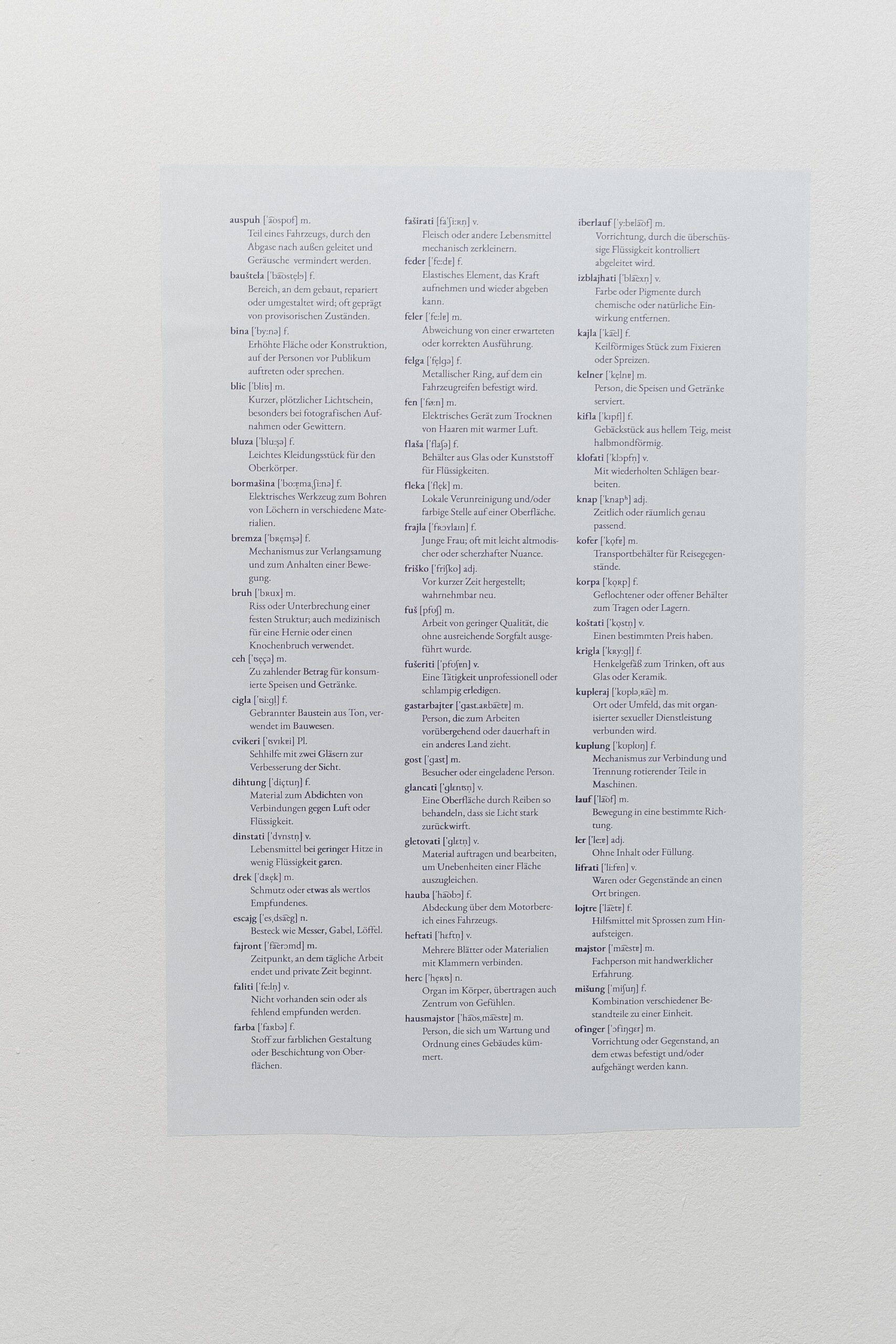
I usually call my work poetry, but what I'm really doing is "walking double like a ghost," which means I translate (myself (and others)), and when I translate (myself (and others)), then it's in a language I have, but which I cannot call my own. how spectral!
someone said that every word is a distillate of history, though I don't remember whose words those were. to write, then, means to be haunted, or more precisely, to allow yourself to be haunted, layer by layer, by parts of all the languages your language has ever wrapped itself around. some hauntings are more pleasant than others, and some of us walk heavily haunted.
one of my heavy hauntings is what we affectionately call "ours." "our" haunting cracked "our" language, cracked "our" rivers, "our" cities, "our" lands, "our" people, and in that crack I was born homeless and tongueless, because "our" haunting took my language and left me tongueless, and being without language is a difficult state for a poetess (let alone a poetess newly born).
so what does a poetess do whose language has been taken from her?
she finds a word.
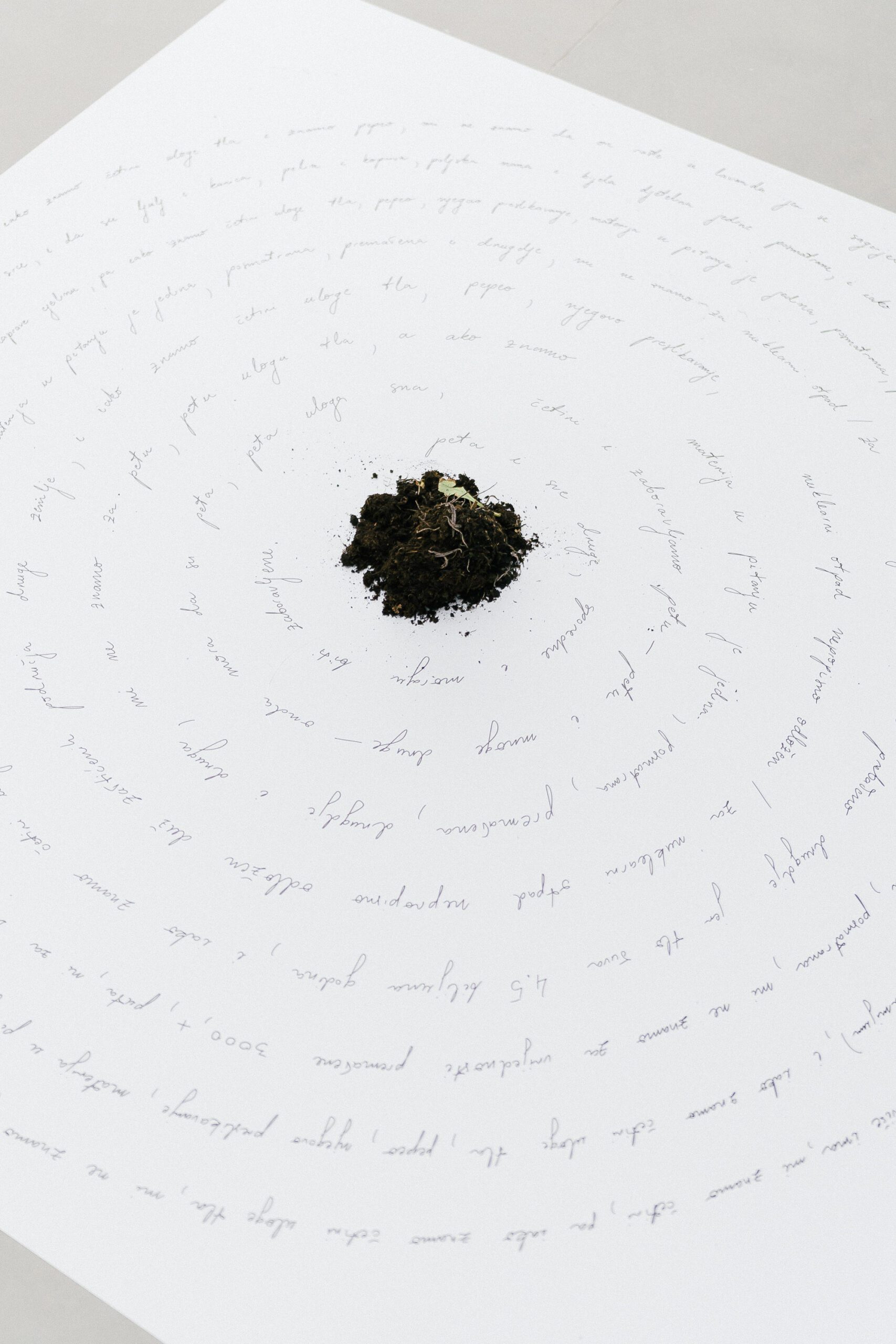
from that word she makes a word-cave.
she lays waste to her word-cave.
she sits in her empty word-cave.
she sits empty in her empty word-cave.
she rises and drapes the word-cave in panther skins,
spreads the skins, skin-we / skin-them, over her empty word-cave.
she gives chambers to her empty word-cave, she gives it chambers, vestibules, rooms,
she gives chambers, vestibules, cavities, rooms,
she gives chambers, vestibules, valves, rooms.
she gives it wildness,
wildness
she gives it wildness
and listens to its other
equally-other other and other
tone.
OBLOŽI RIJEČŠPILJU
panterkožama,
proširi ih, kožvamo kožtamo,
čulvamo čultamo,
daj im predvorja, komore, klapne
i divljine, parijetalno,
i osluškuj njihov drugi
equally-other other and other
tone.
–––
author: Paul Celan
translated by: Katarina Gotic Damiani
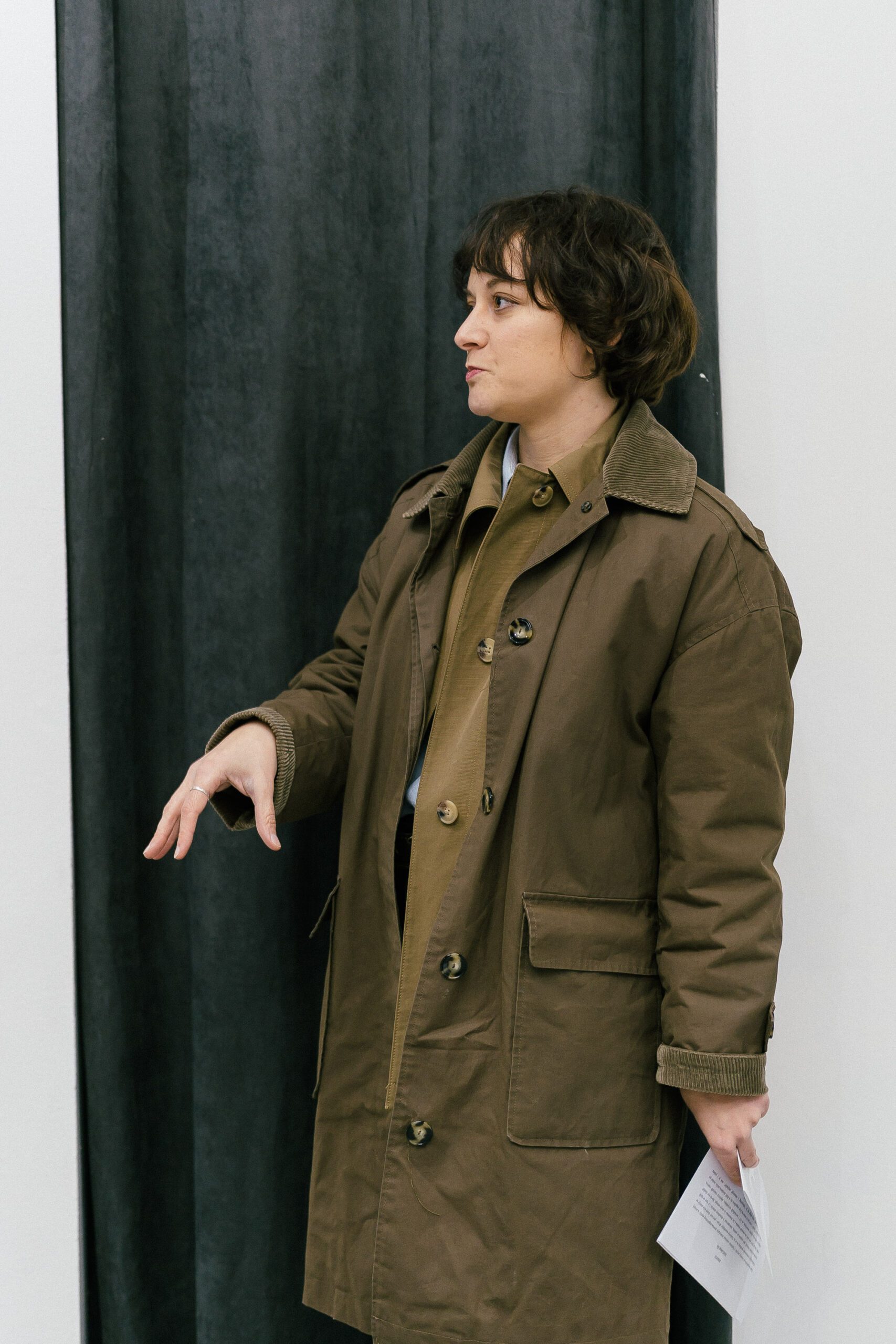
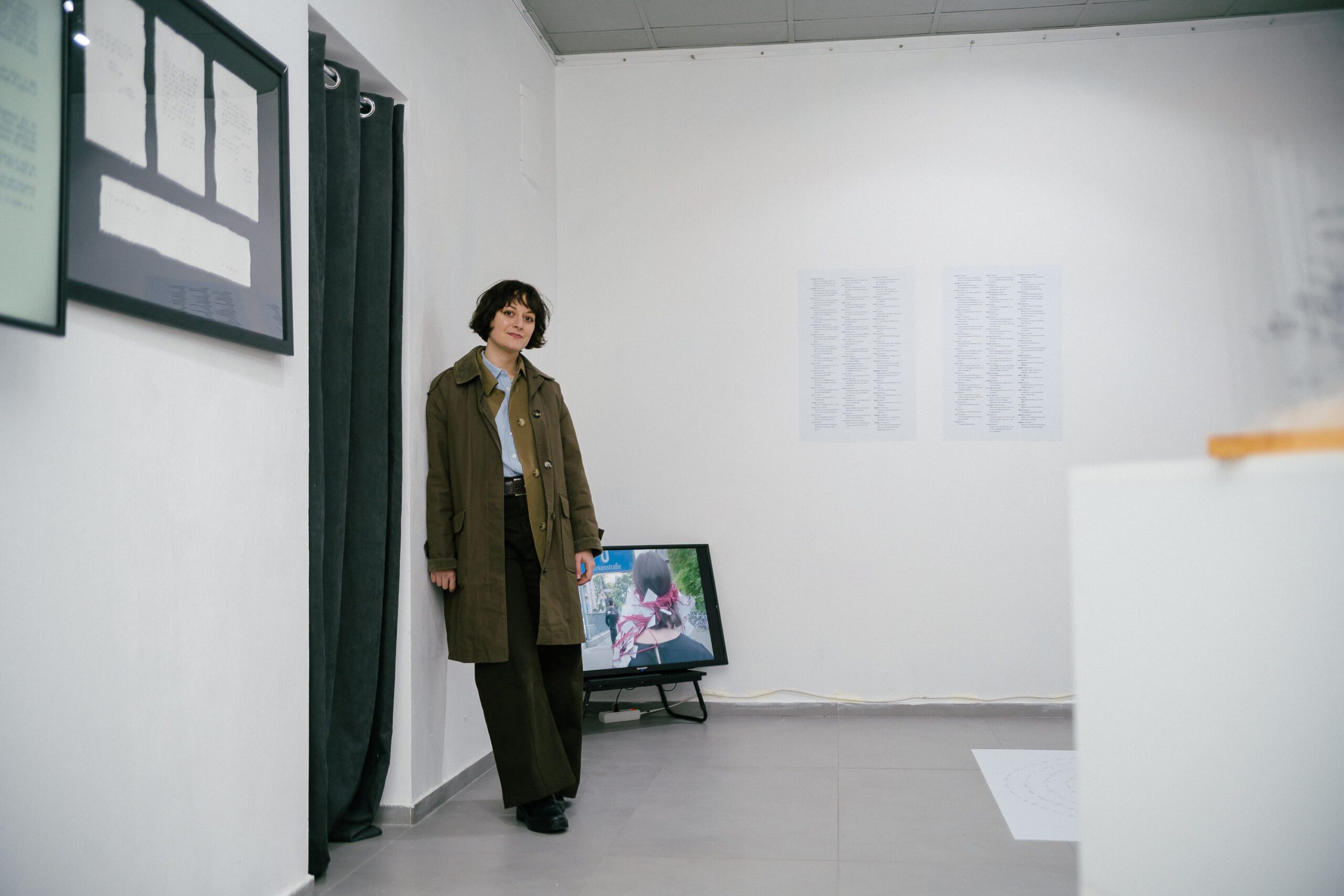
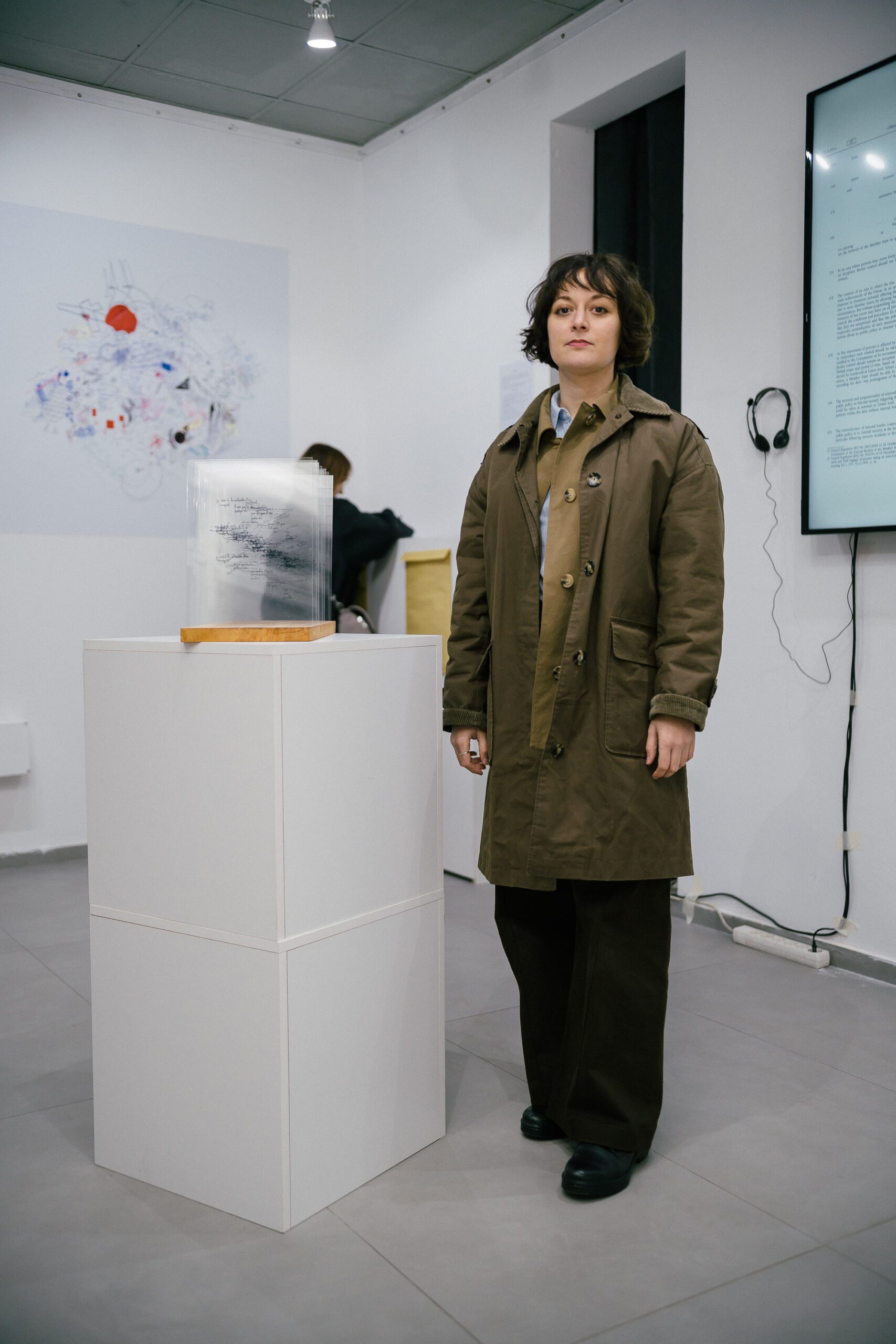
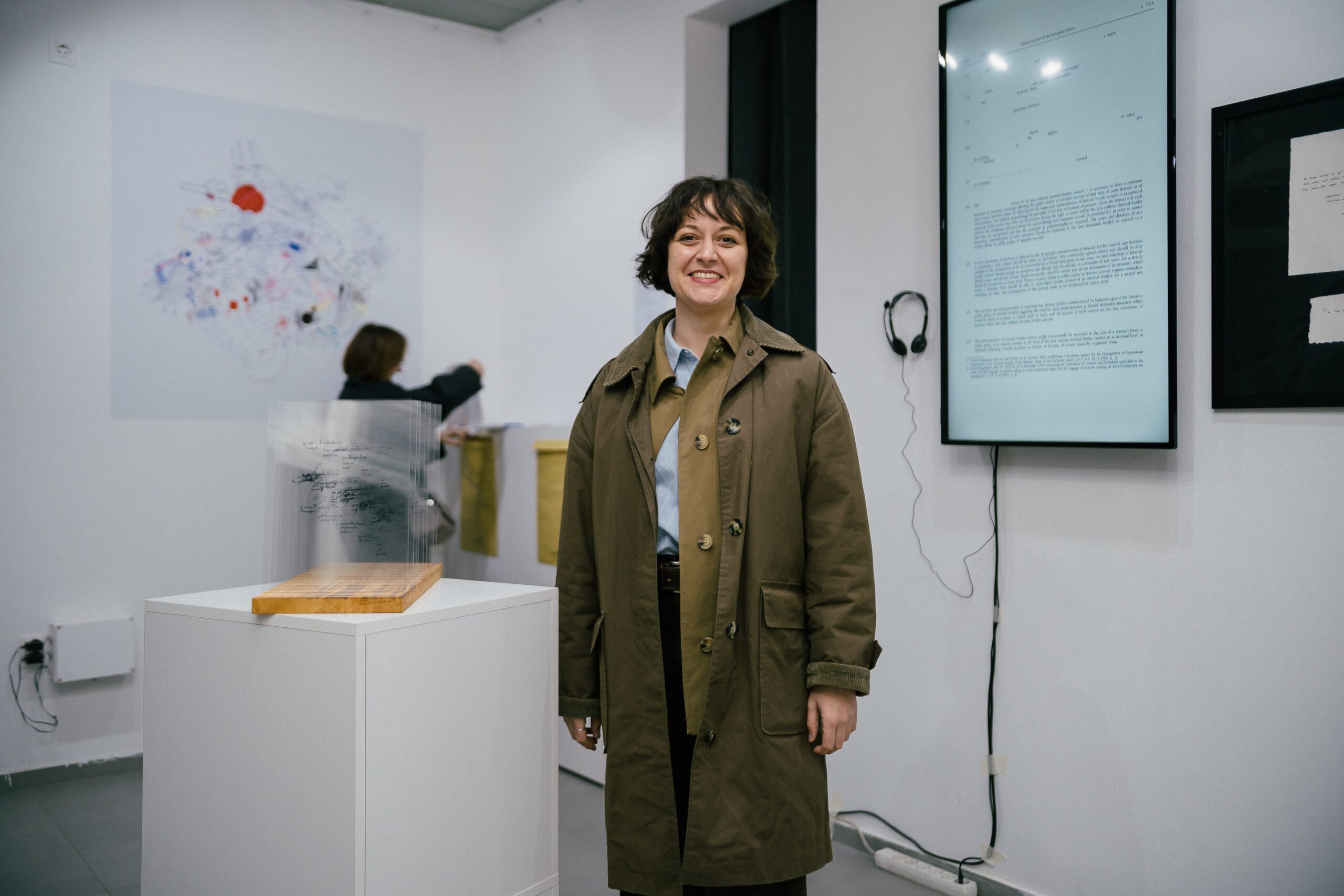
Katarina Gotic Damiani is a poetess whose practice encompasses experimental writing, translation, performance,
and visual art, treating language as a space of experimentation, negotiation, and material encounter.
She is the author of three poetry collections — we need a breathing tongue between (kith books, 2024), where am i in the
world? (2025), and leerlauf (parasitenpresse, 2026) — as well as a series of linguistic projects exploring translinguality,
fragmentation, and the loss of mother tongue. Her practice is supported by numerous scholarships and awards,
including the Scholarship for Non-German Literature (2023), Research Scholarship for Translators (2024), and
Scholarship for Projects and Reading Series (2025) from the Berlin Senate. She is currently a doctoral candidate in
artistic research at the University of Applied Arts Vienna.