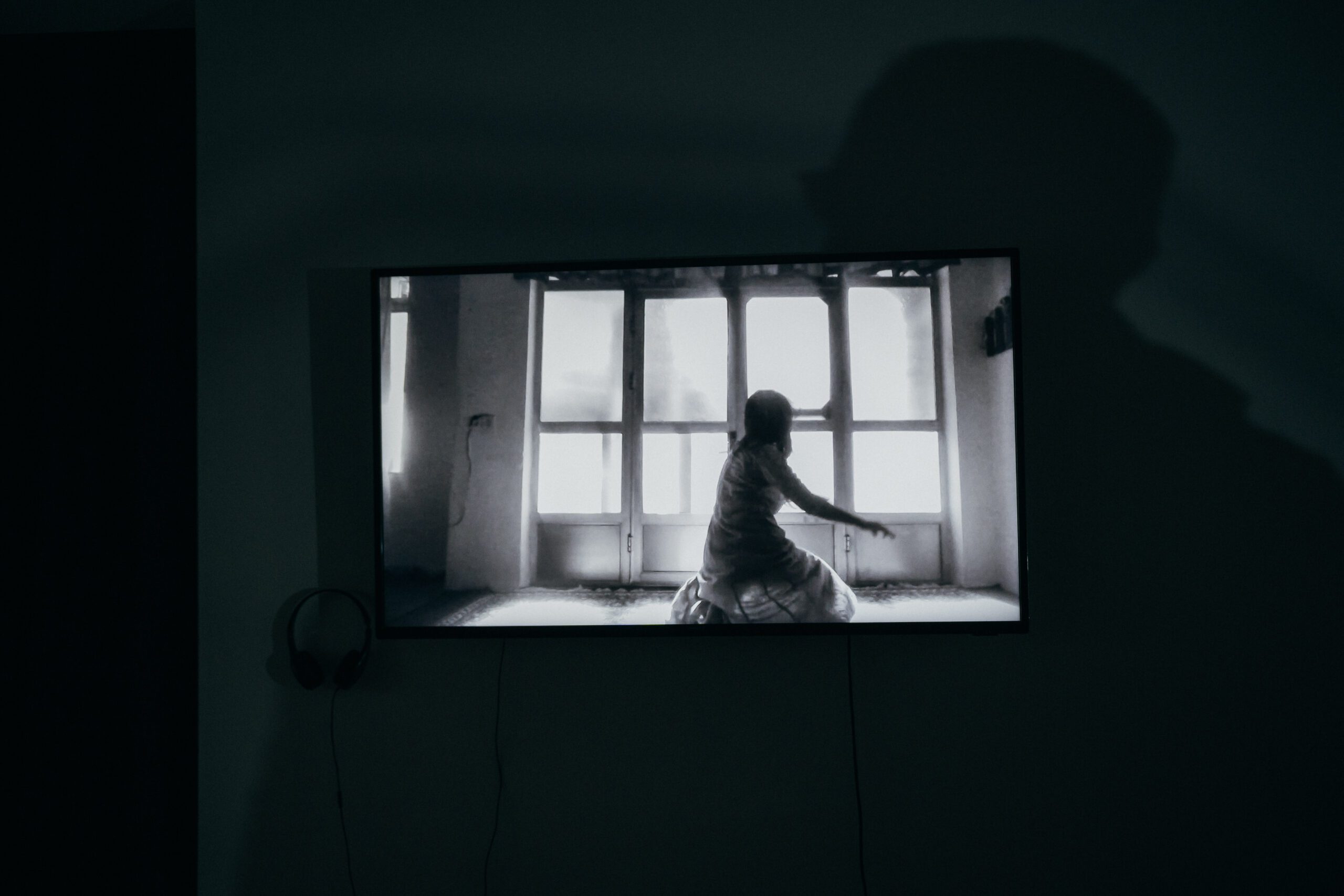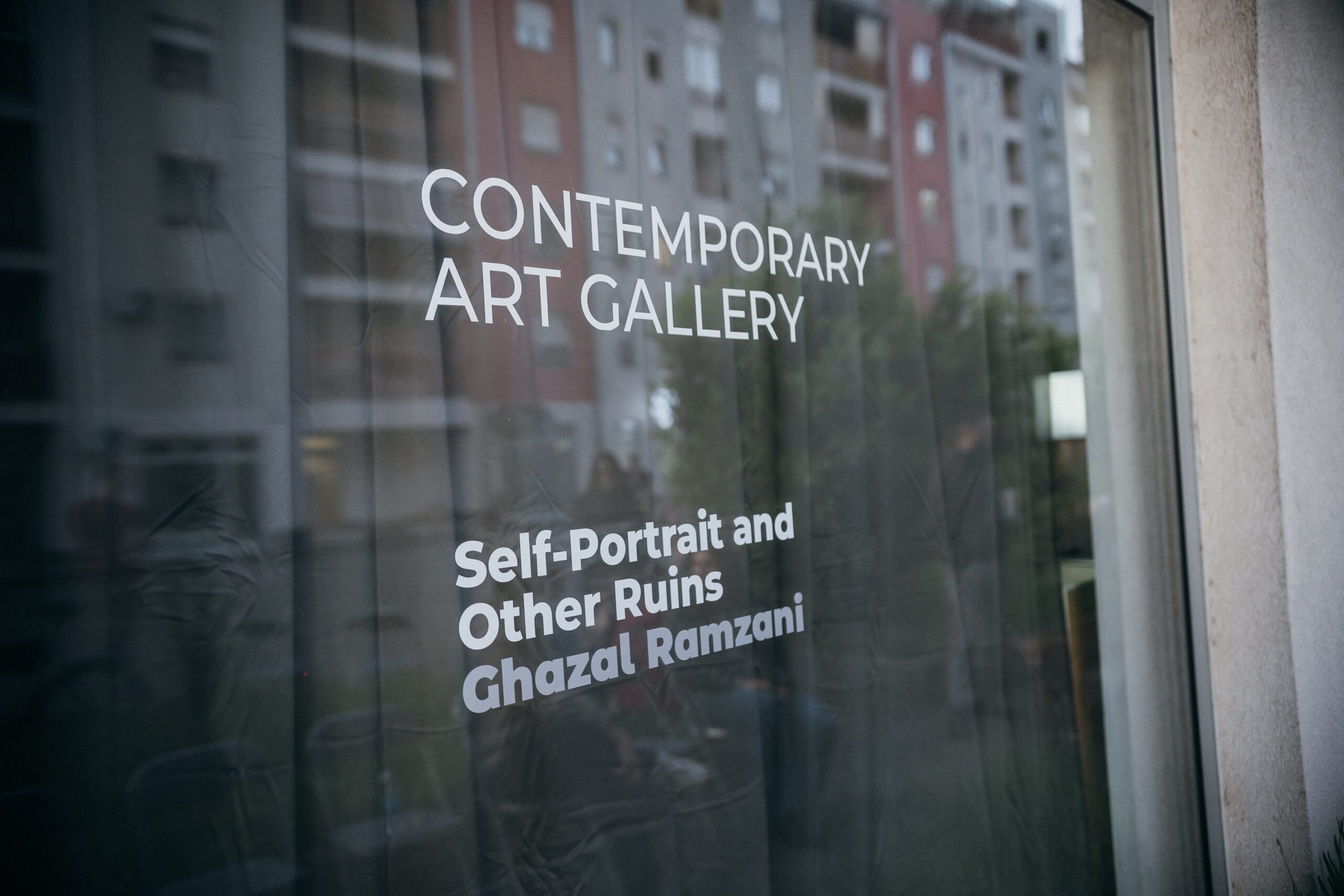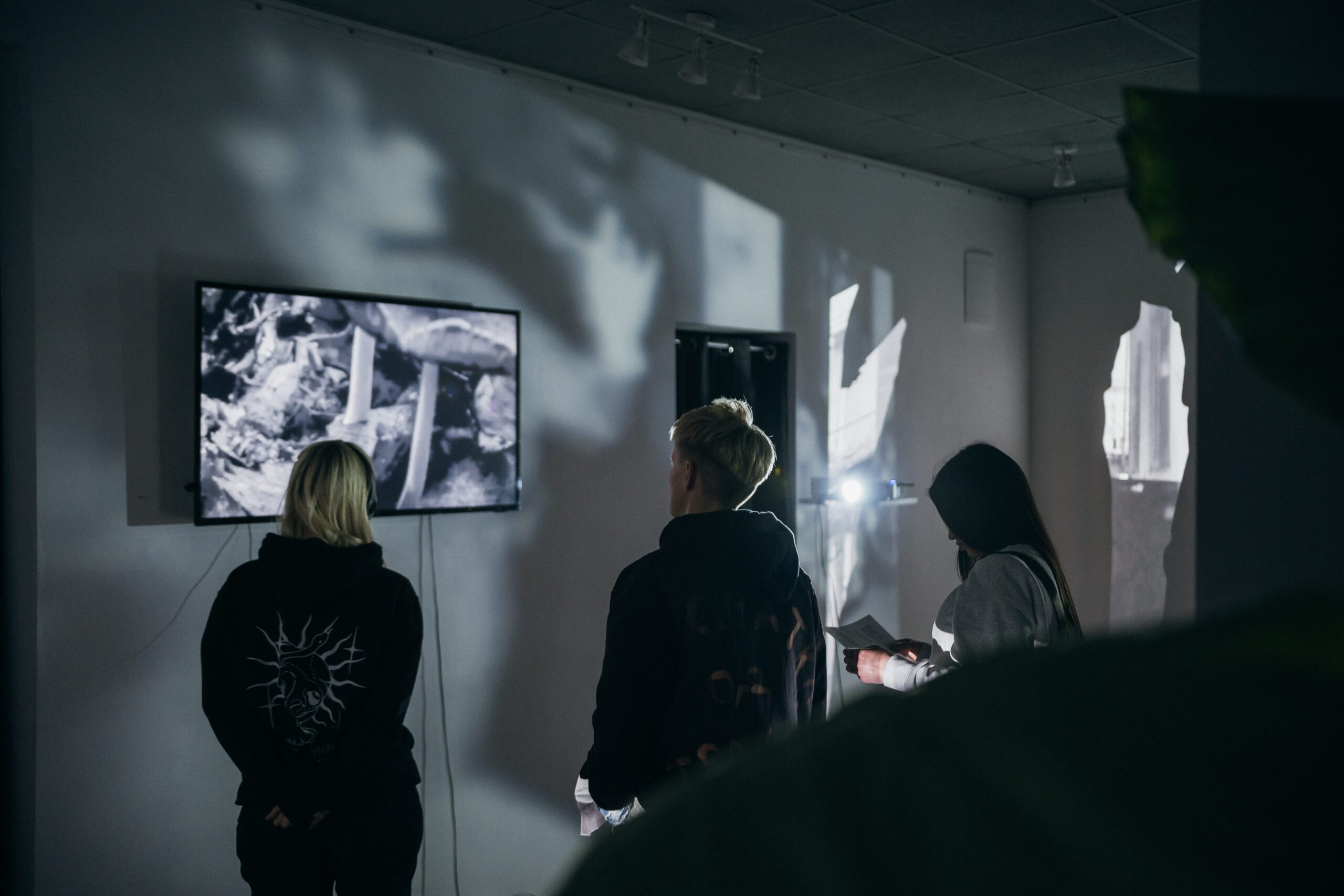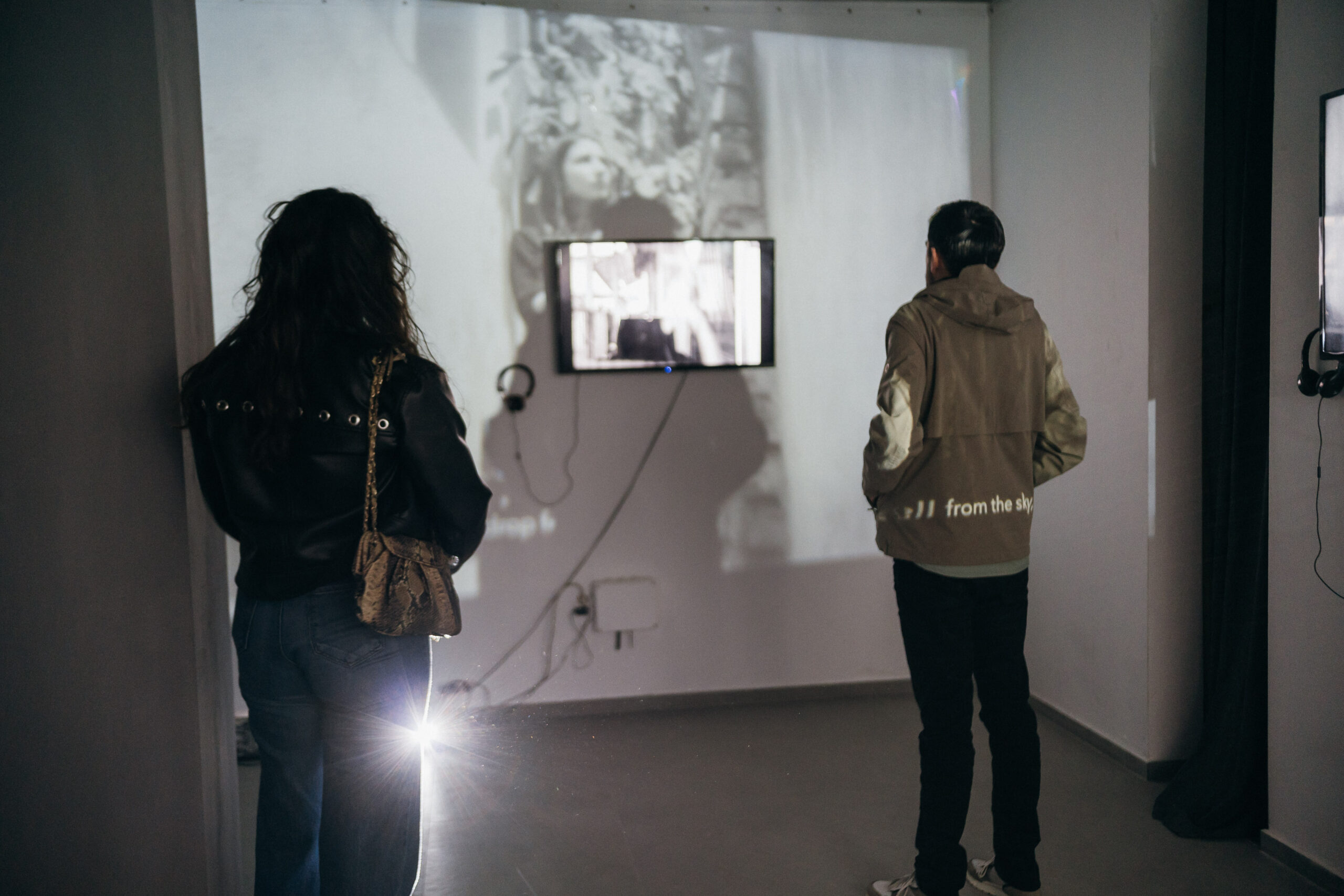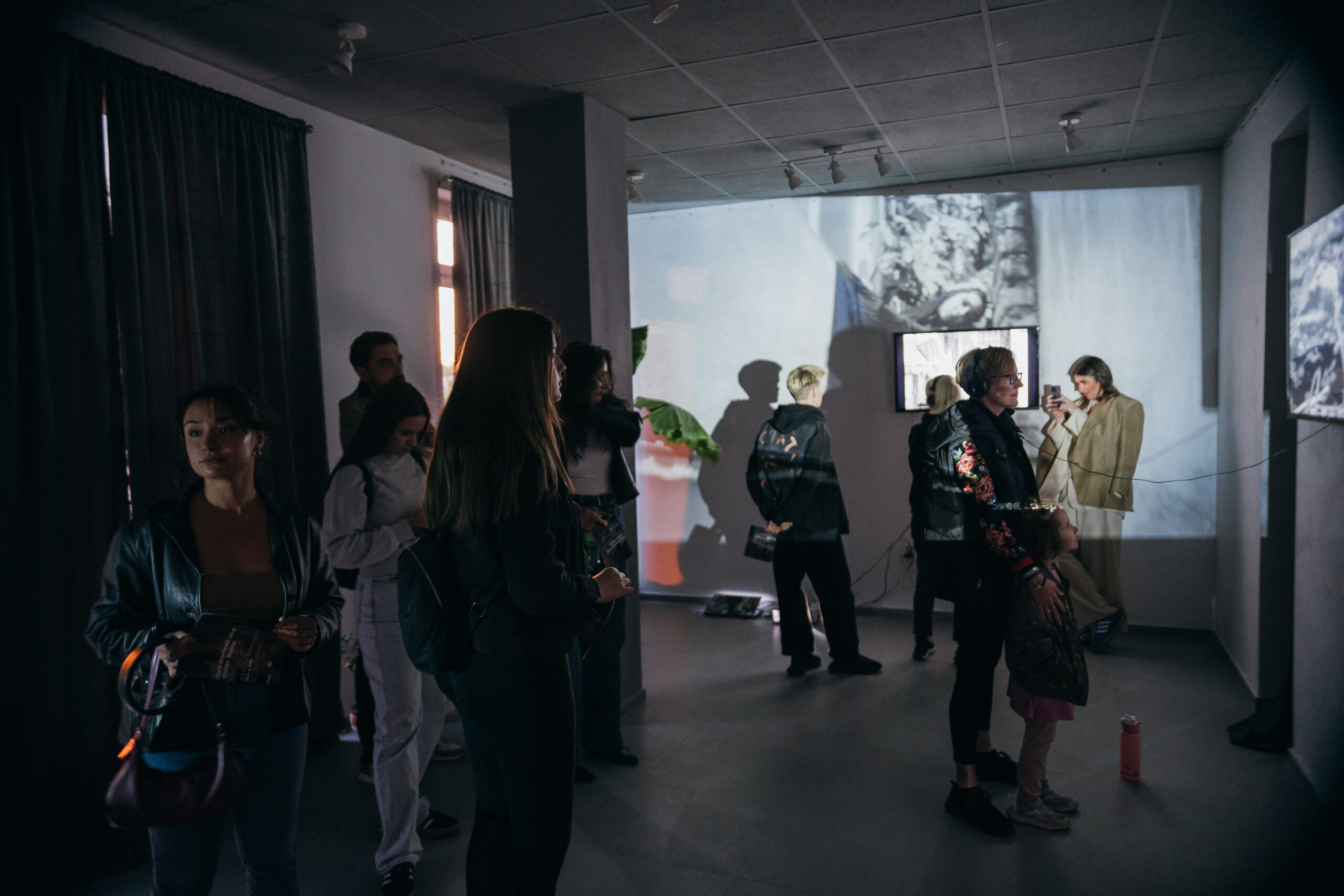
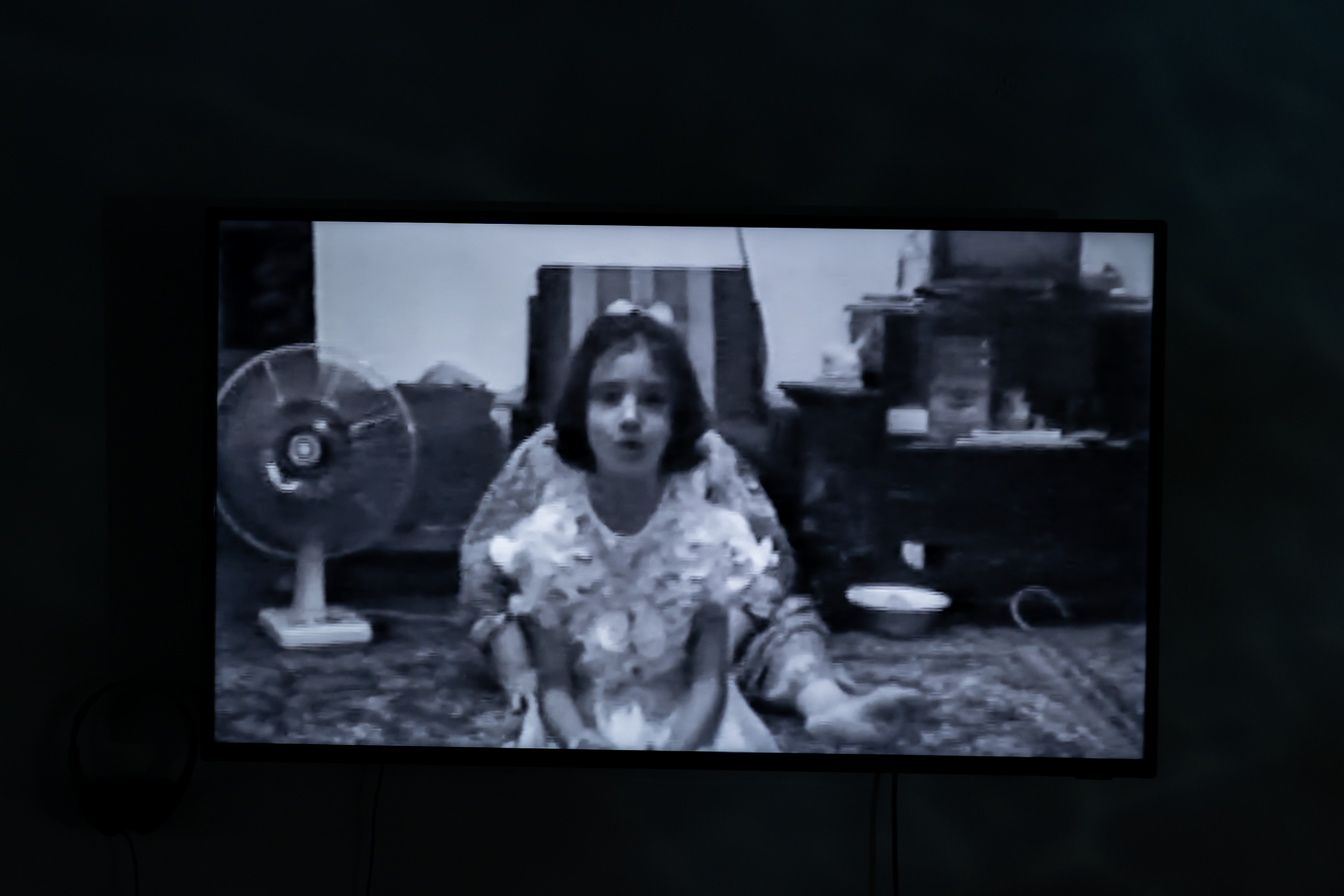
In Self-Portrait and Other Ruins, Ghazal Ramzani inscribes her body into a genealogical continuum of female memory, treating it as a living architecture where the sedimented traumas of exile, loss, and transgenerational resistance unfold. The film operates as a visually poetic, choreographed essay in which dance is not mere expression but an epistemological mechanism—a form of knowledge that functions beyond language.
The return to her ancestral home, the house of her childhood, is prompted by the loss of foundation—the death of her grandmother, a figure embodying homeland, earth. This return becomes an entry into the ruined topographies of memory. The home represents the bedrock of emotion, which we often forget to feel as we move—again and again. Self- Portrait and Other Ruins is an archaeological act! This is not about nostalgia. Dance!
Through the corridors of the family house, it is not the subject of identity that passes, but the bearer of unspoken and suppressed histories. Here, the archive is not a collection of objects but the vibration of movement—a porous boundary between the personal and the collective. Ghazal Ramzani, through choreography, destabilizes temporality. The past is not behind; it resides beneath the skin. Her body becomes a site of enacting a non-localized past—social specters that haunt the present. The dancer, eyes closed, does not perform memory; she inhabits it. In this space, movement becomes an act of possession but also of emancipation. For precisely where the languages of the state, patriarchy, and hegemony fail, the body speaks—as archive, as affect, as aphorism.
Self-Portrait and Other Ruins must also be viewed as a critique of representation. Ramzani rejects the spectacle of pain and the aestheticization of trauma. She establishes a kinetic politics of memory through a method where the past is not depicted but re-enacted through the body. Her work is a form of feminist intervention, wherein the genealogy of female working-class experience is not written through narrative but through rhythm, pause, silence, contact with the ground.
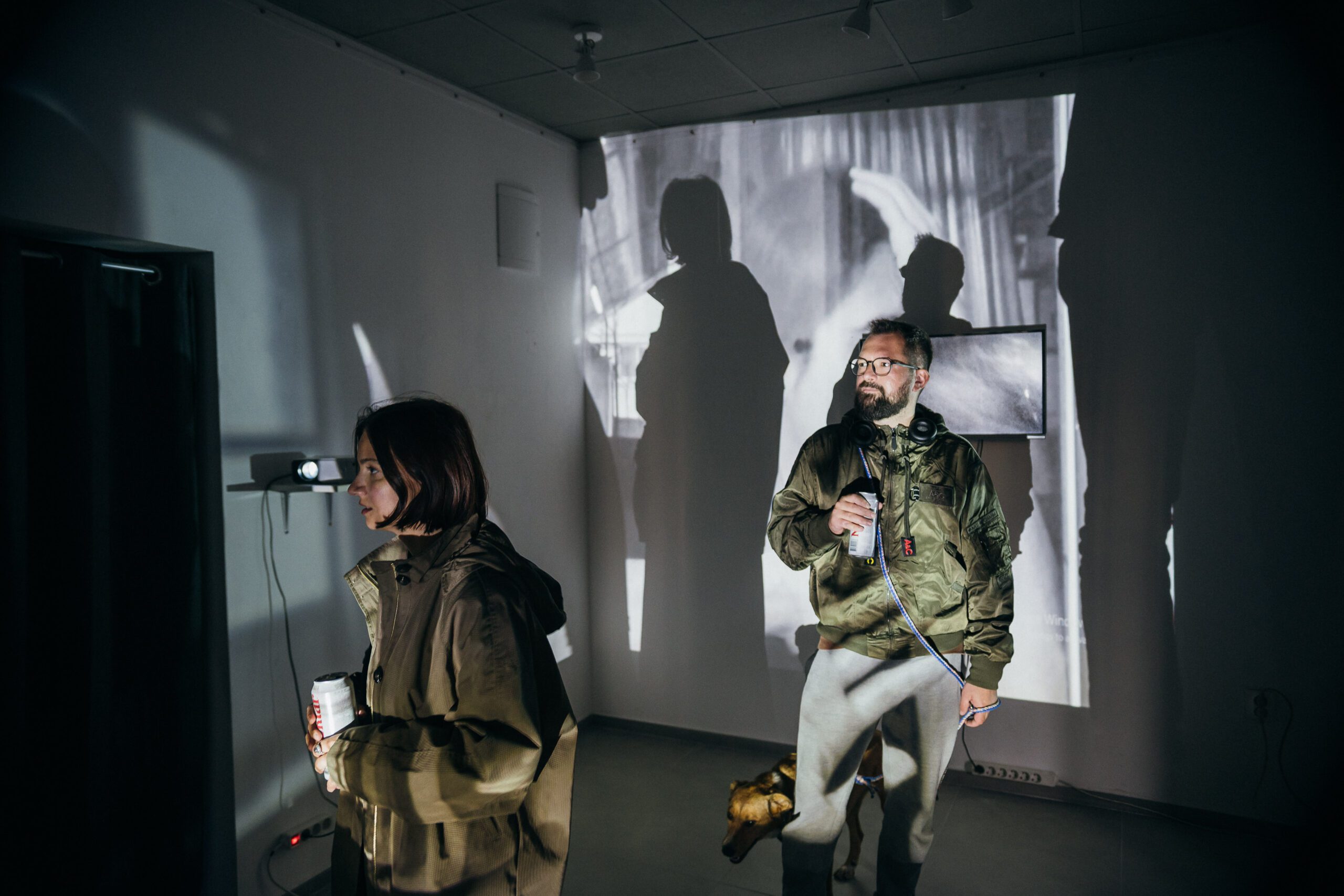
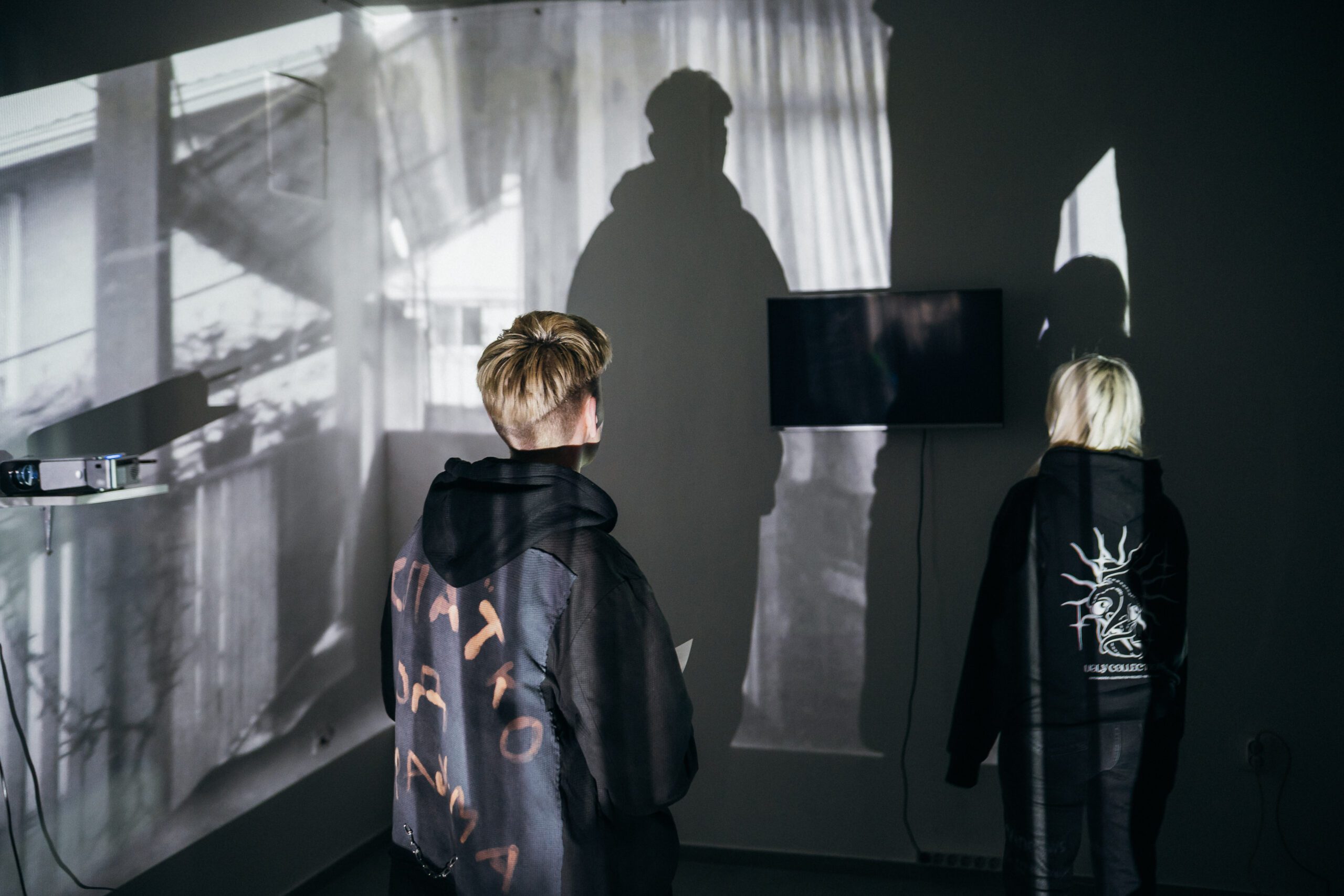
In the spirit of deconstructing postcolonial and exilic narratives, Self-Portrait and Other Ruins opens a space for contemplating memory not as a data archive but as a fragmentary body—a body fractured by history. This dance is not confined within a choreographic system; it occurs in liminal zones. As the audience enters the space, they step into a unique world of thoughts, memories, and identities that pull, erode, and stretch them. There is a strange dignity here. A heavy poetics. A rebirth.
It does not strive for wholeness but for points of rupture. Therefore—be silent and dance!
Text: Isidora Brankovic
Ghazal Ramzani is an Iranian, Berlin-based interdisciplinary artist, Kathak dancer, choreographer, facilitator, and researcher working at the intersection of decolonial practice and speculative choreography across stage and film. Her work investigates erased movement histories, develops counter-techniques grounded in marginalized genealogies, and cultivates collective authorship within embodied practice. She is the founder of Kathak Dance School Berlin and co-founder of Kalatva Collective, and collaborates internationally across artistic and academic contexts. Her debut dance film Self-Portrait and Other Ruins was selected for numerous international dance film festivals, including the Cannes Dance Film Festival and Multiplié Dance Film Festival in Trondheim. She has been an artist in residence at Alfred University (NY), received a research grant from the Ionian University (Greece), and her work has been supported by Spore Initiative, the Goethe-Institut, and the Kemmler Foundation. Ghazal holds an MFA in Contemporary Performative Arts (Gothenburg), a Diploma in Kathak (New Delhi), and a BA in Philosophy / Arts / Media.