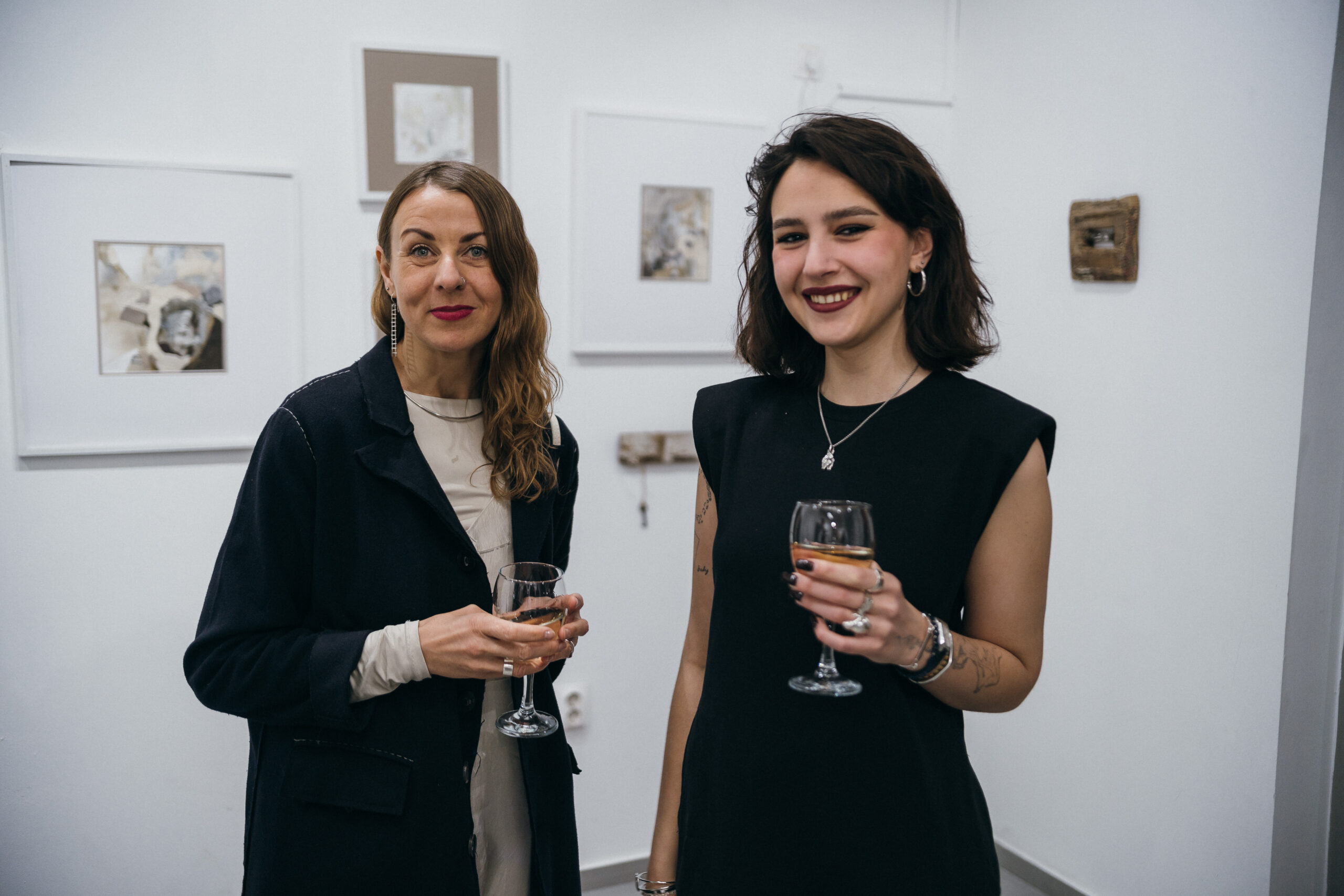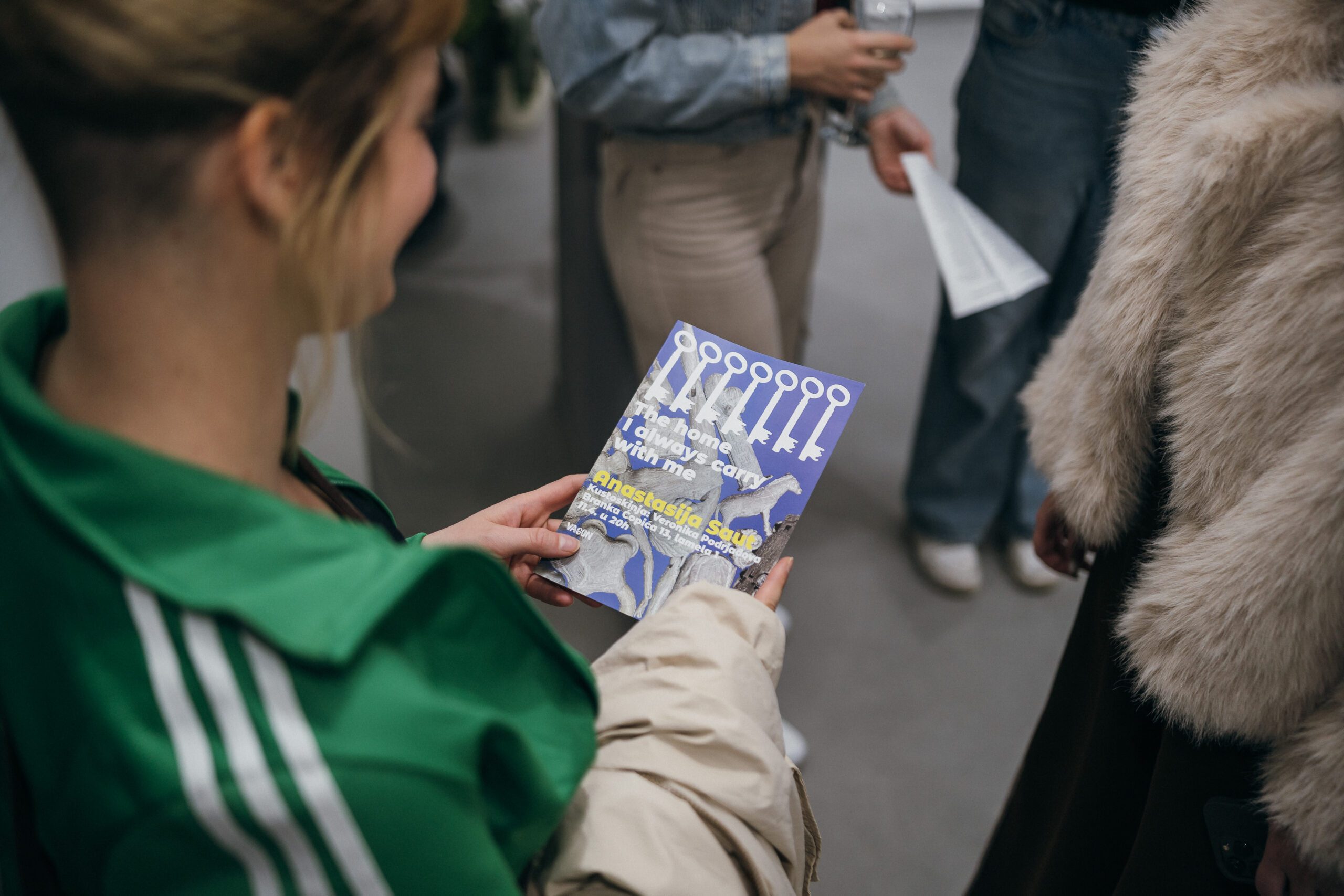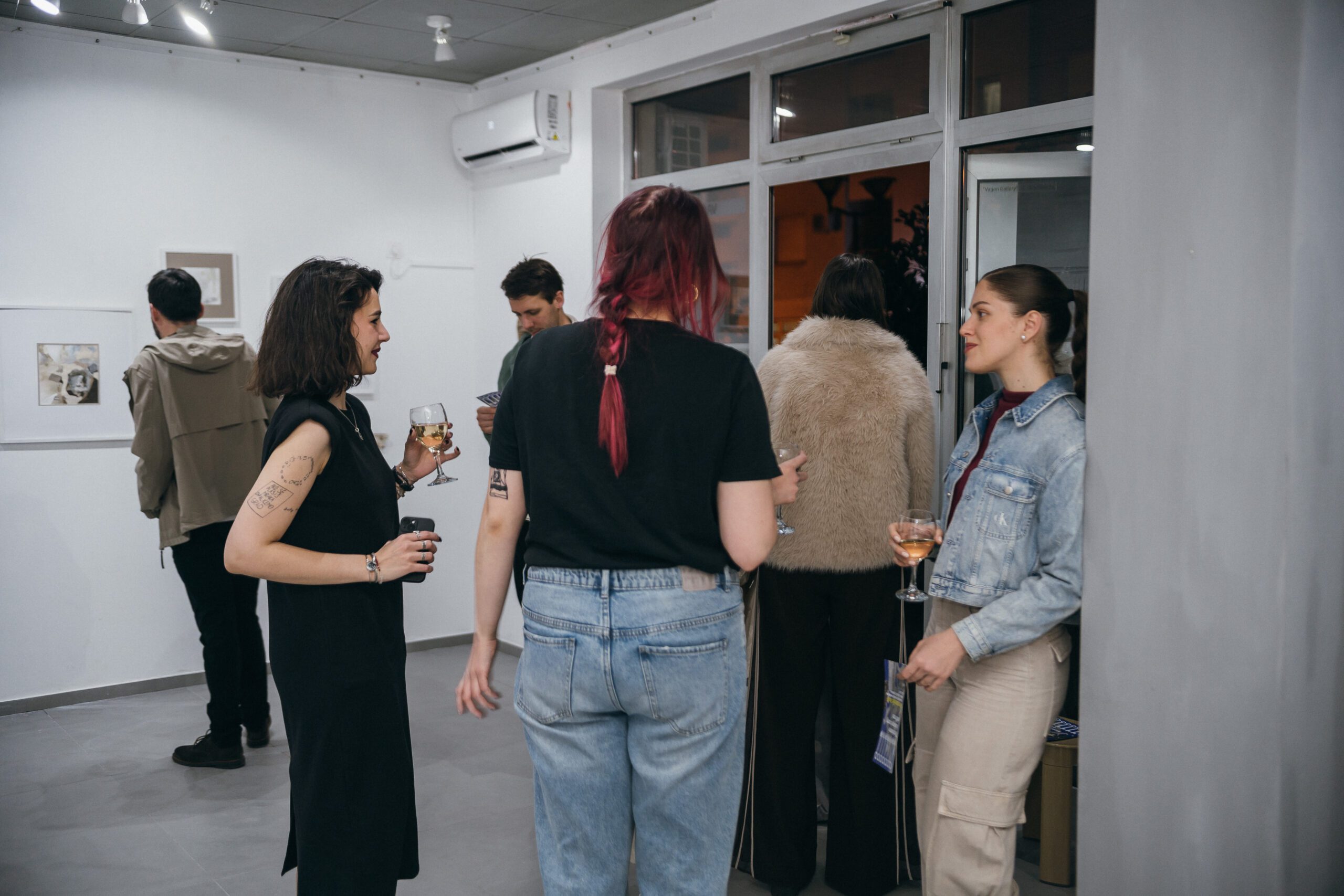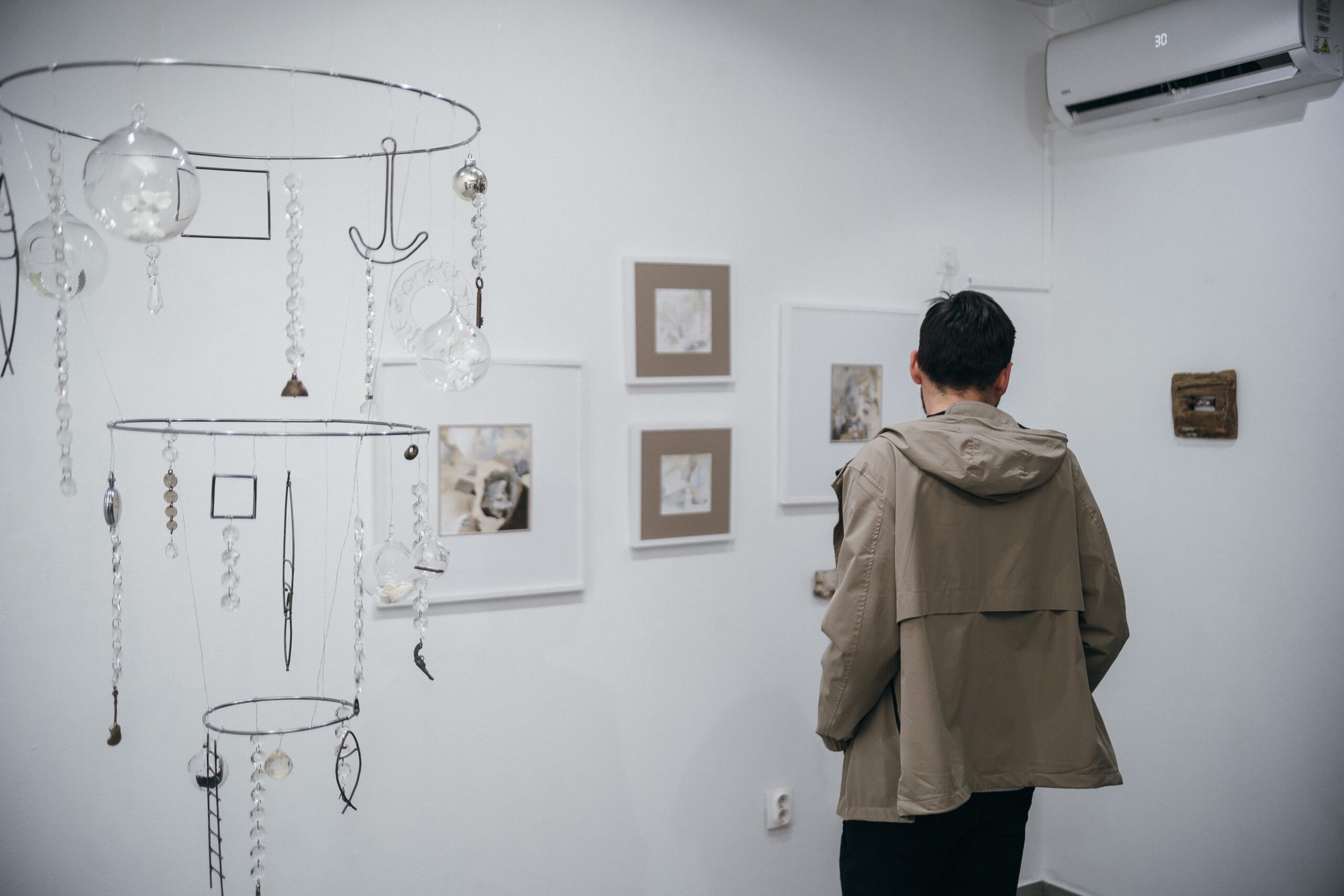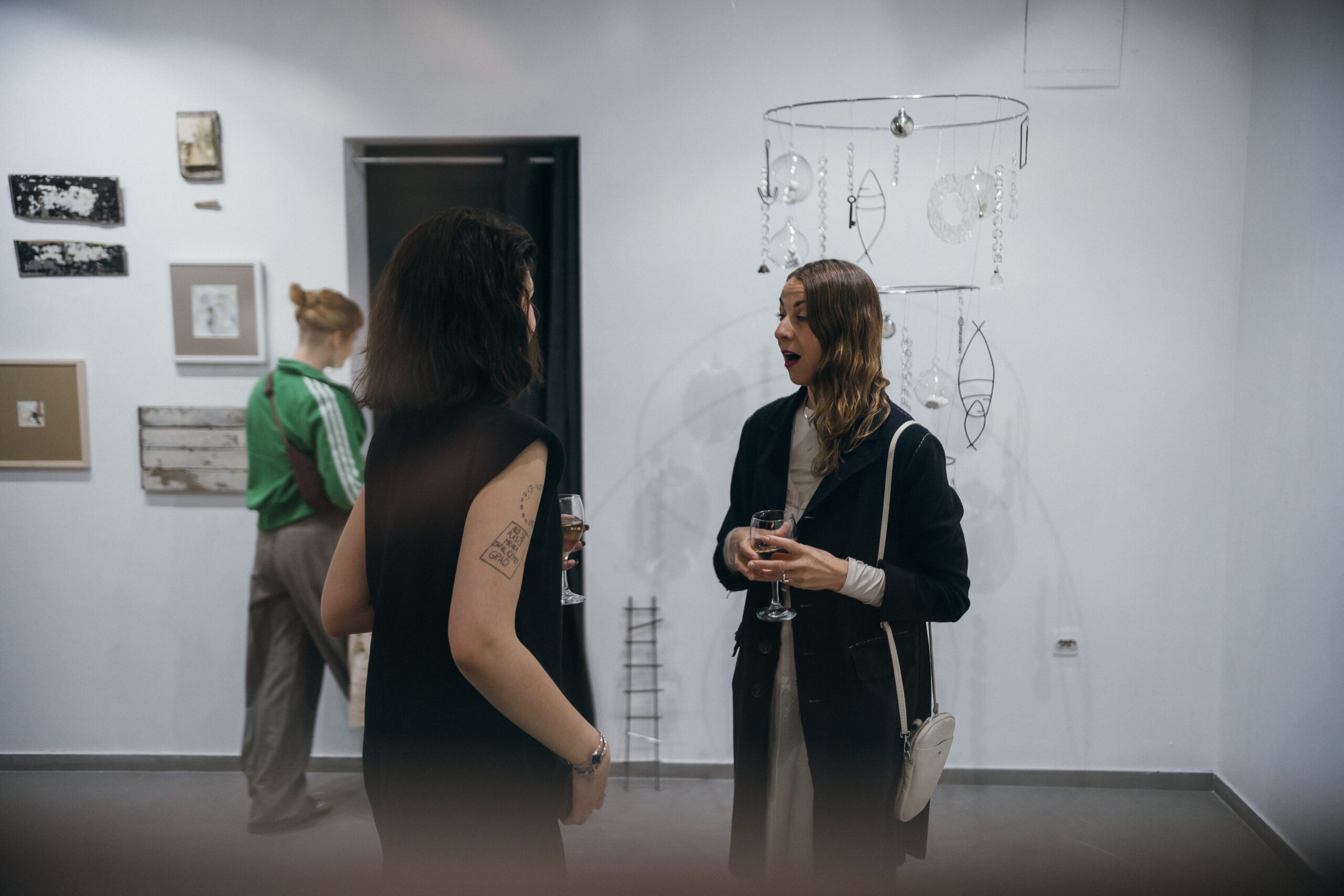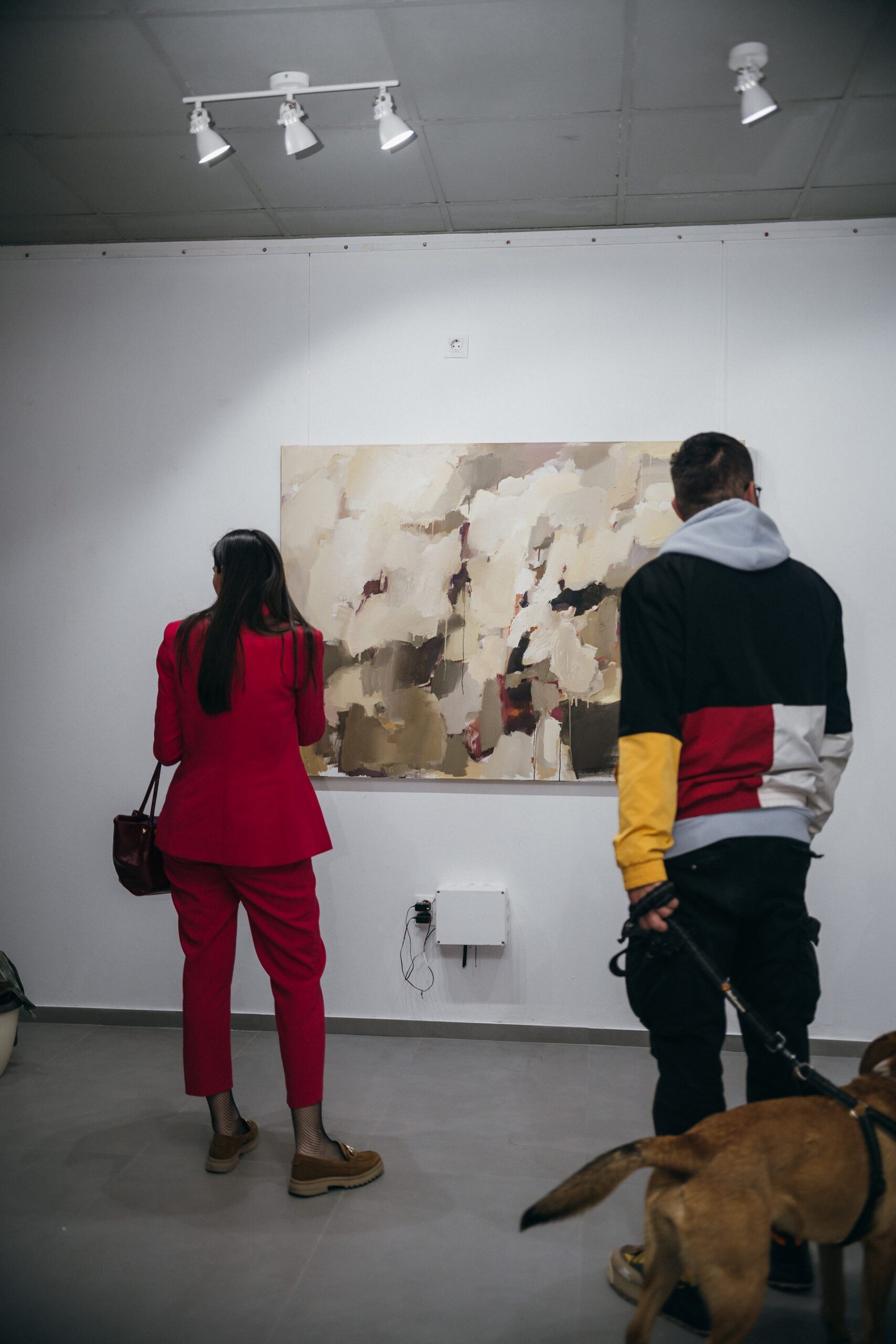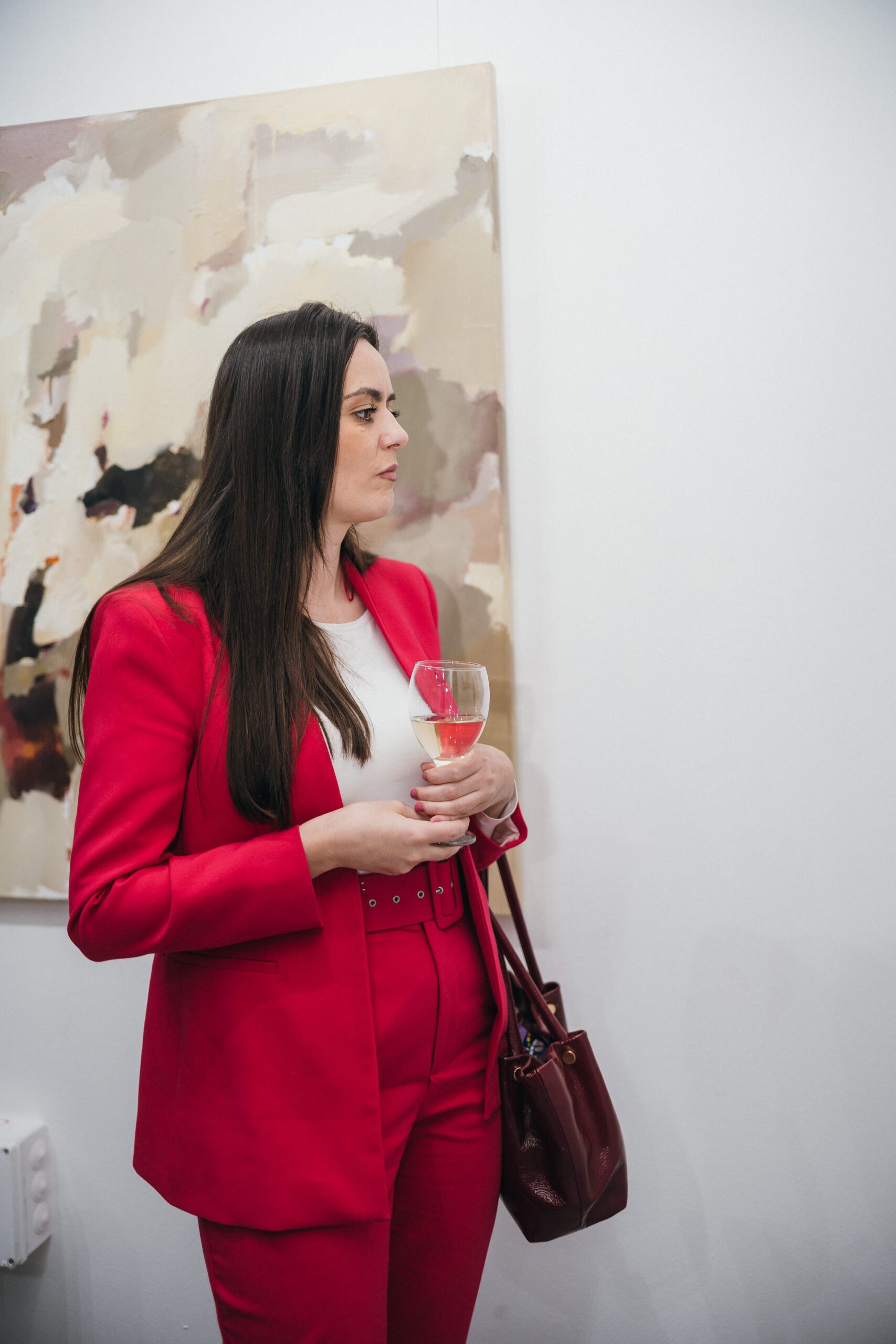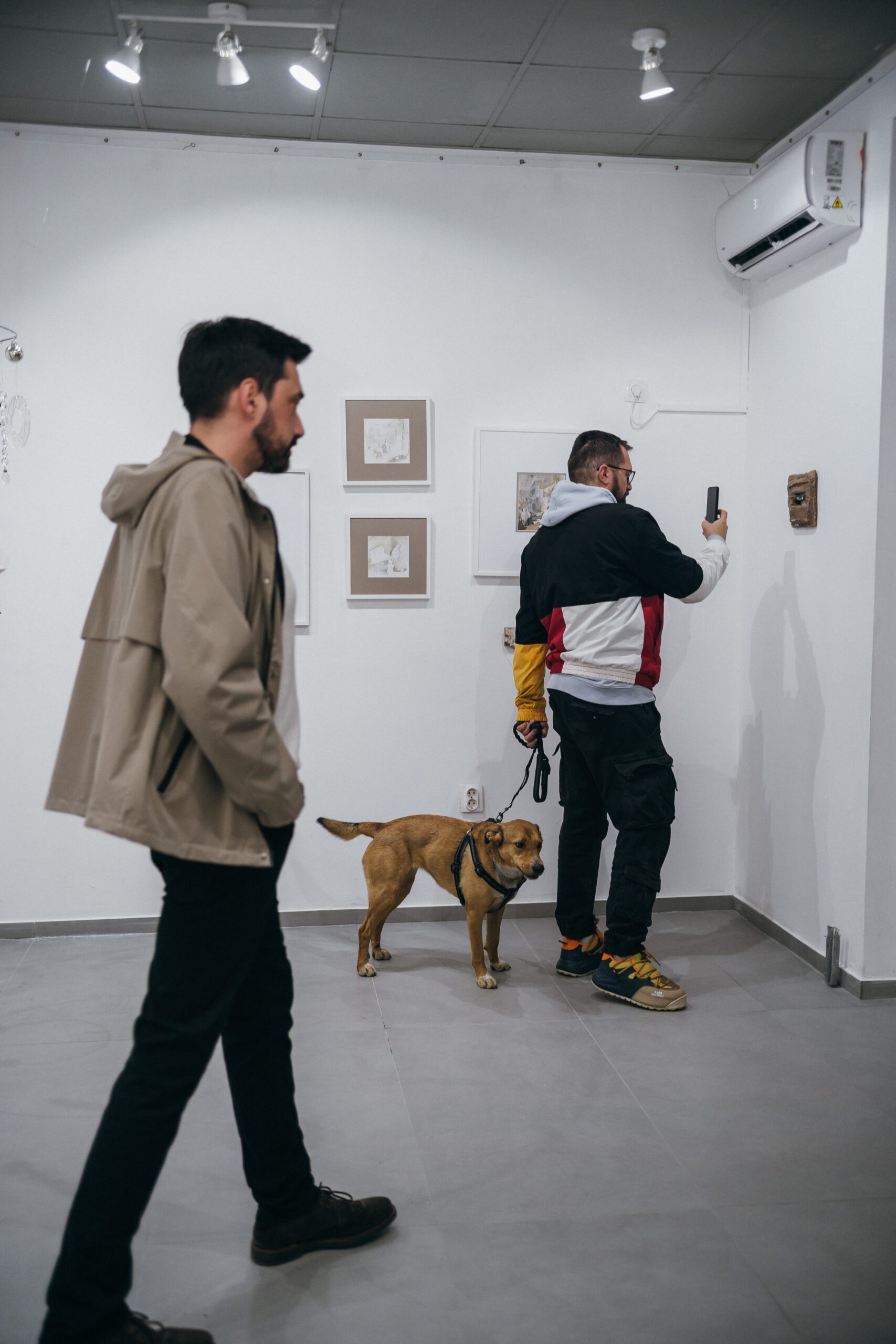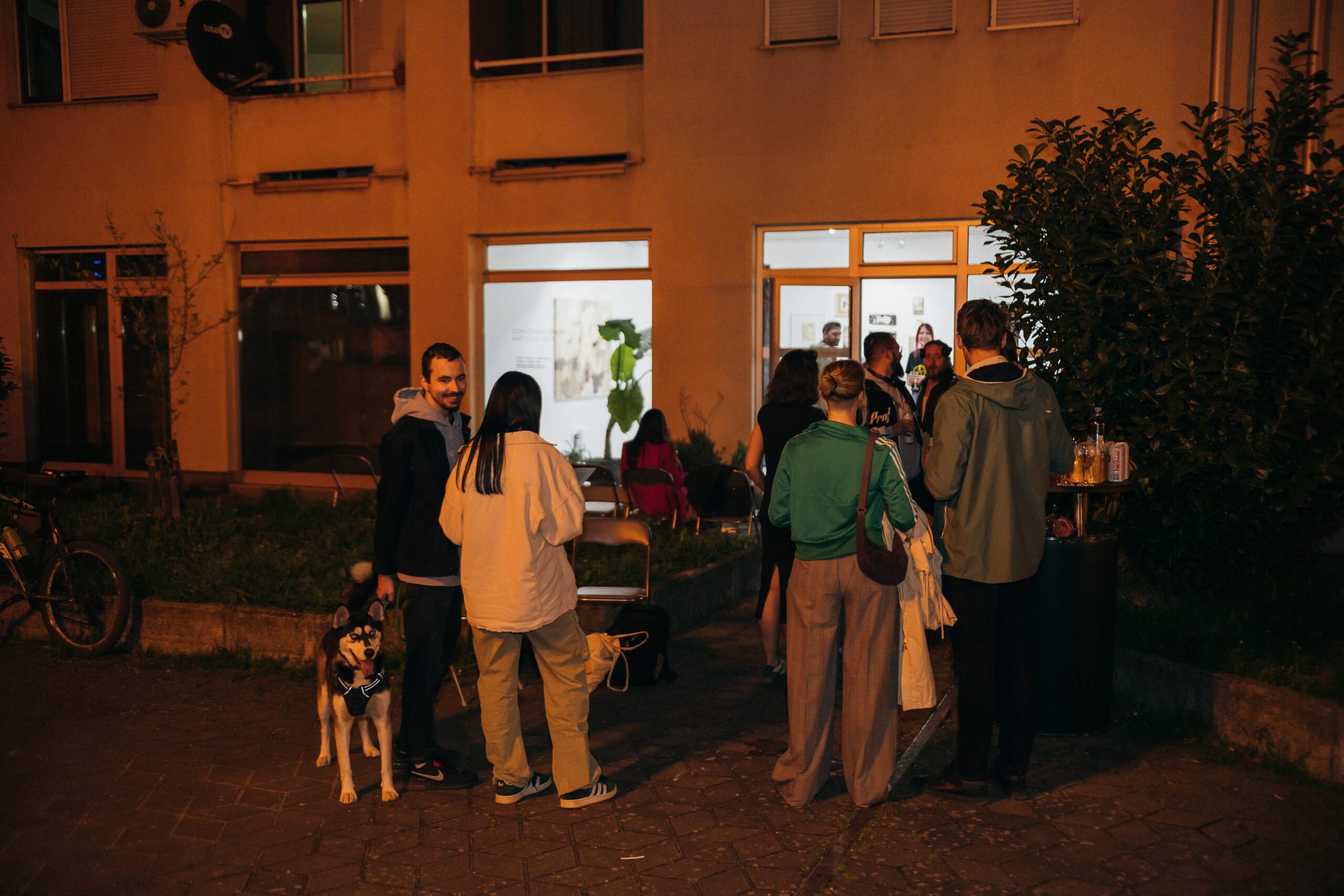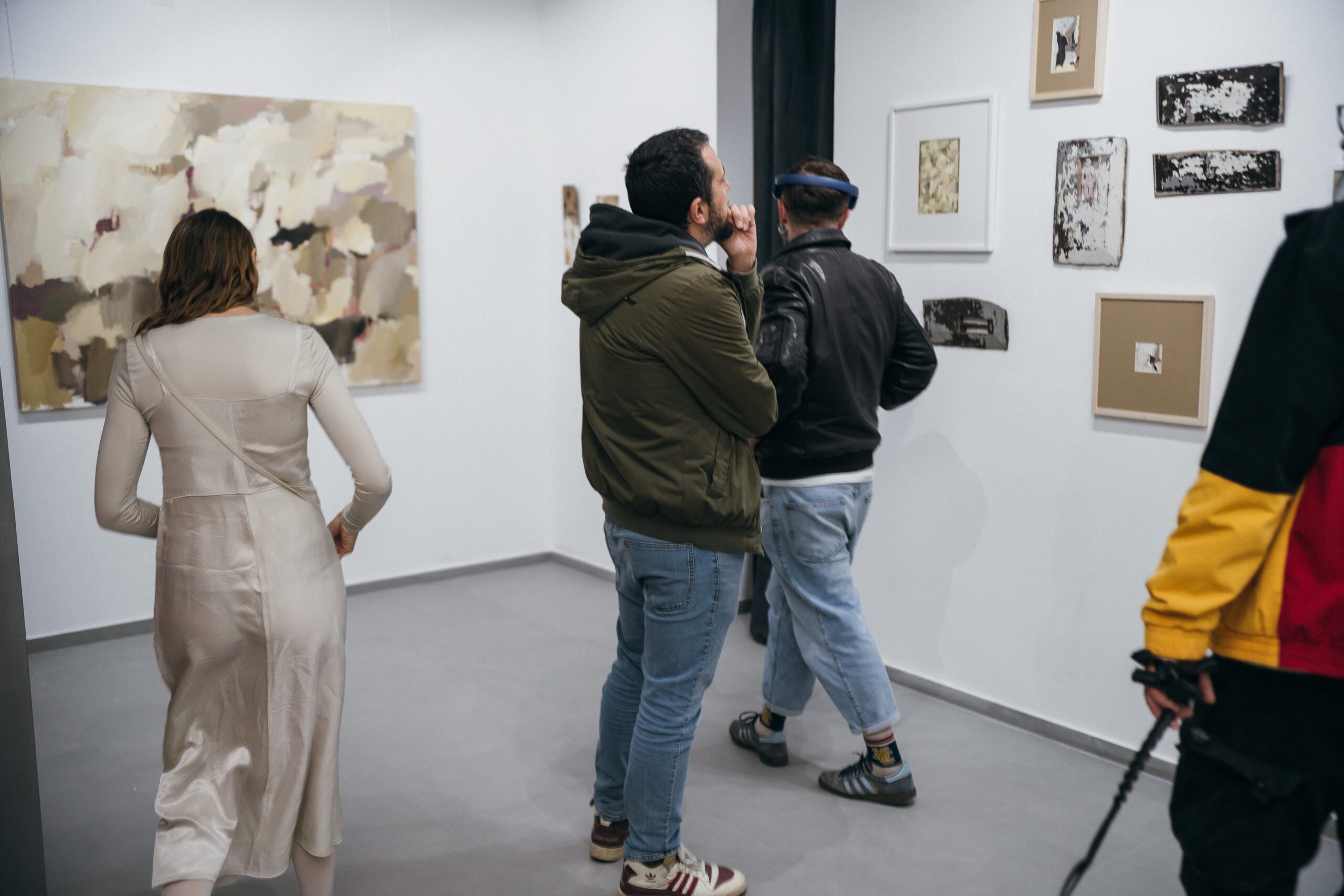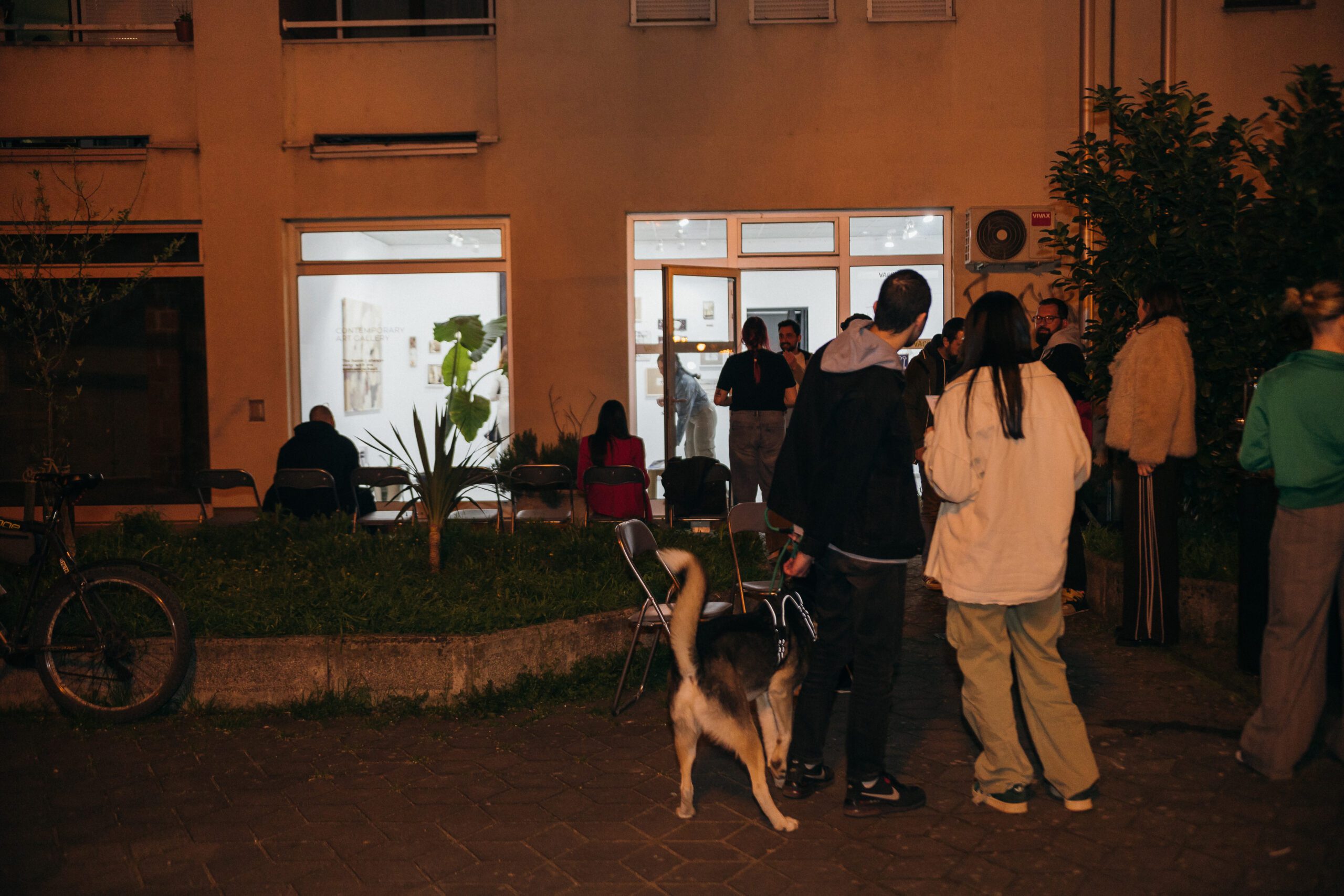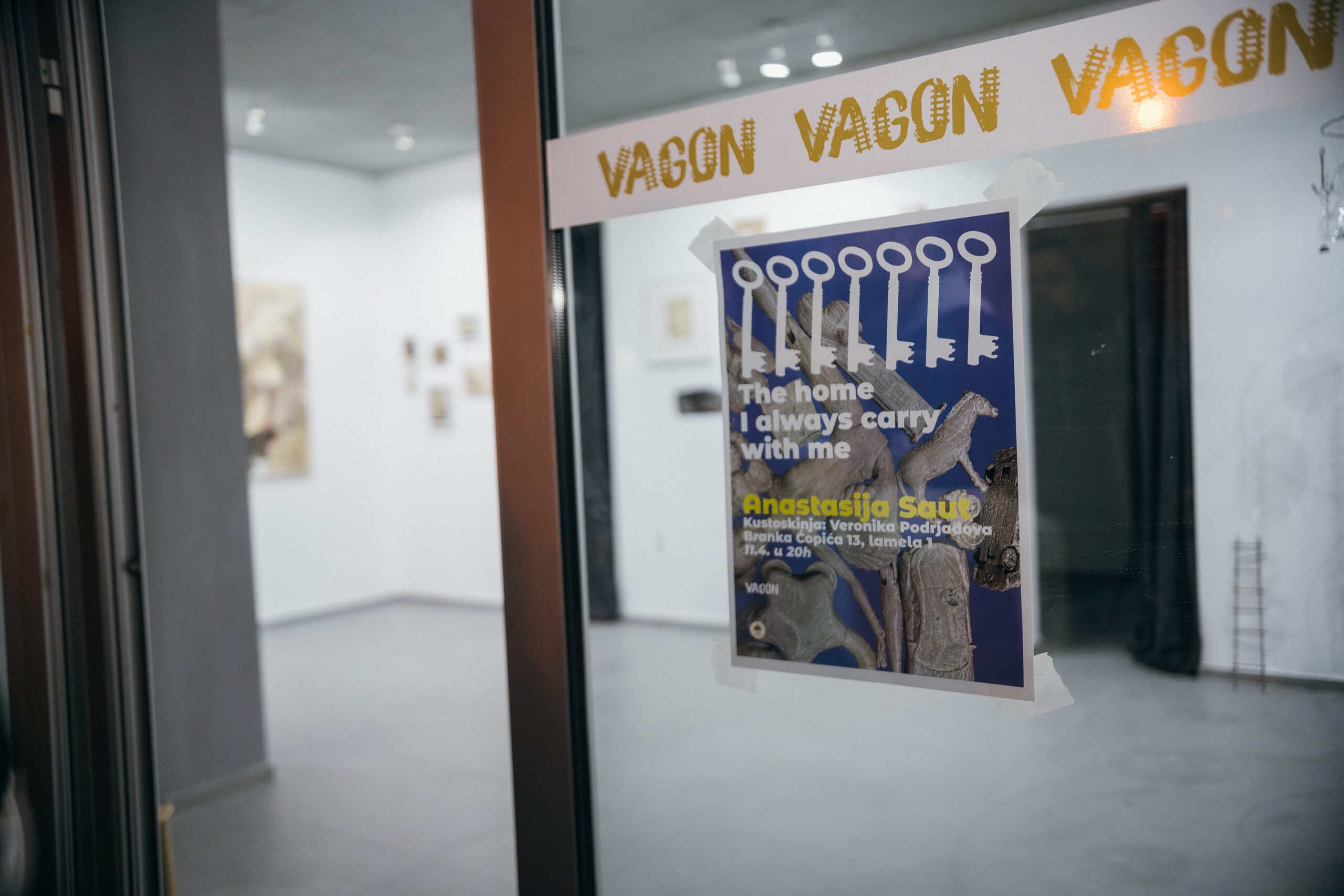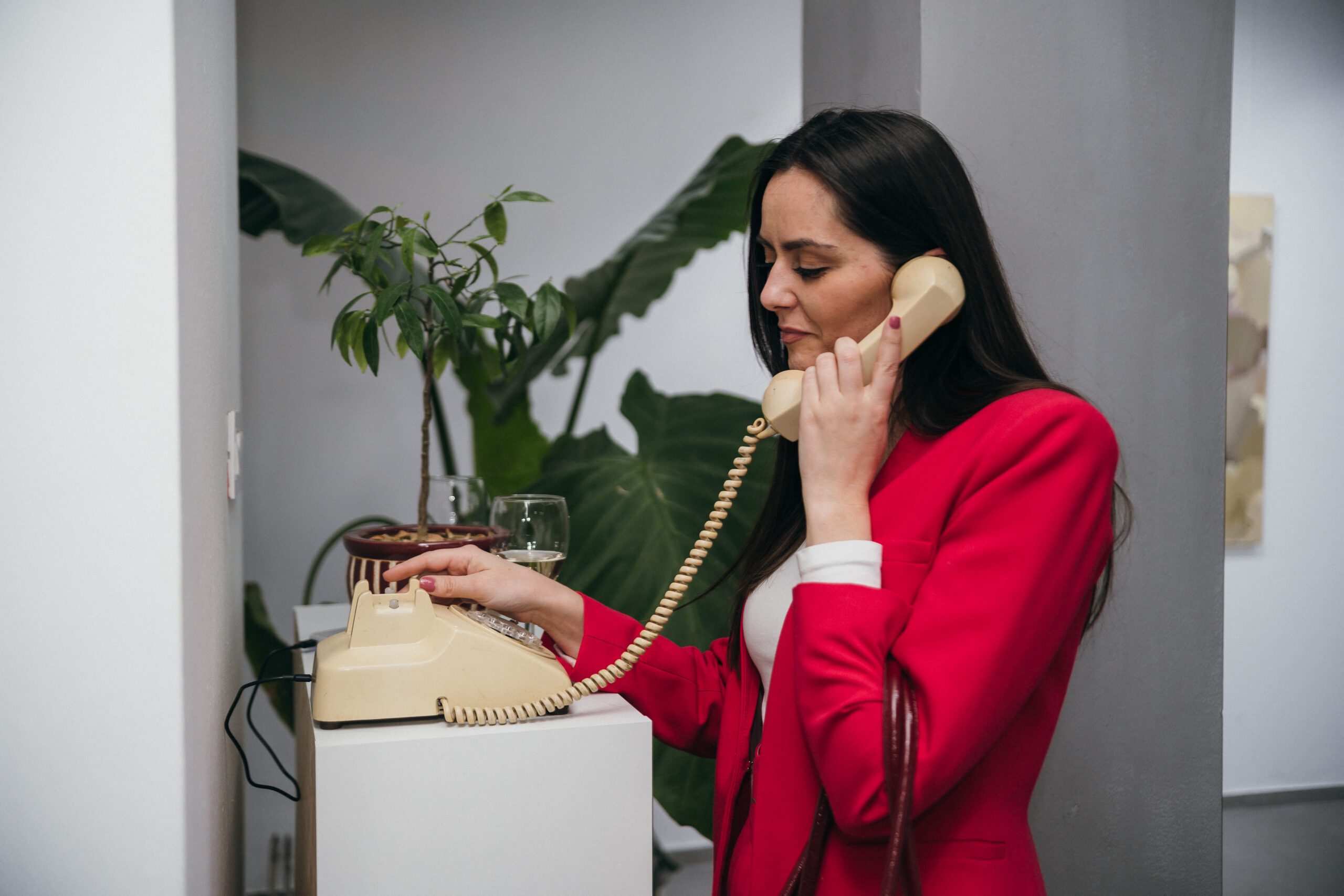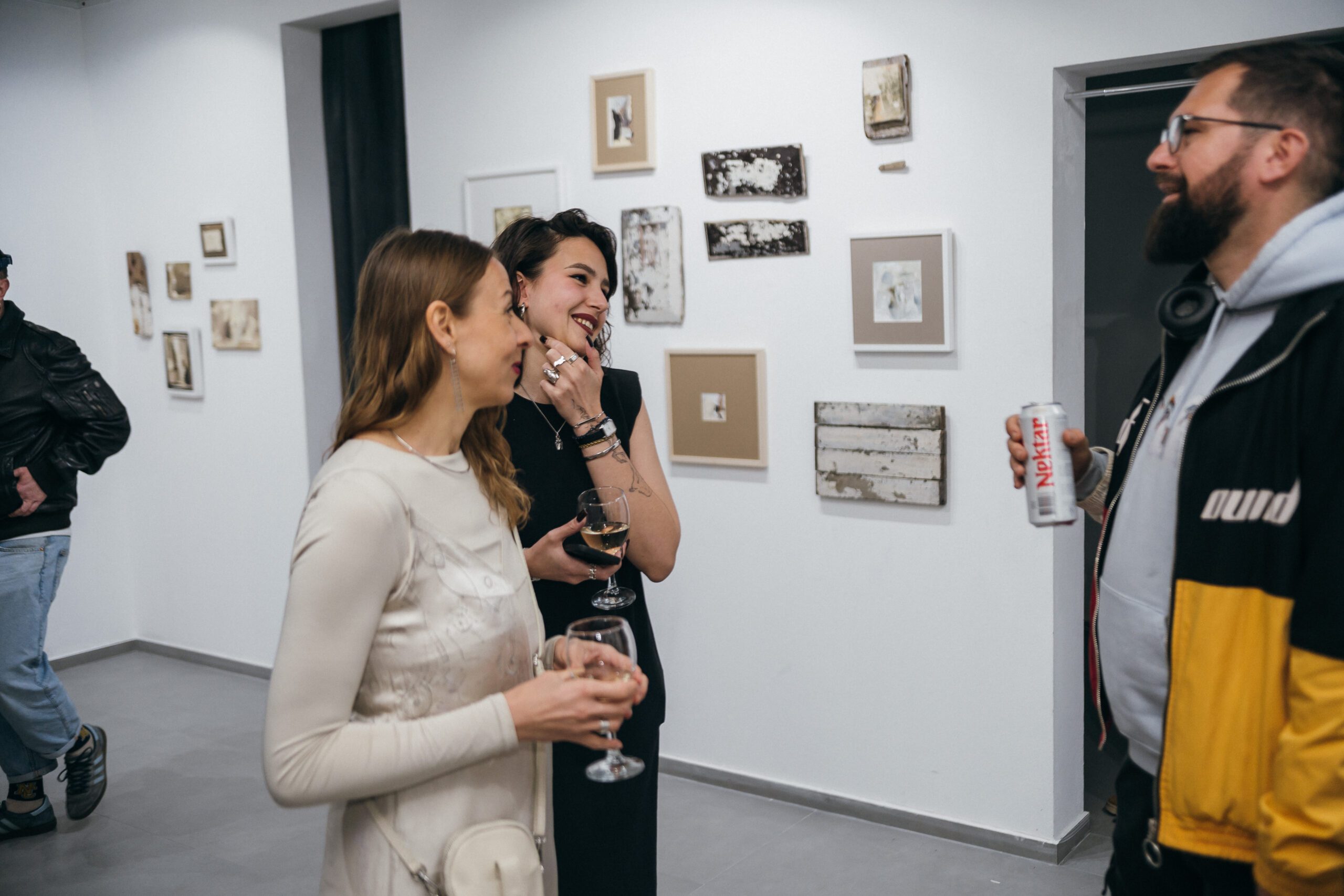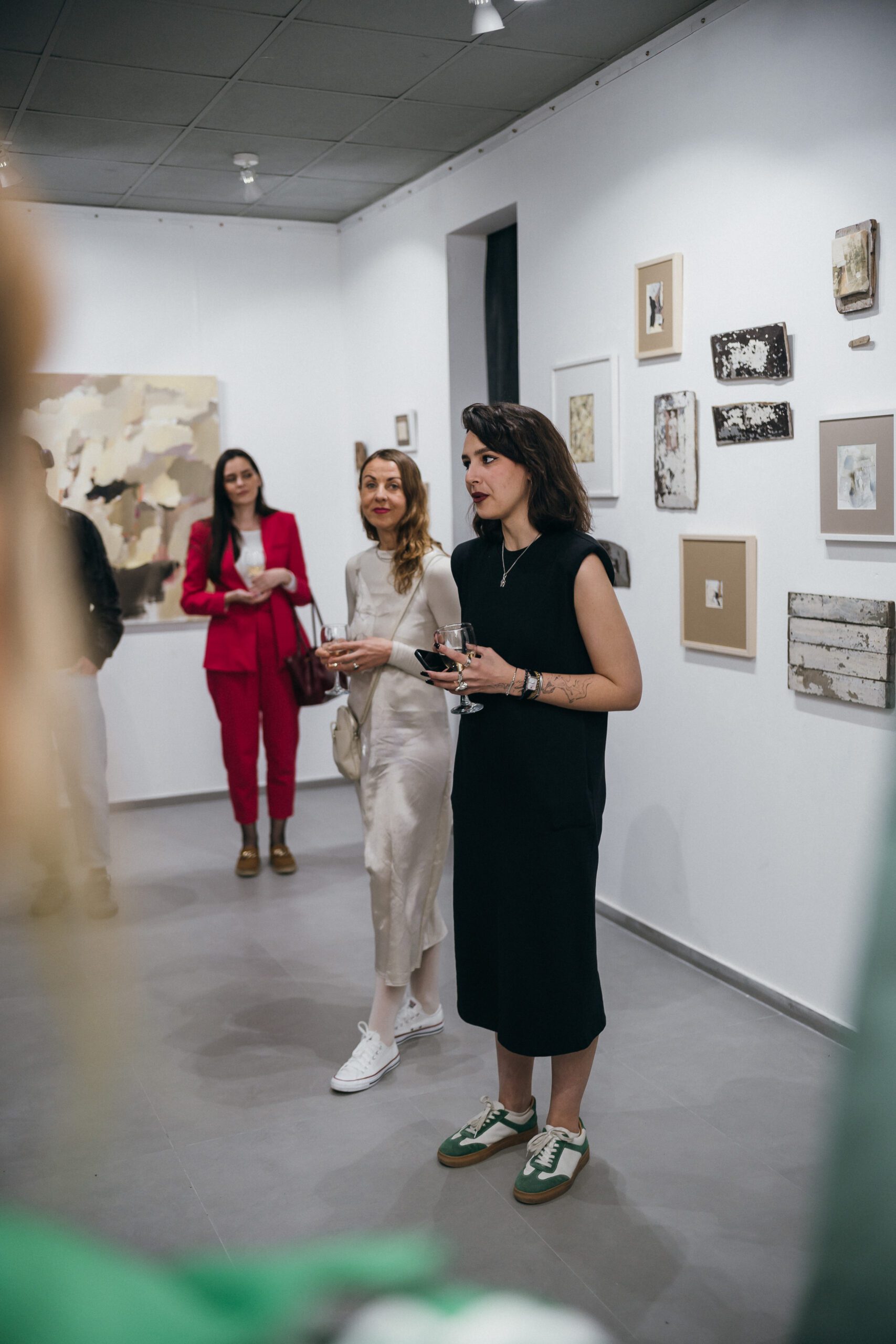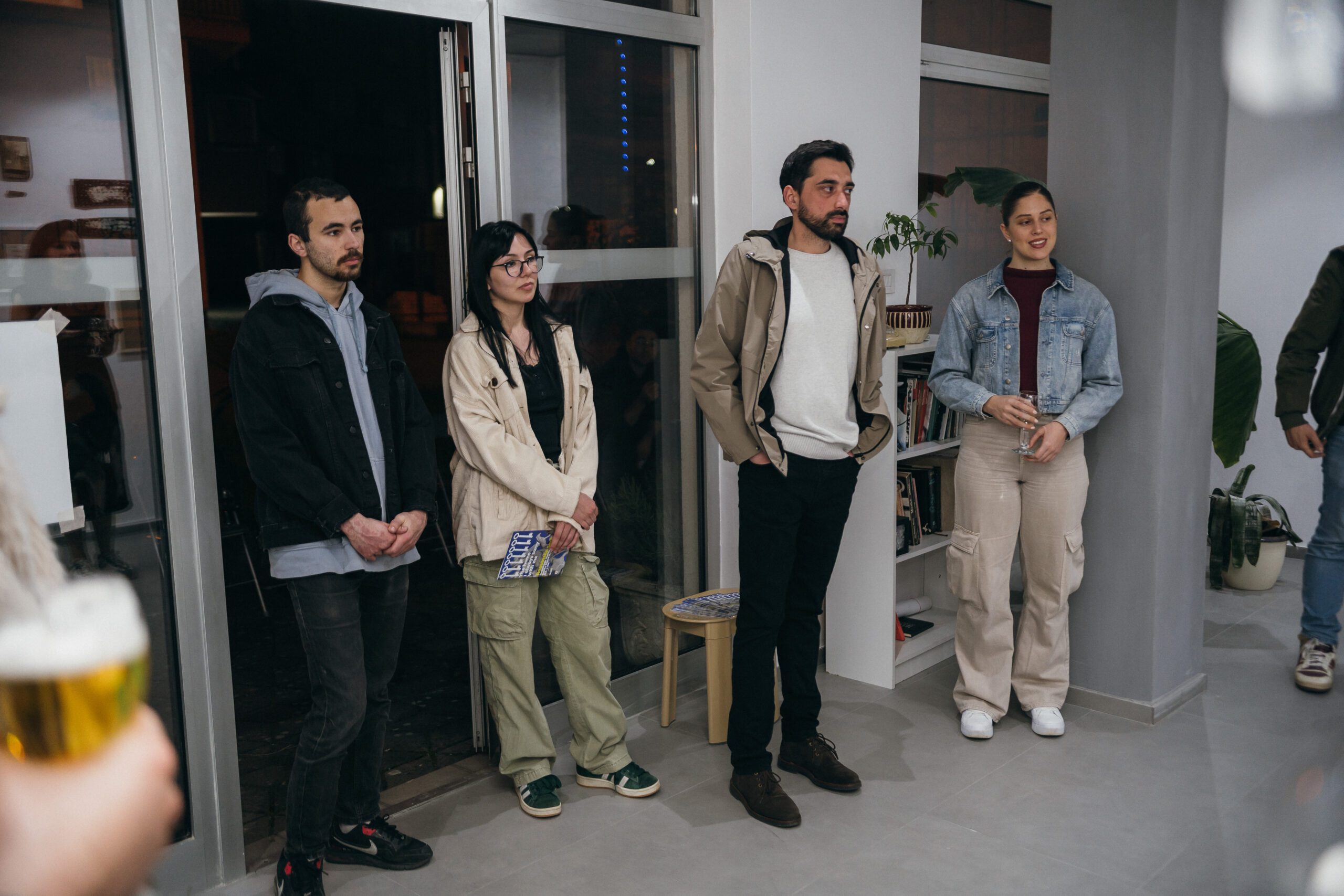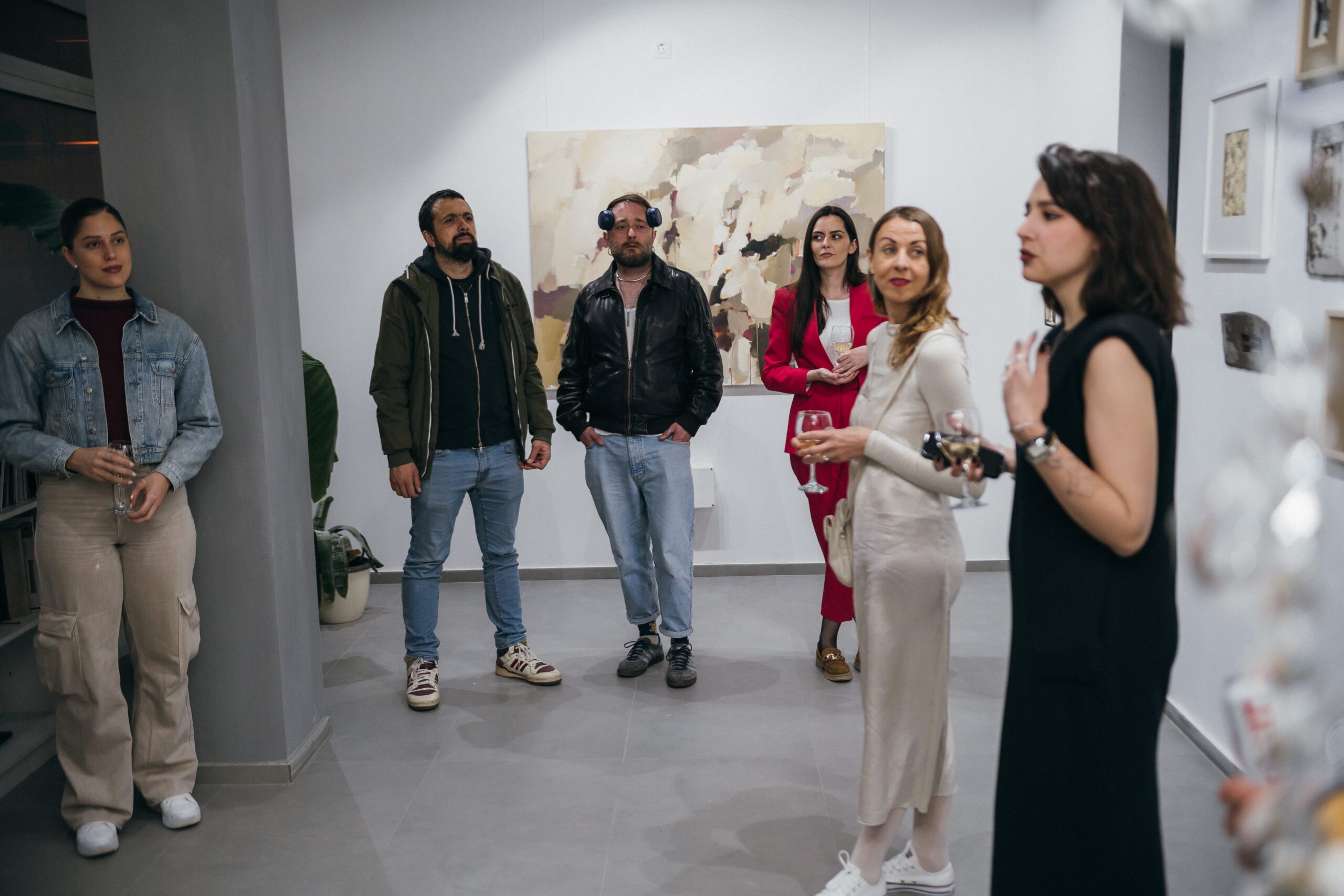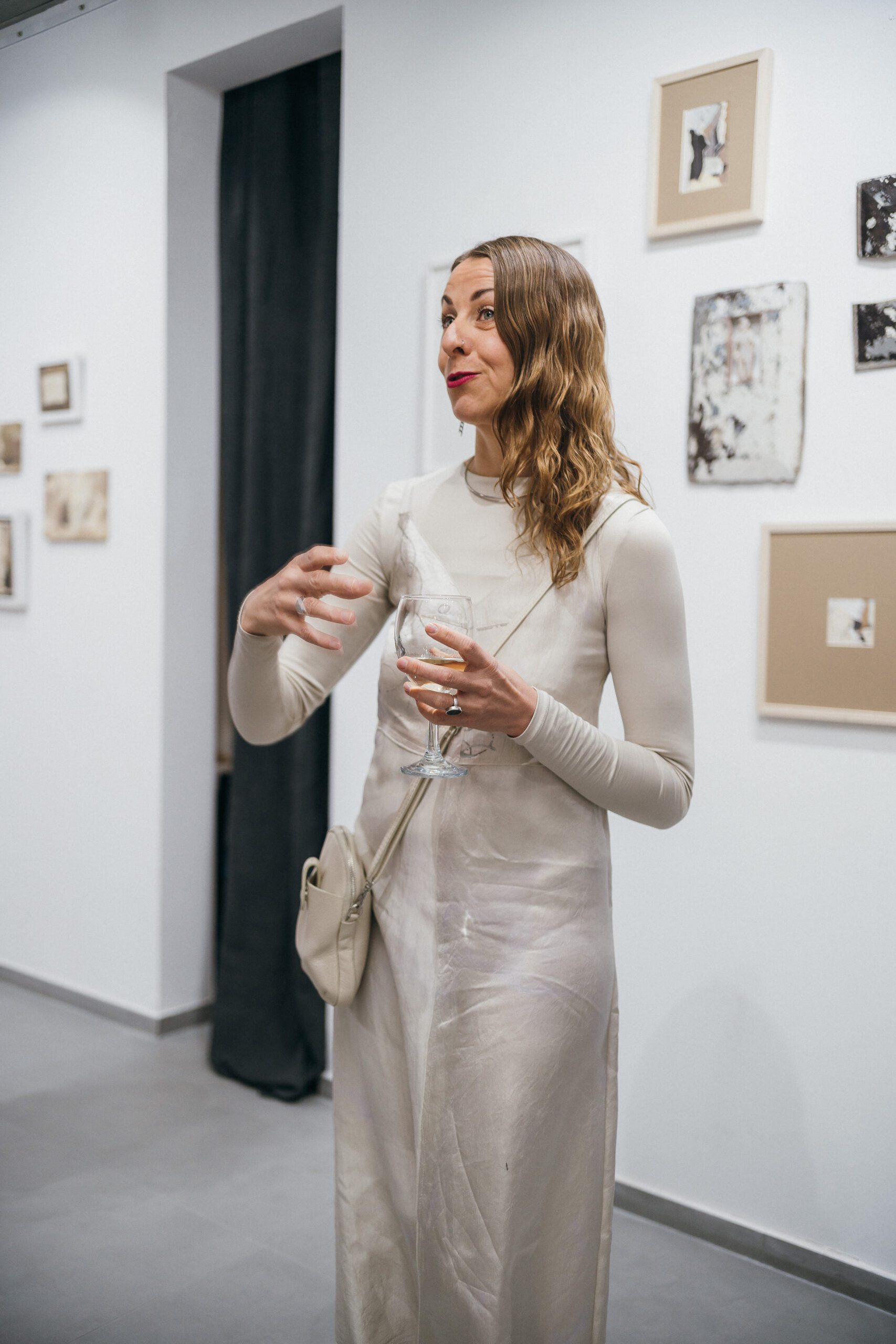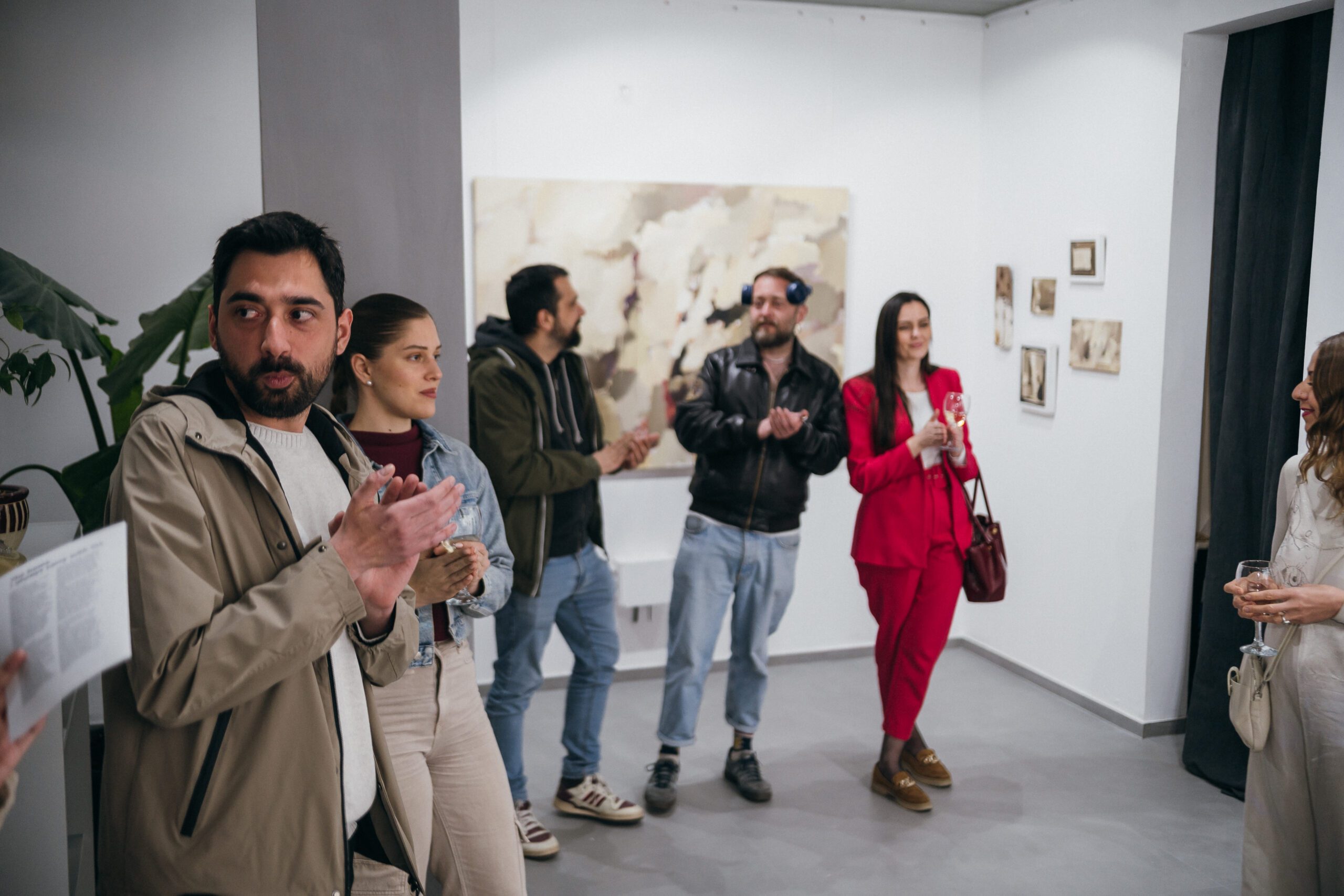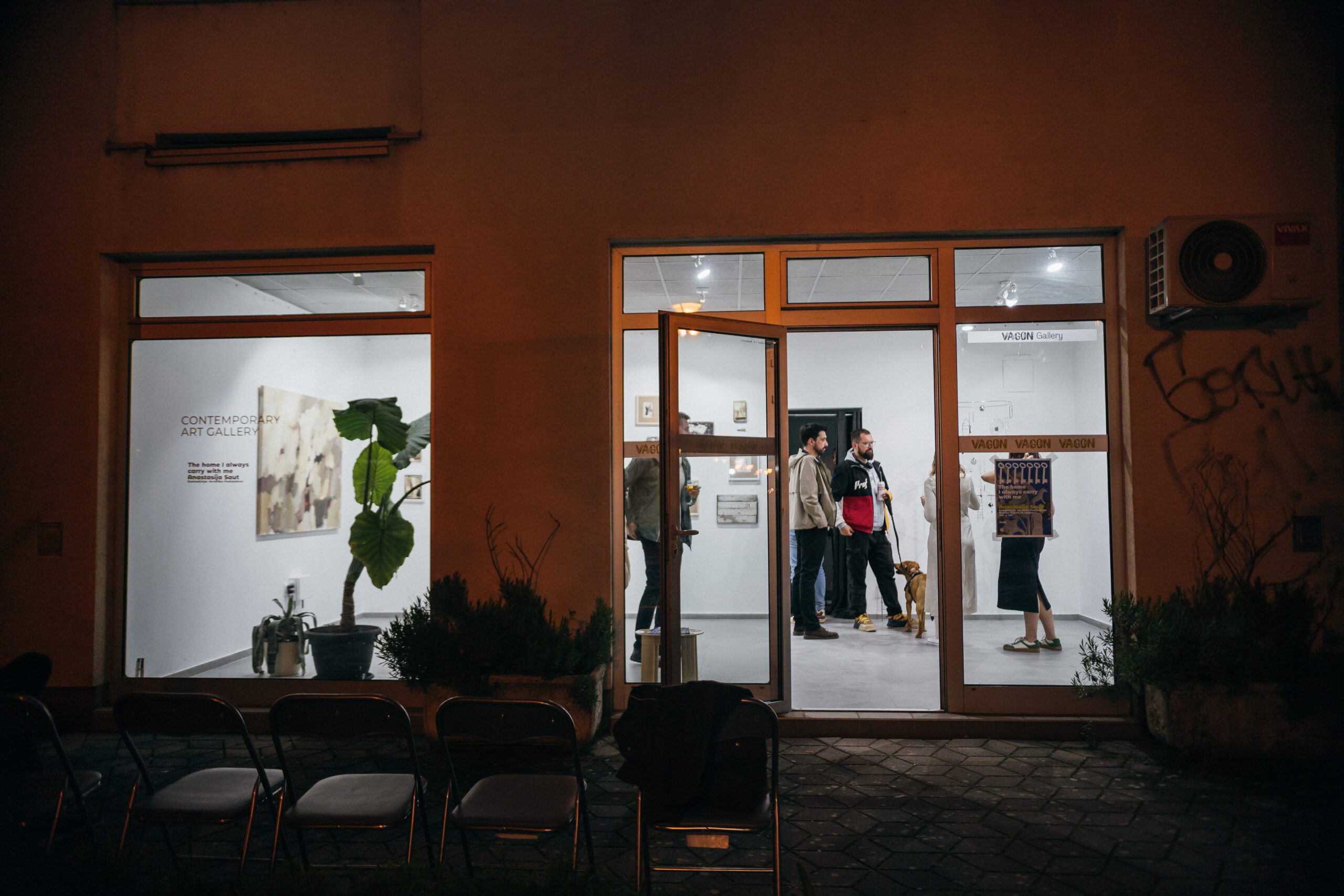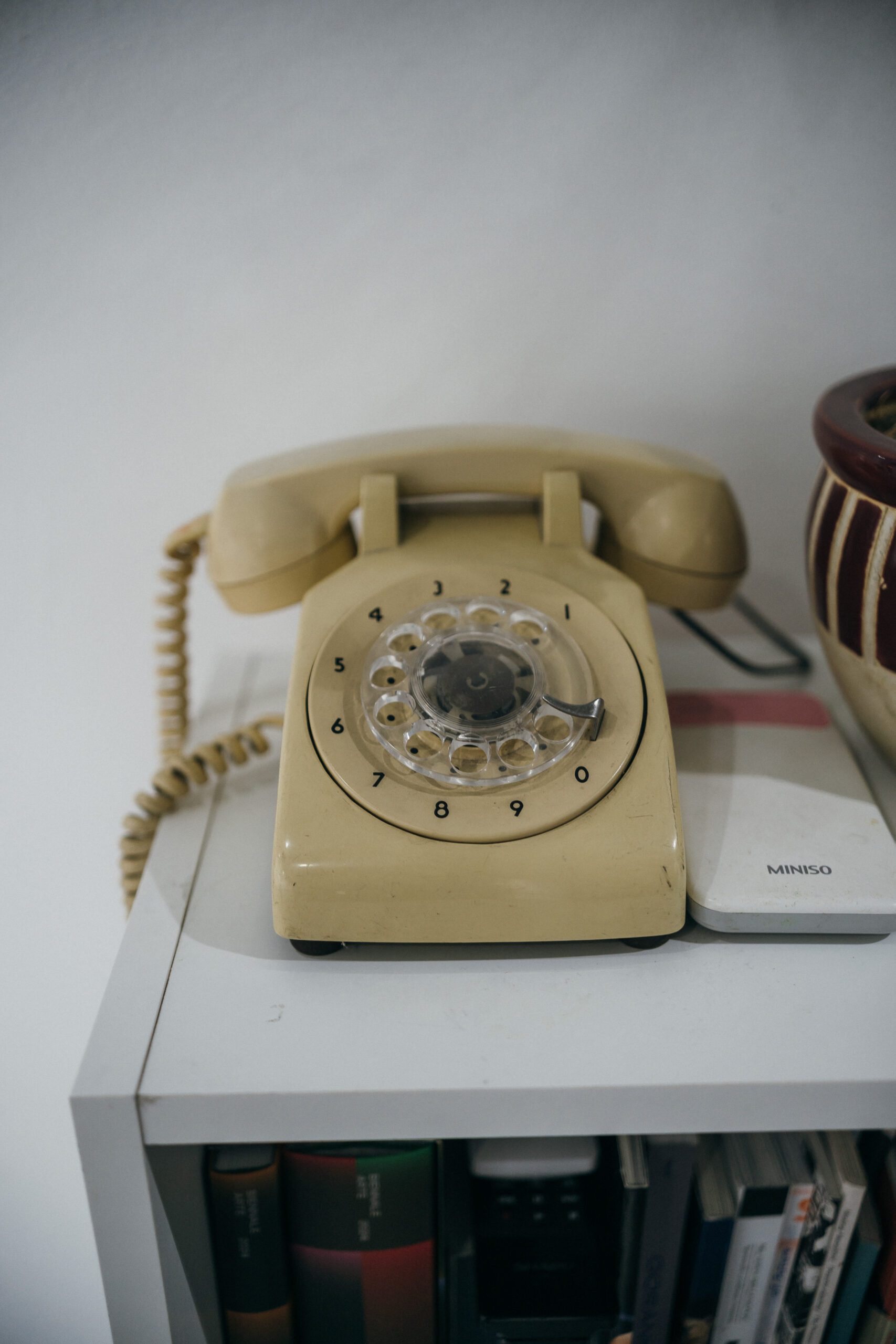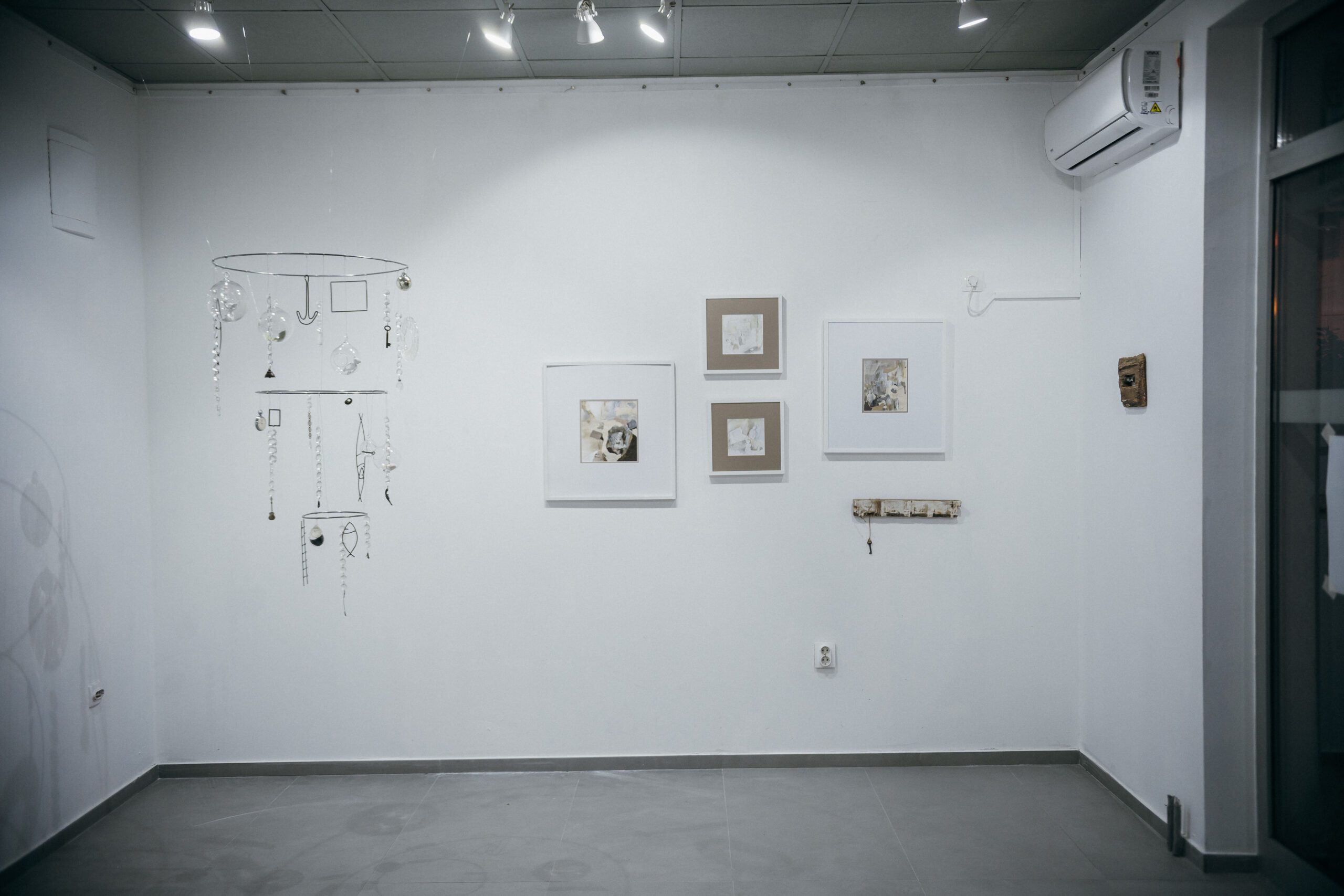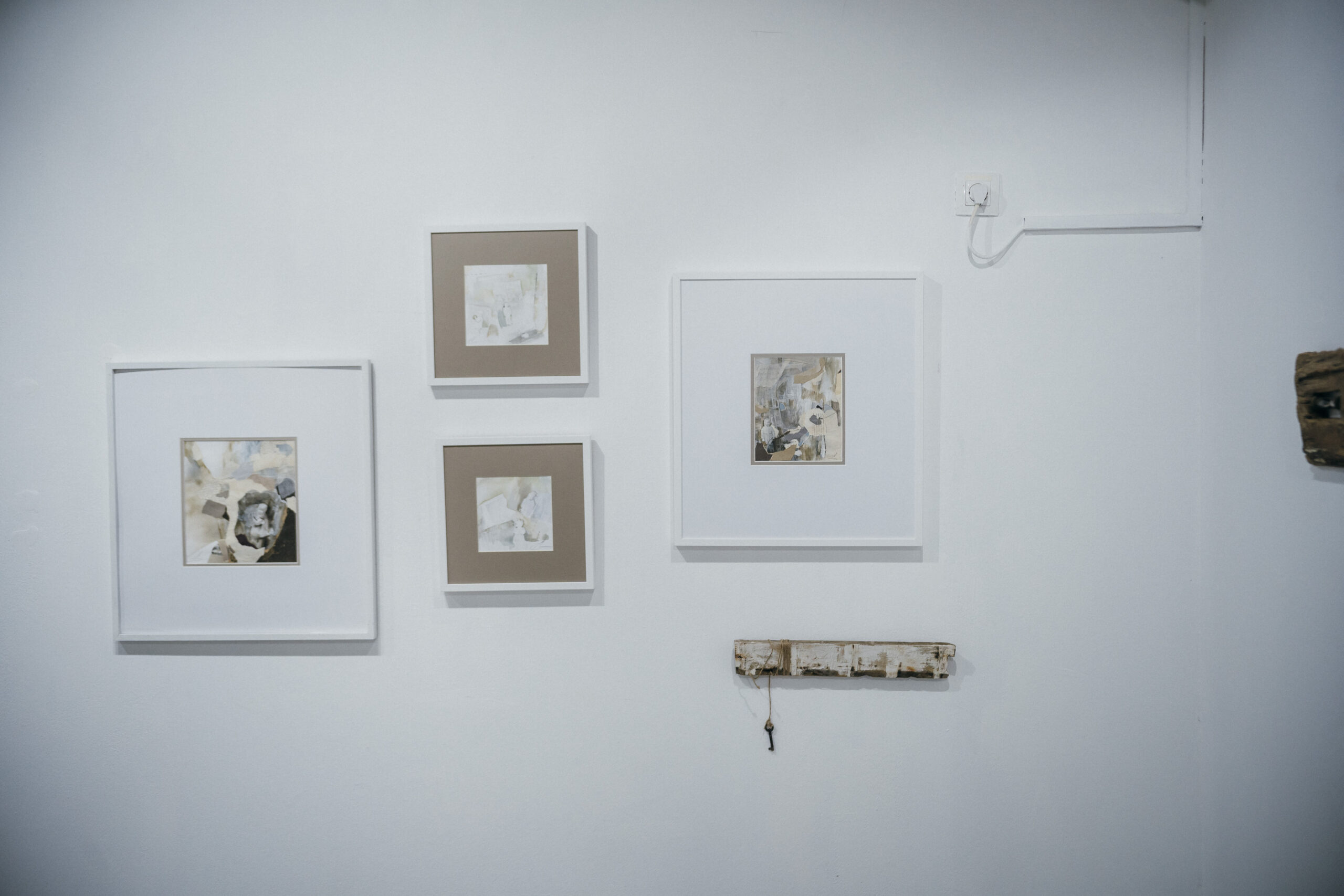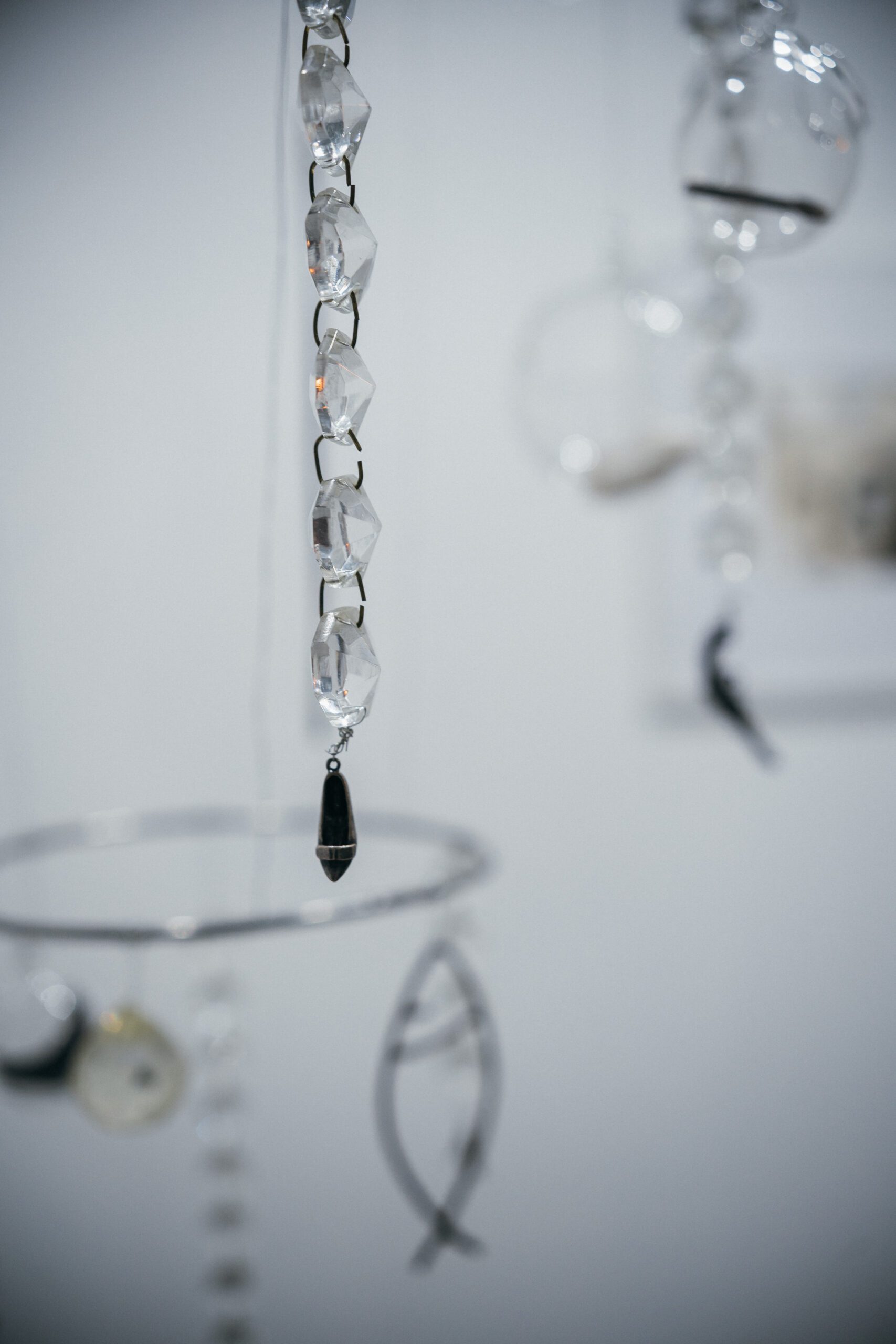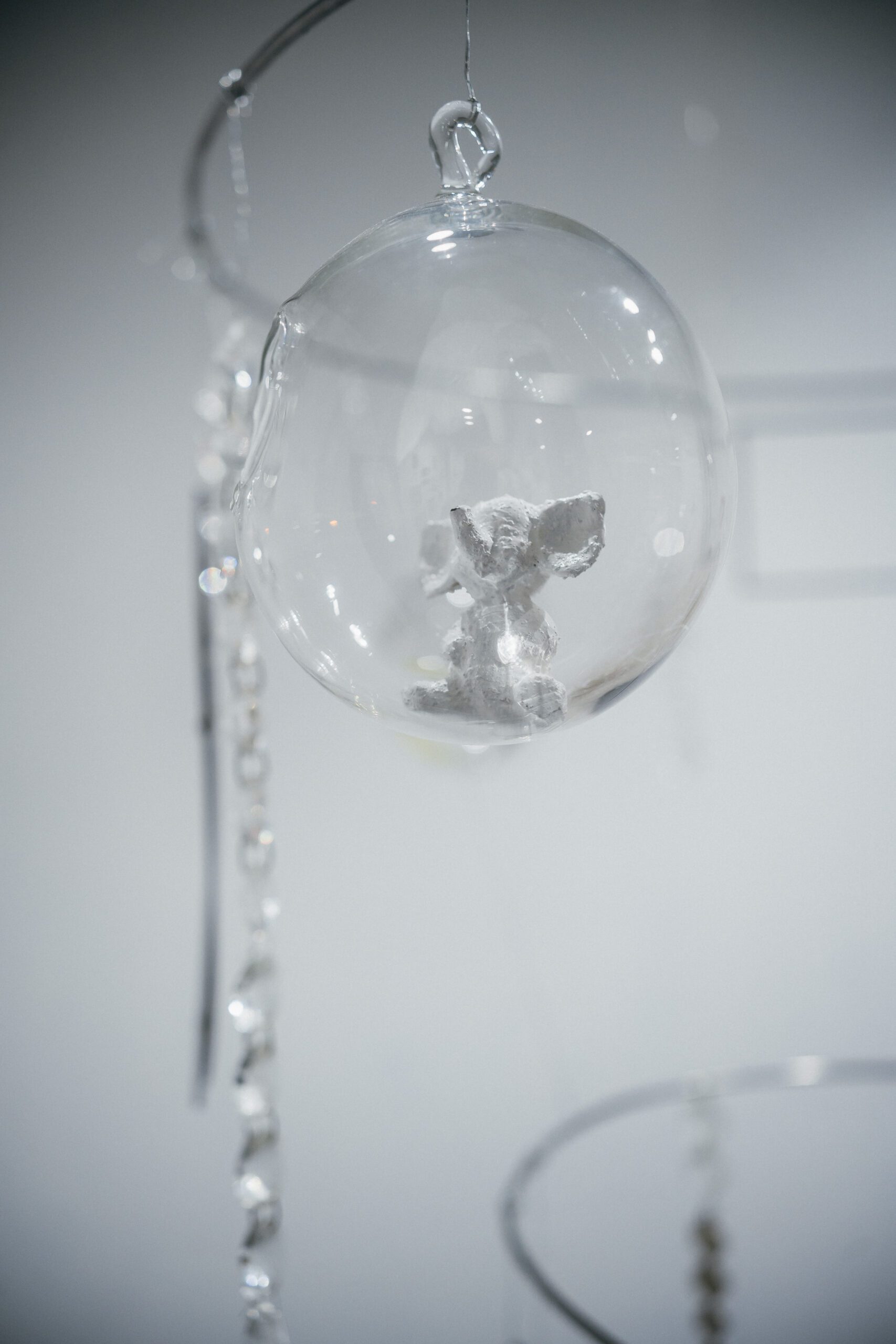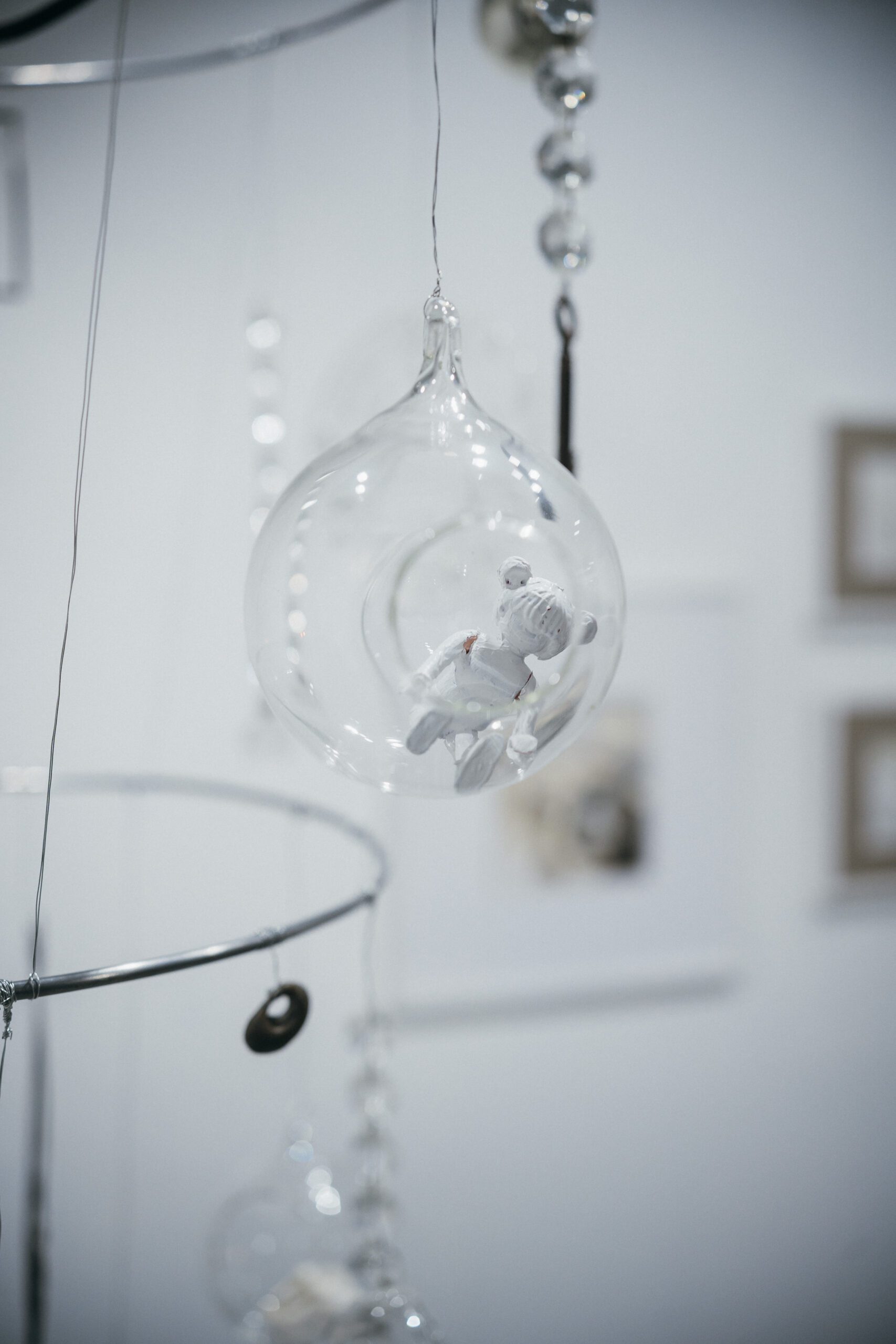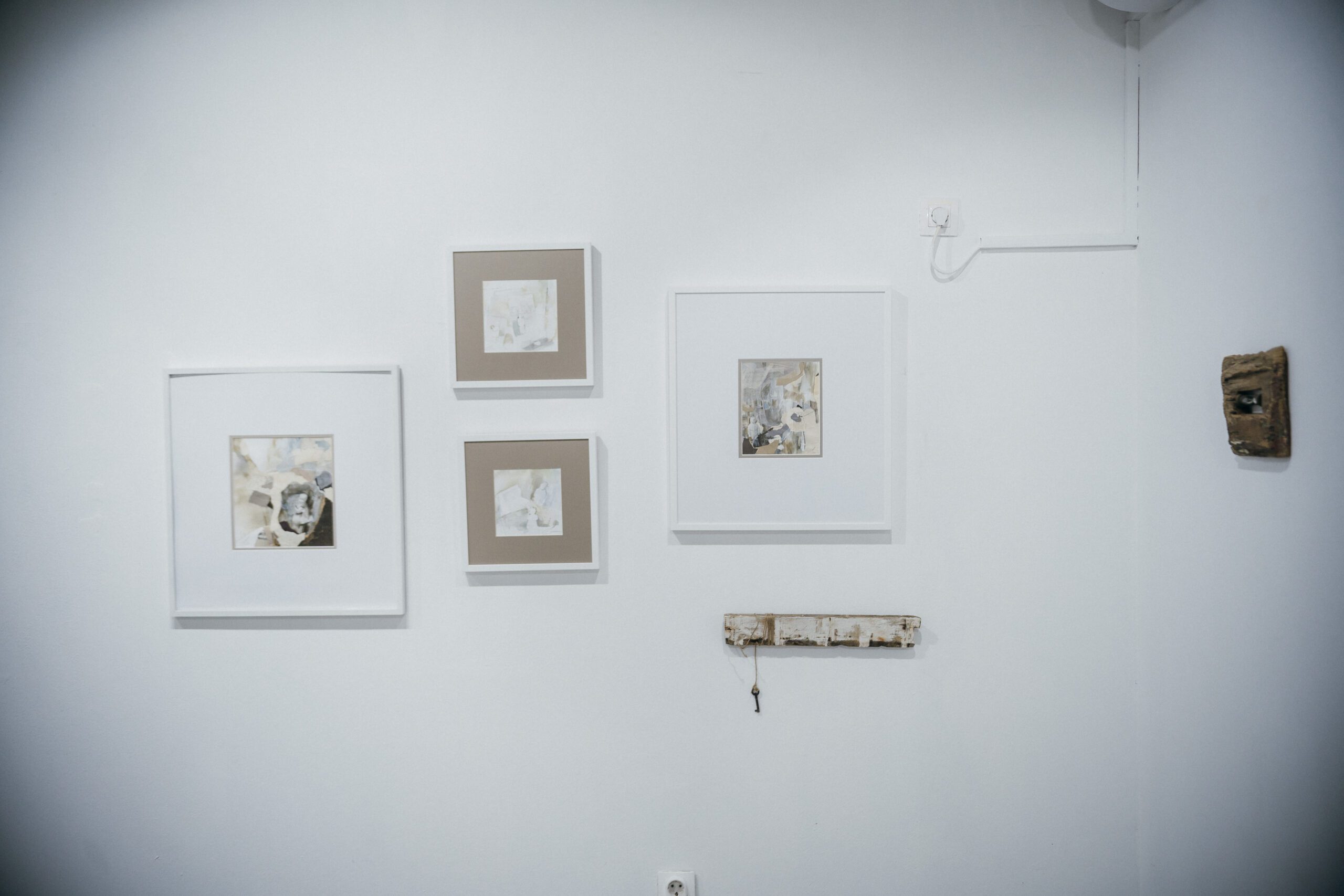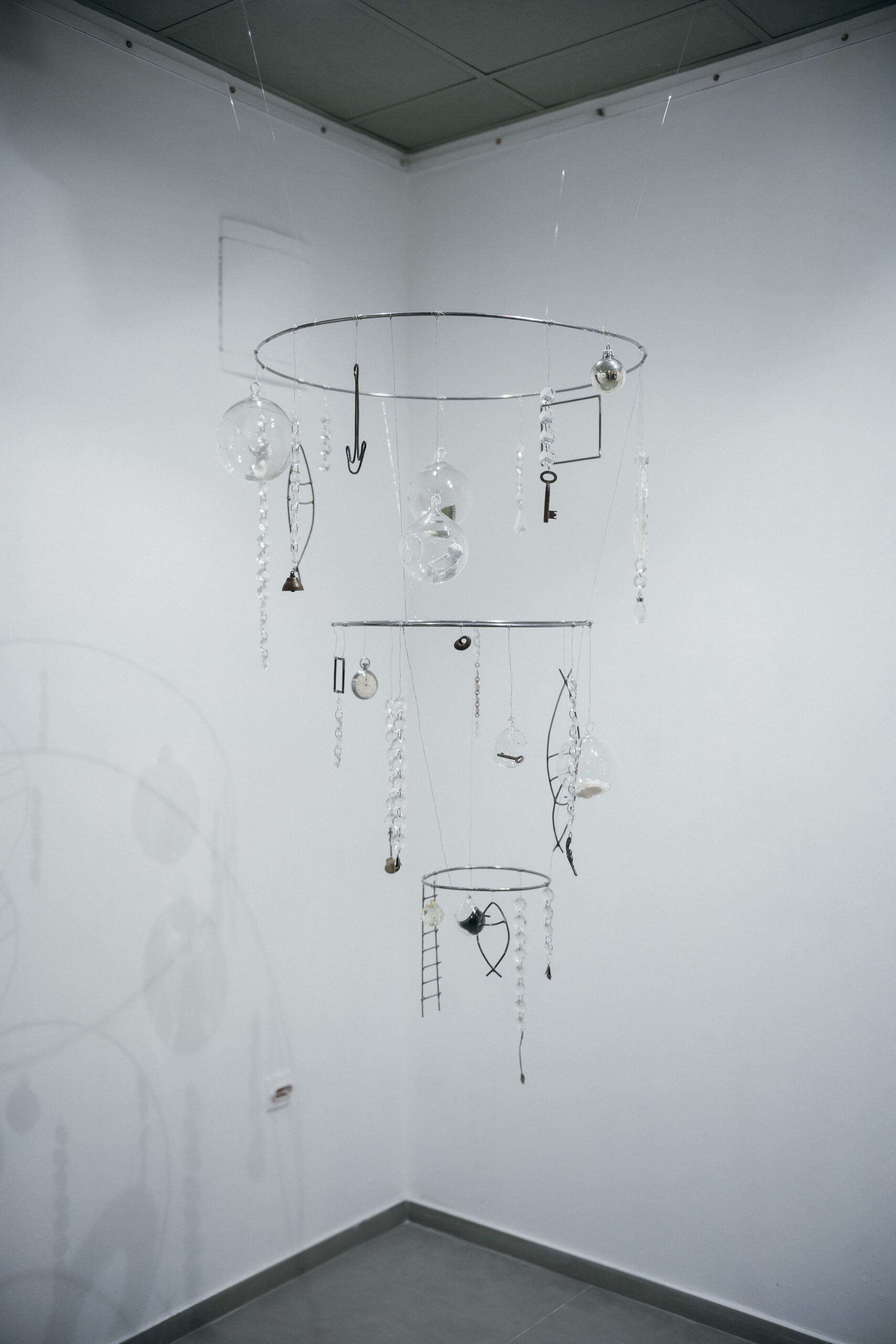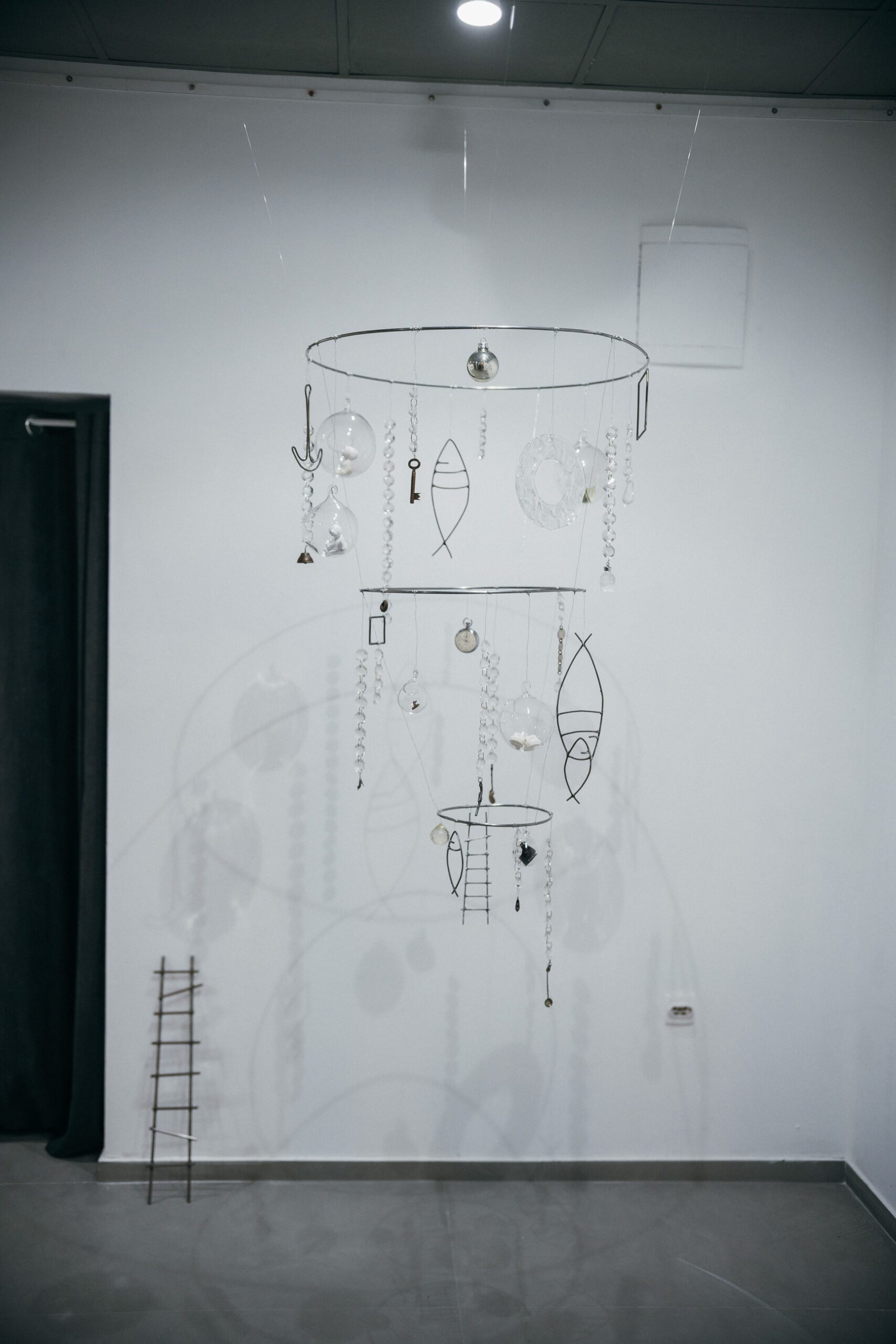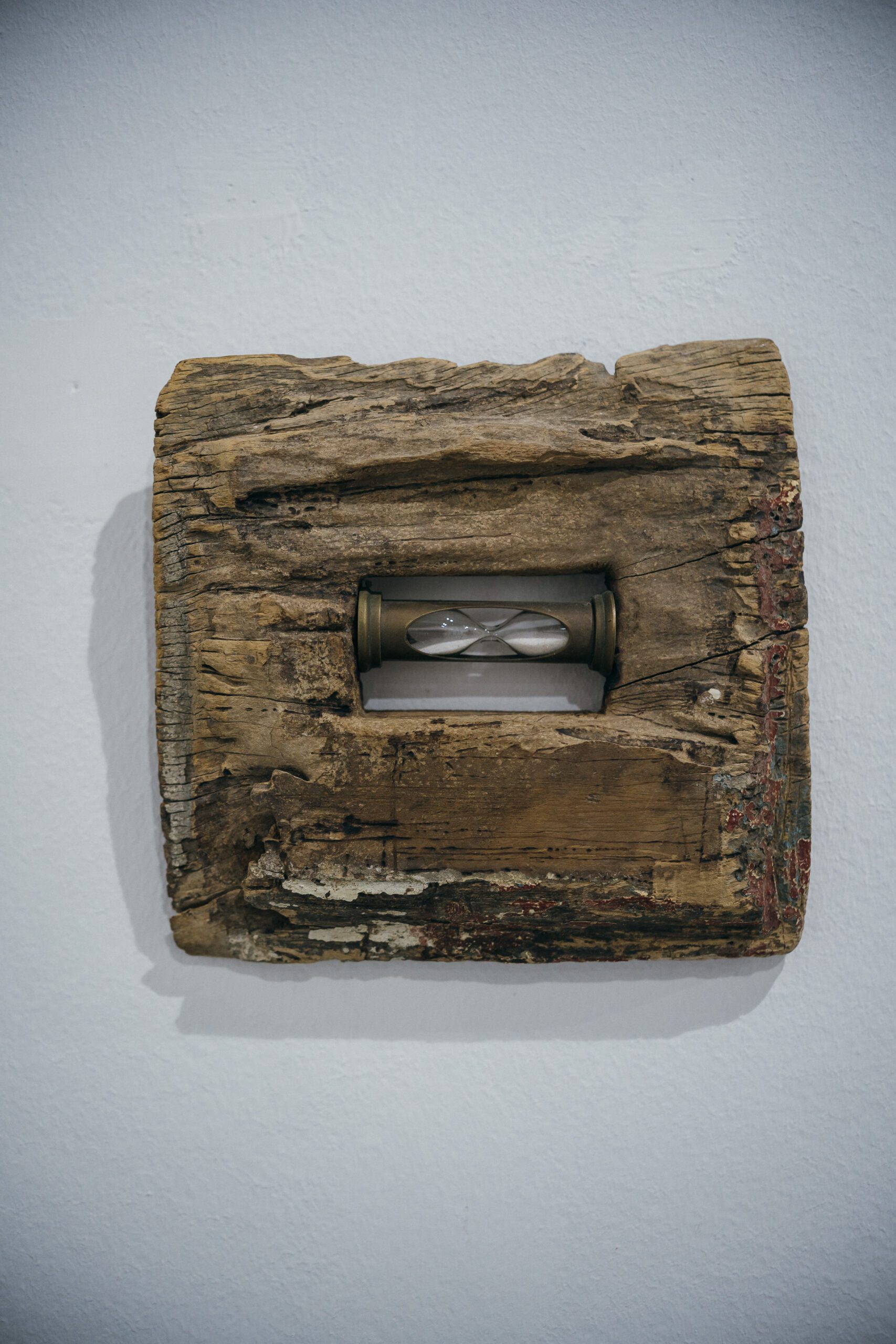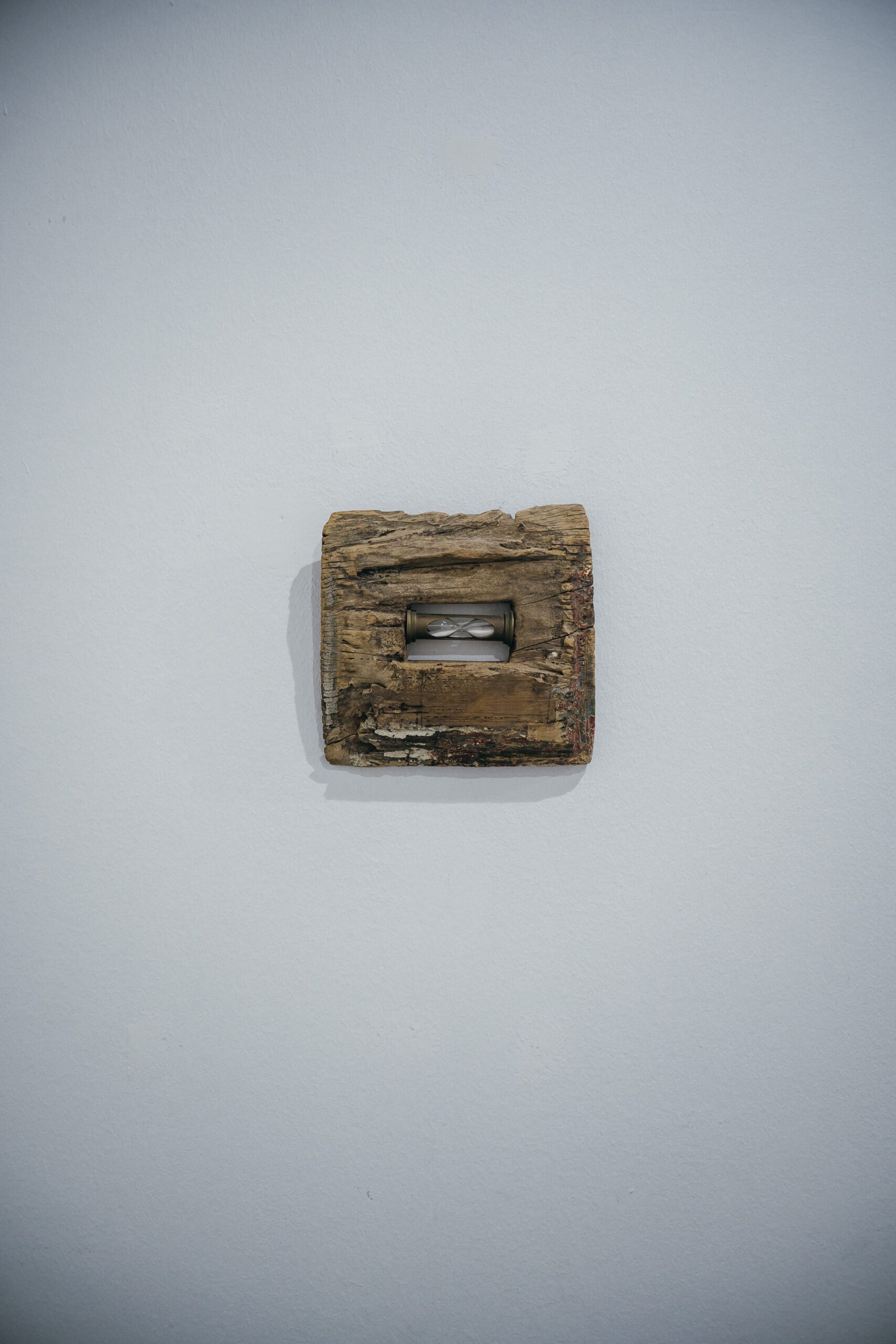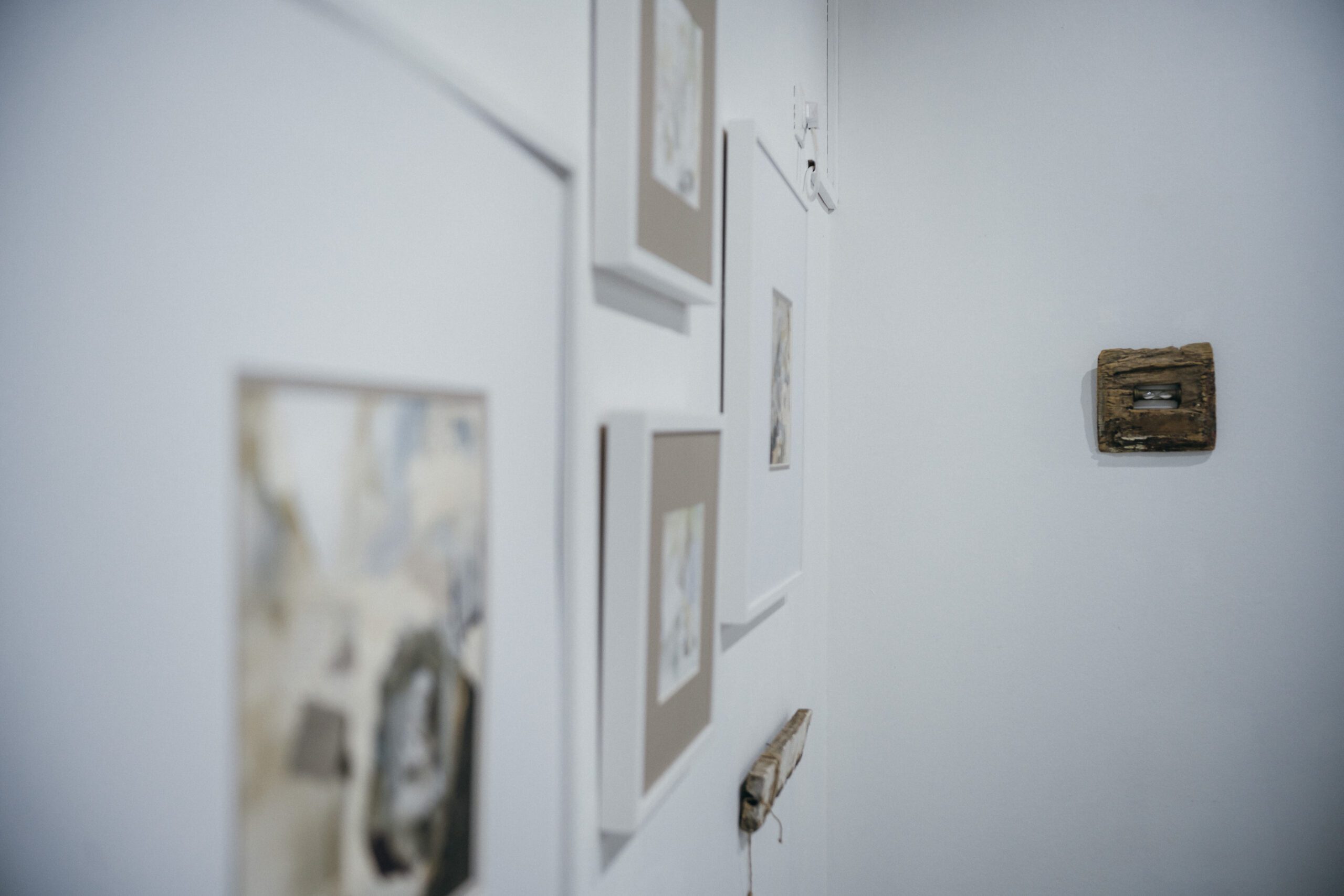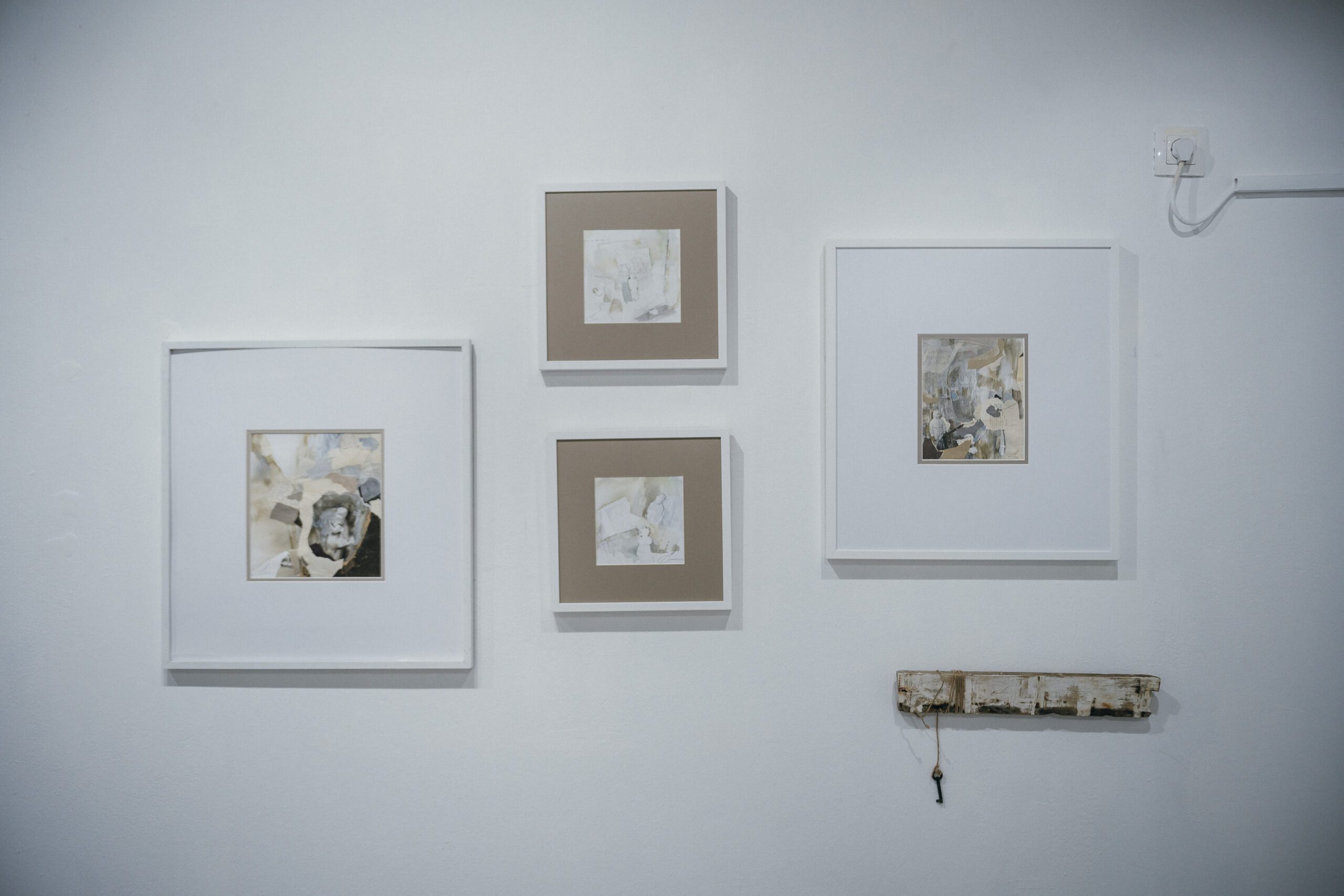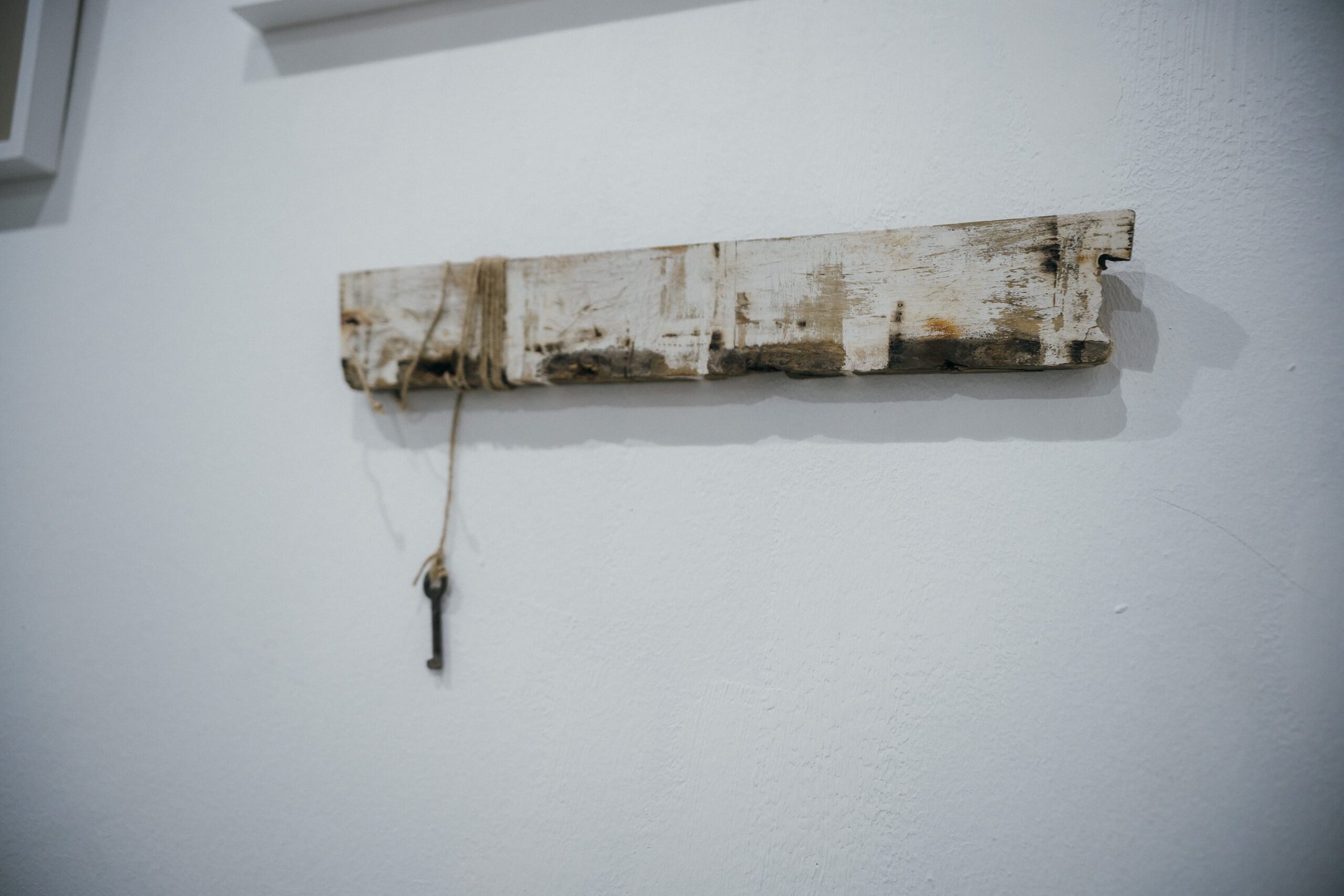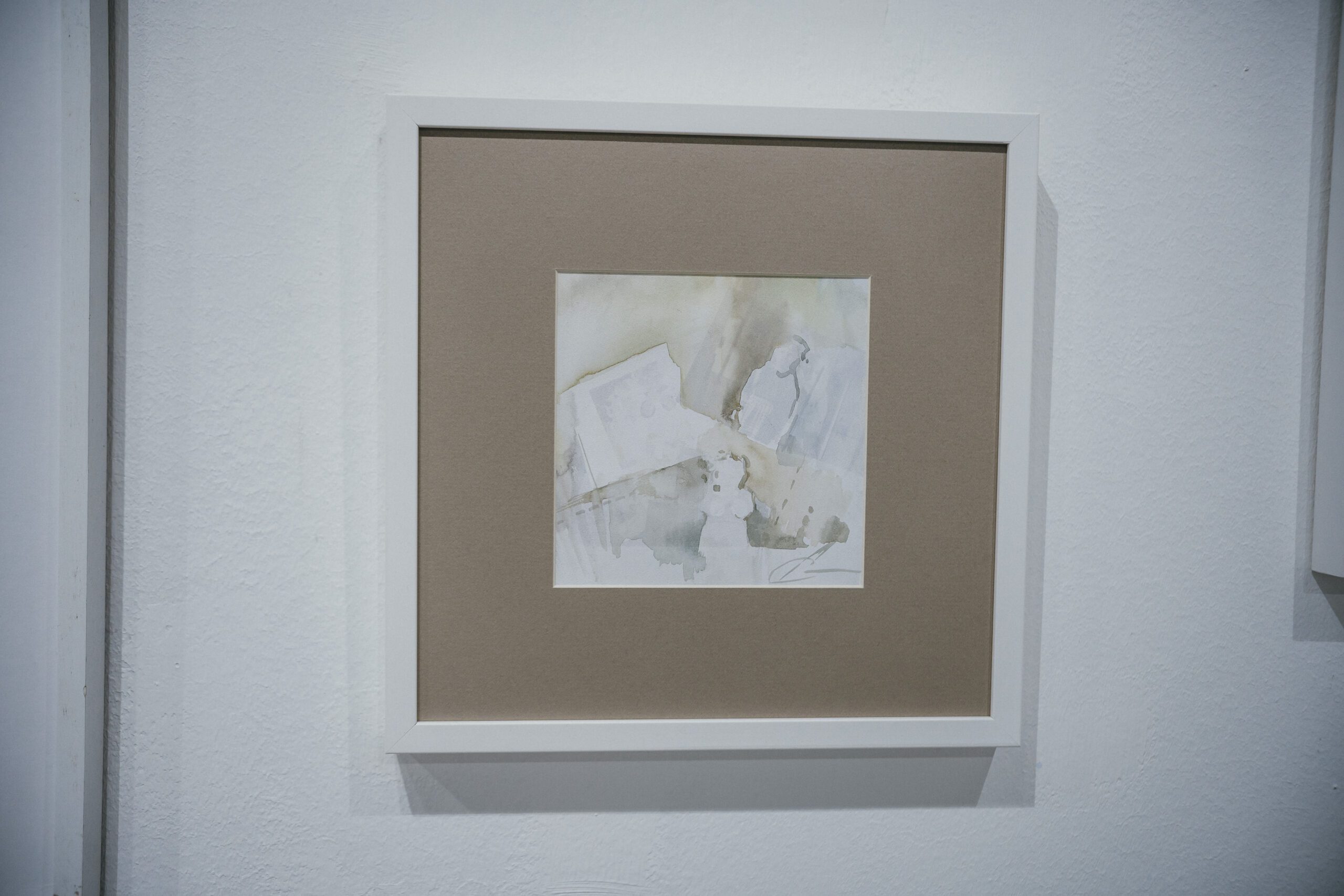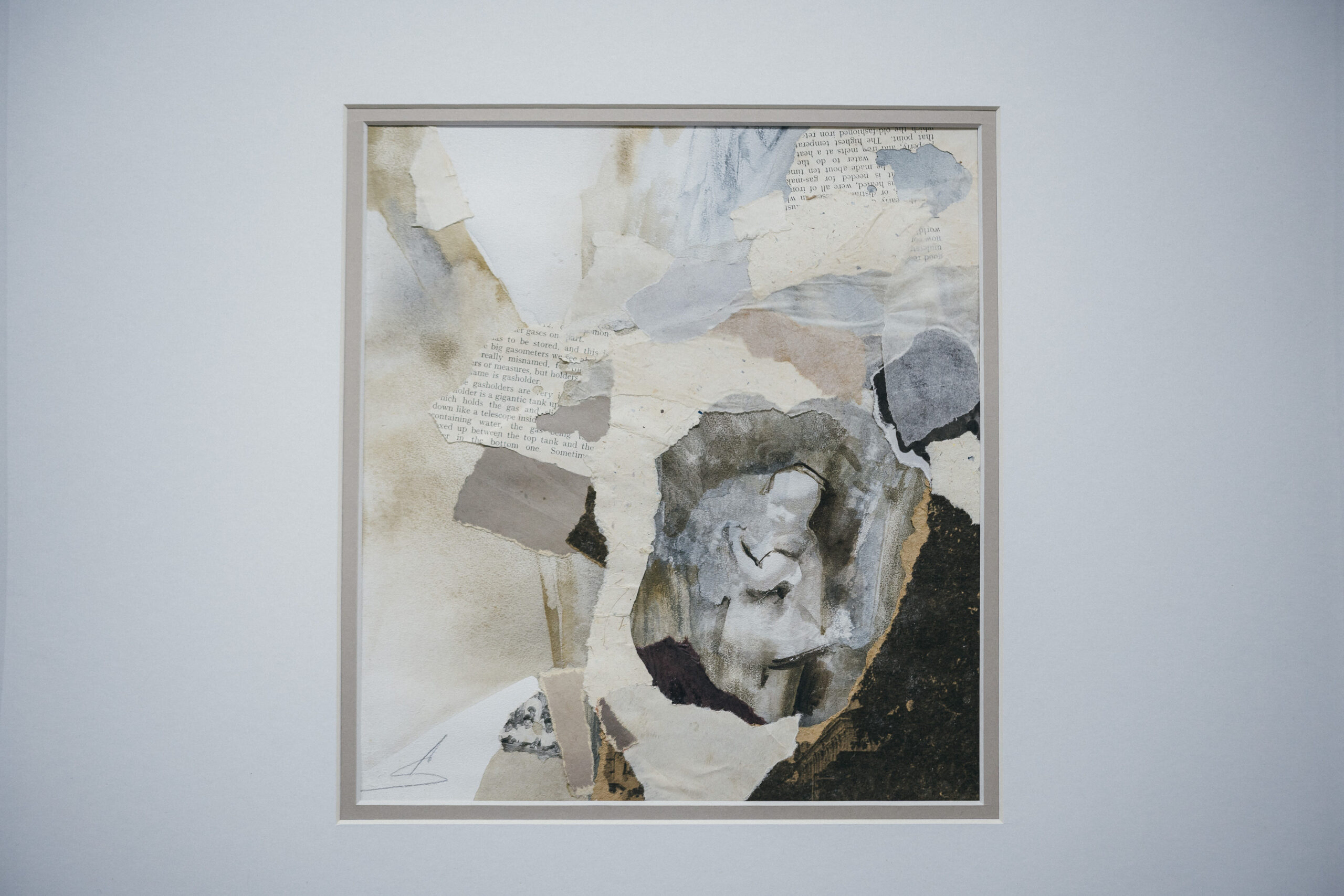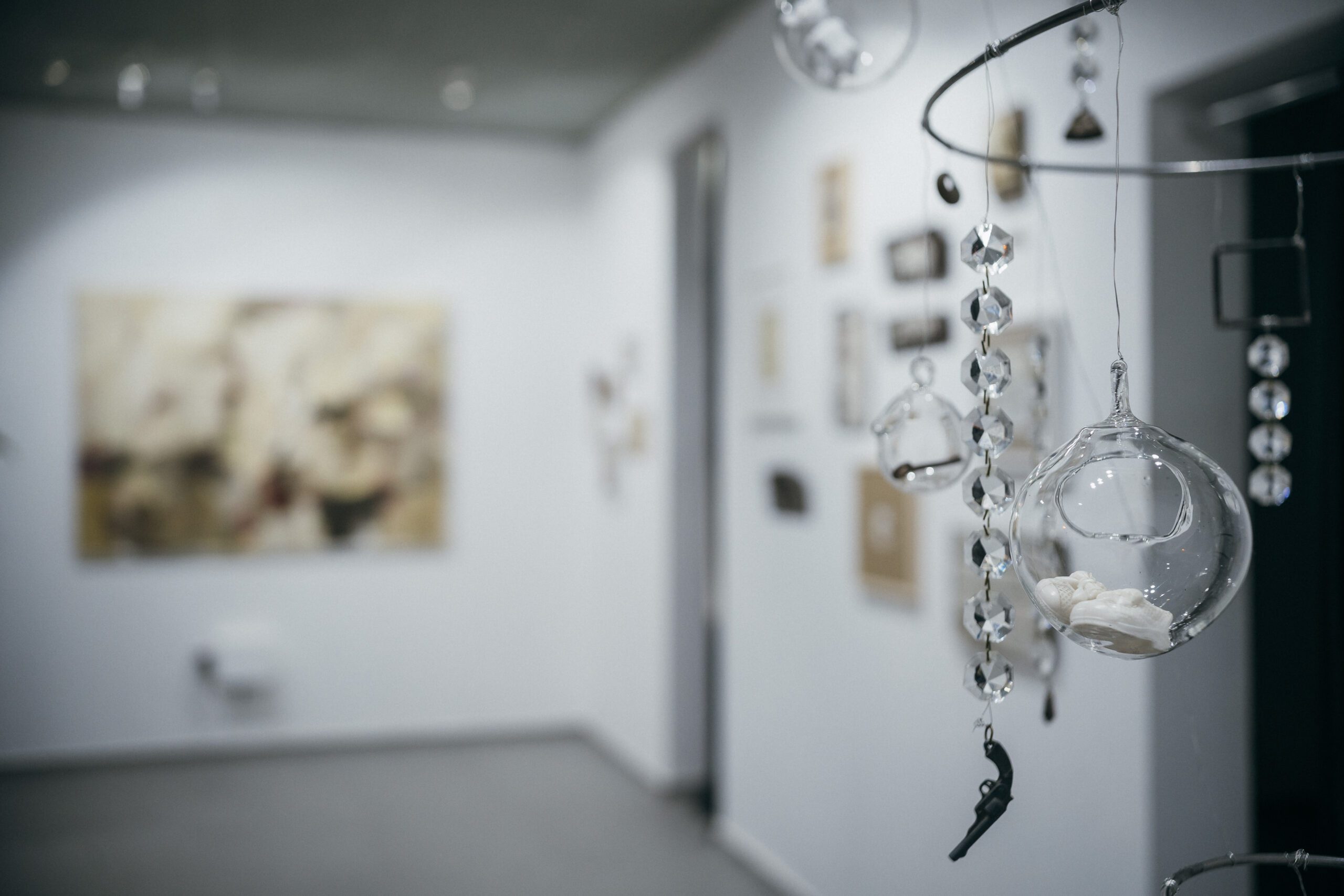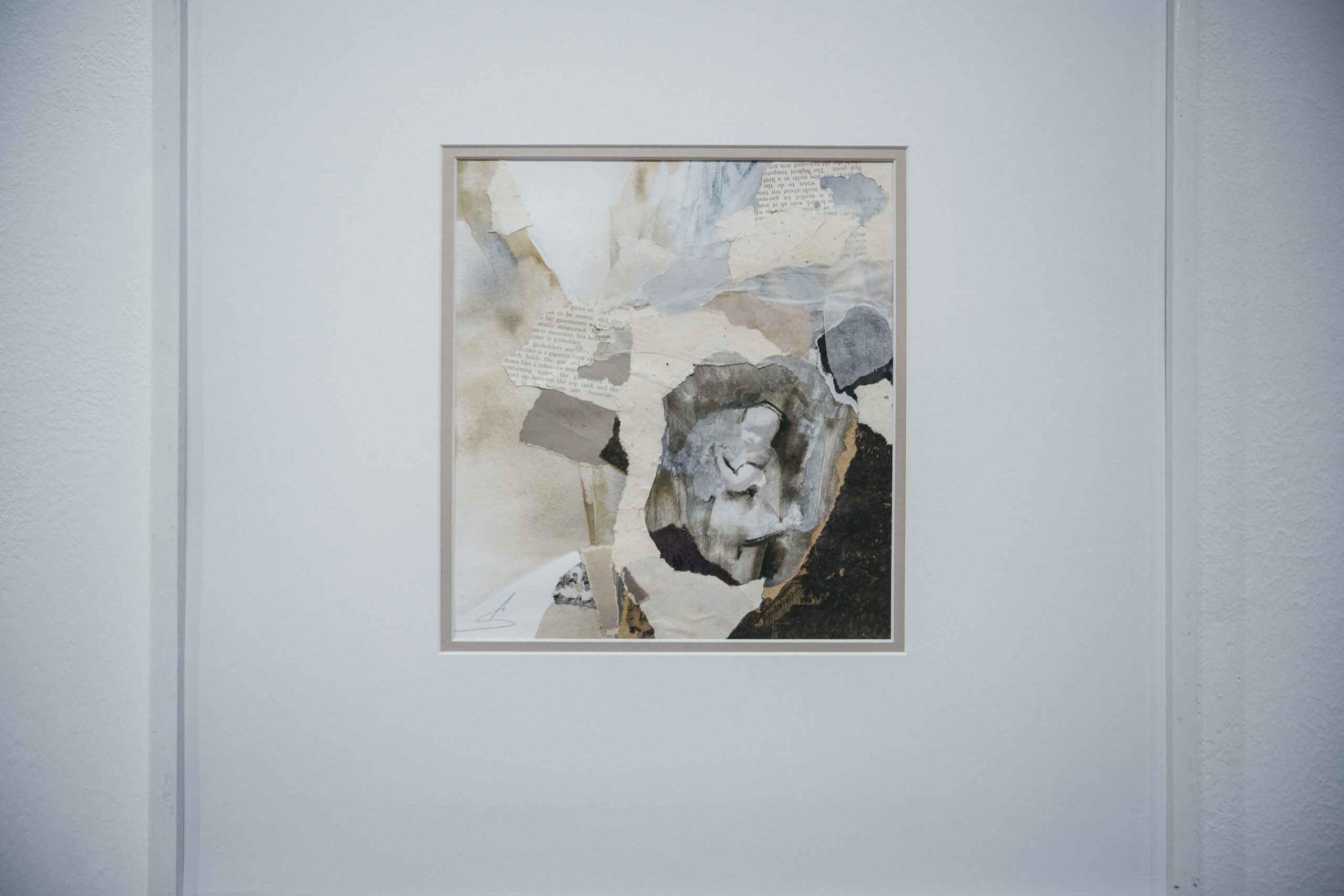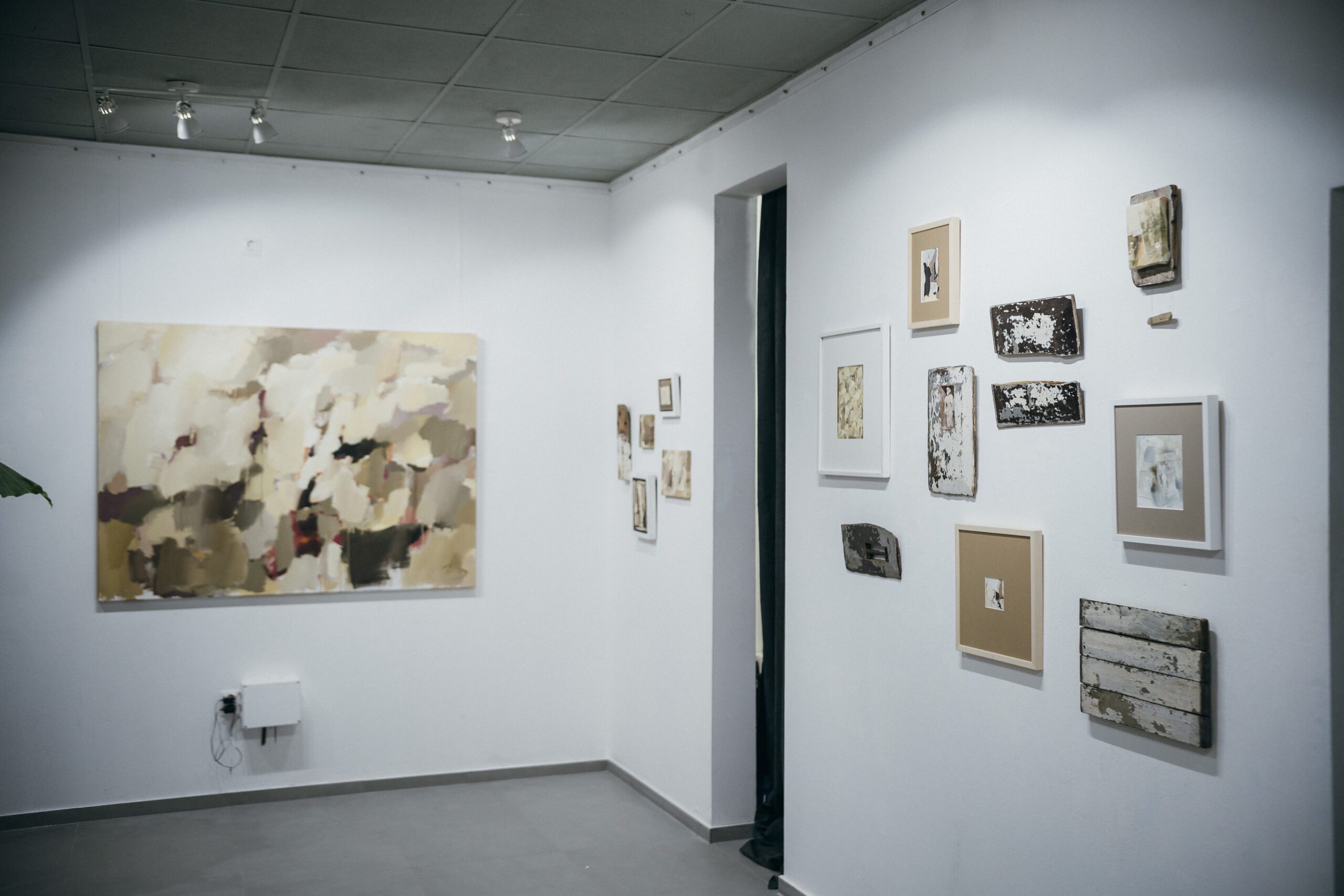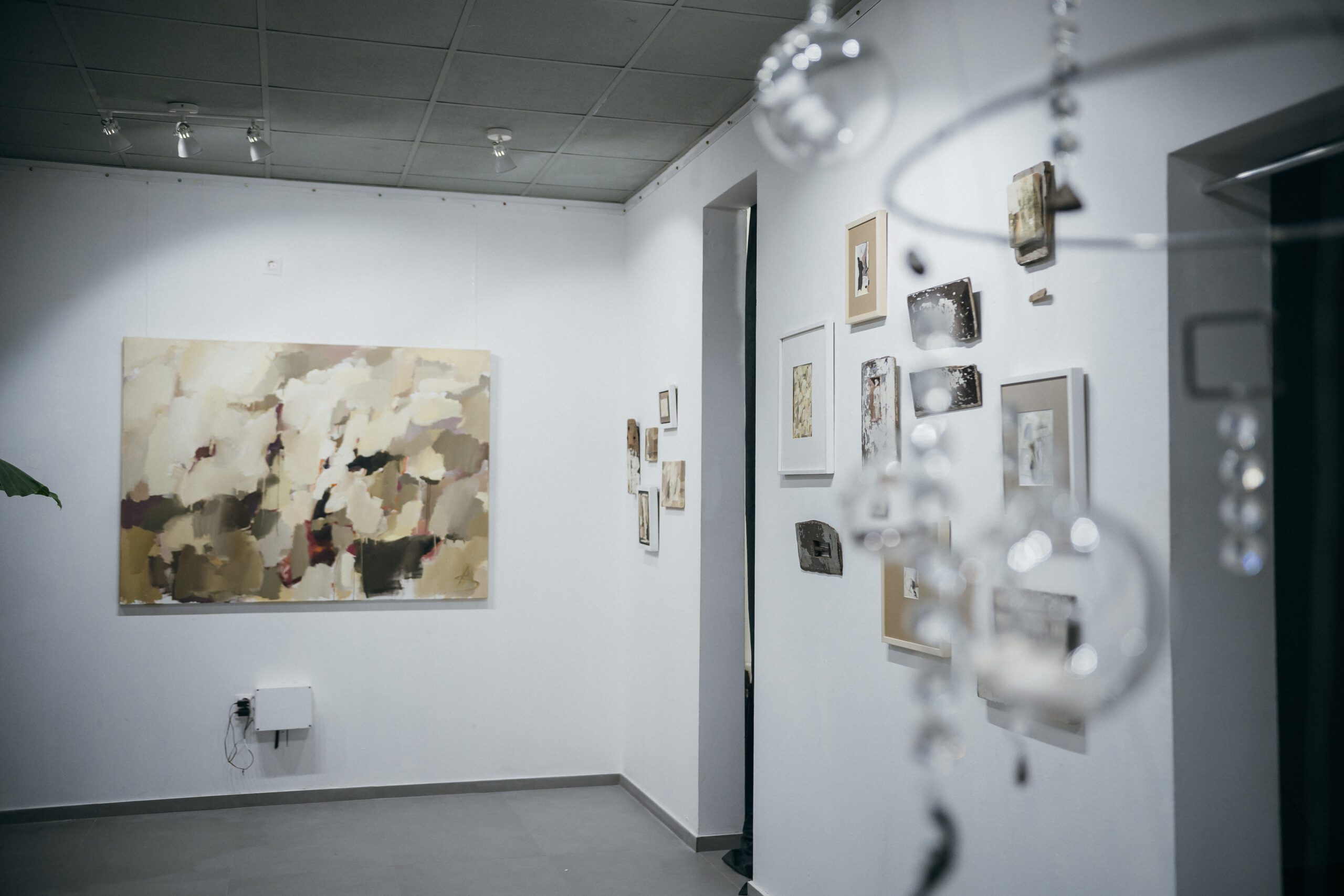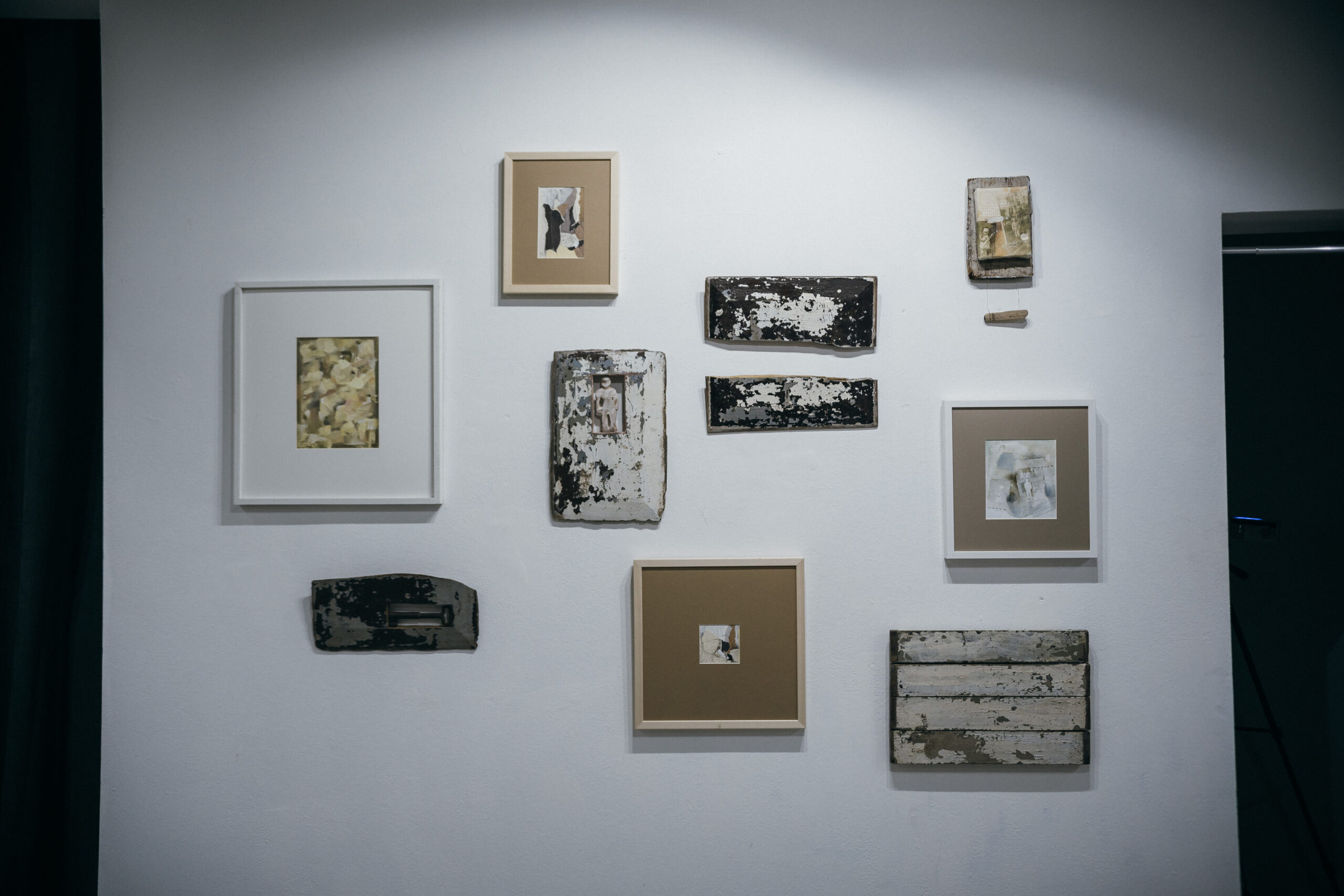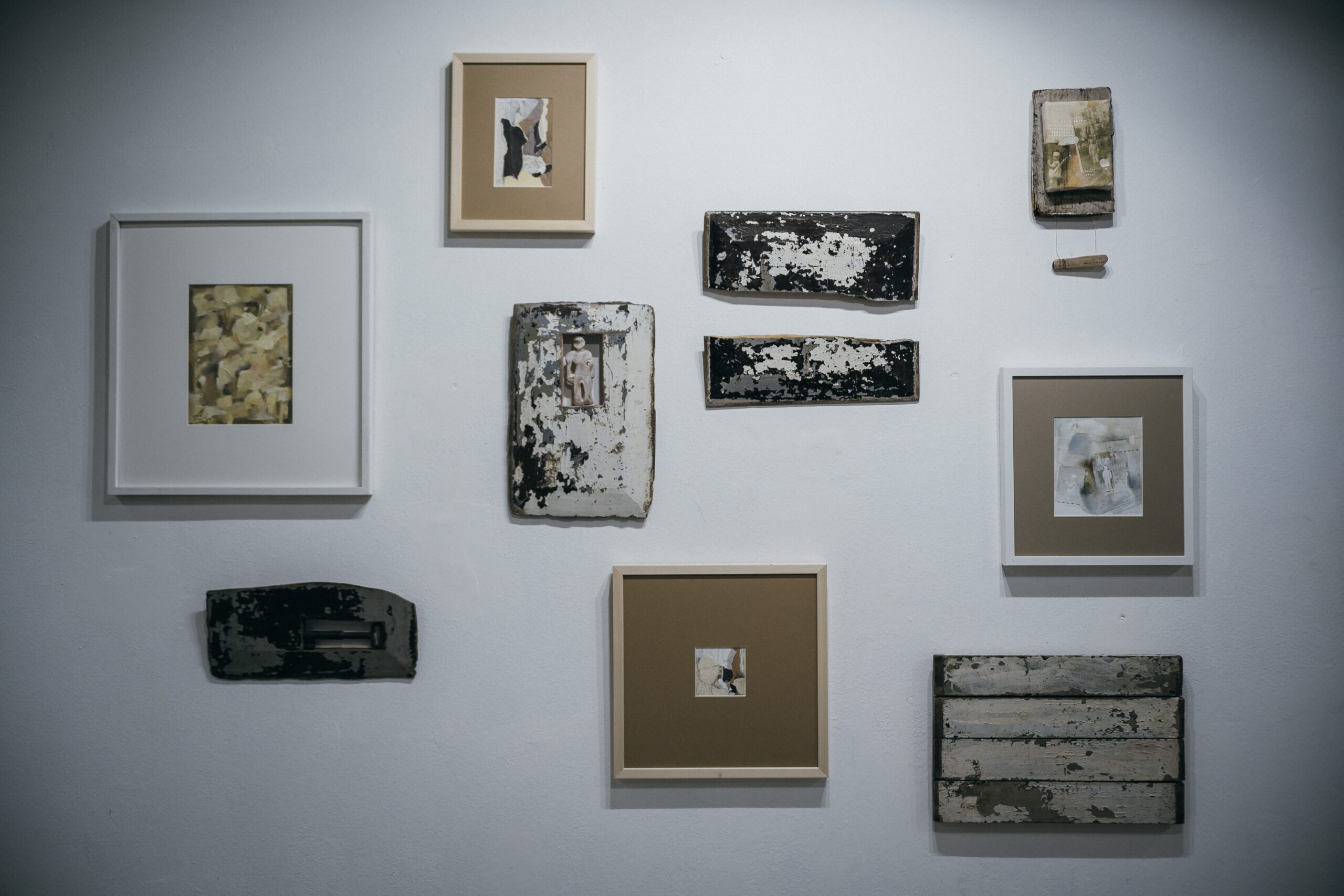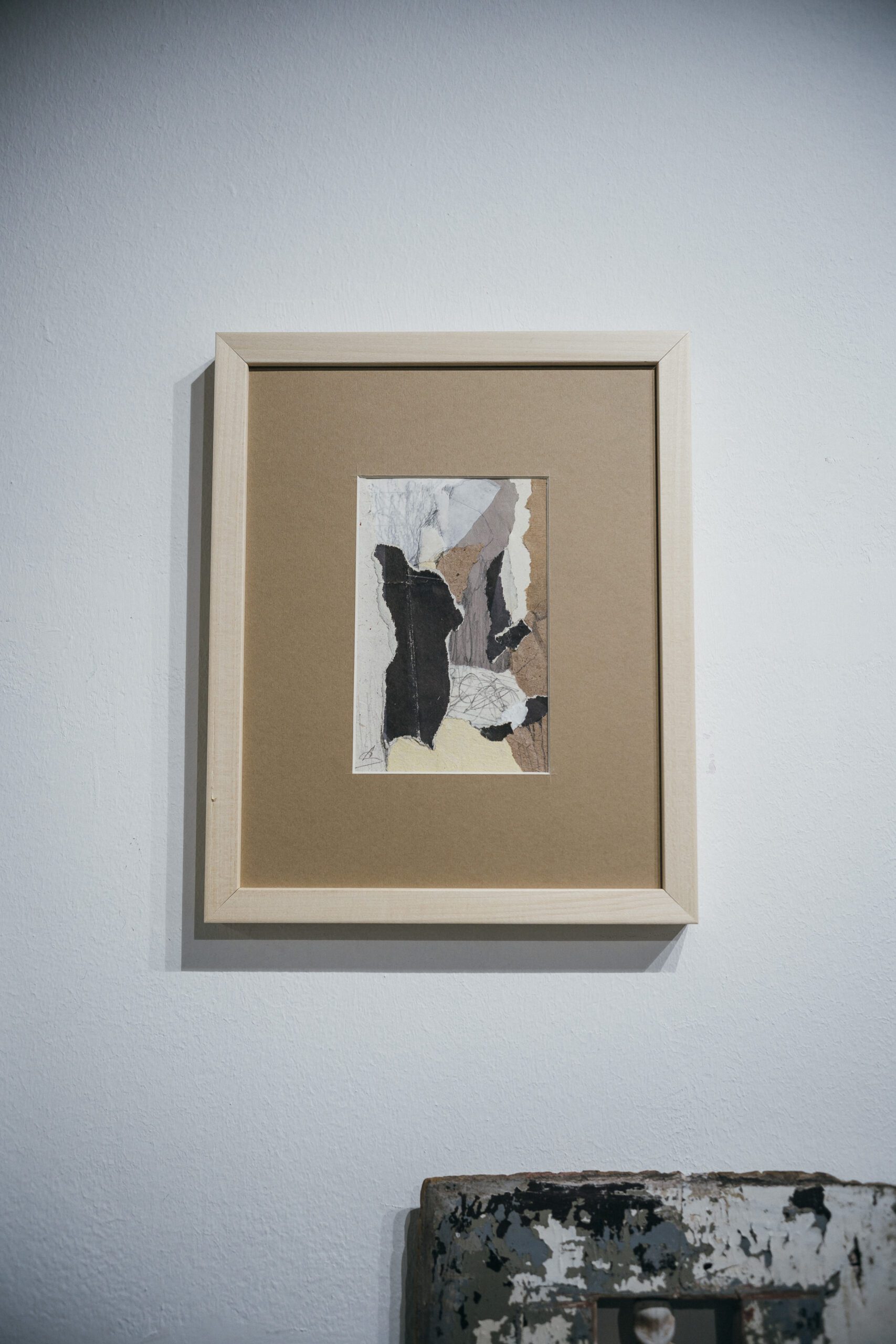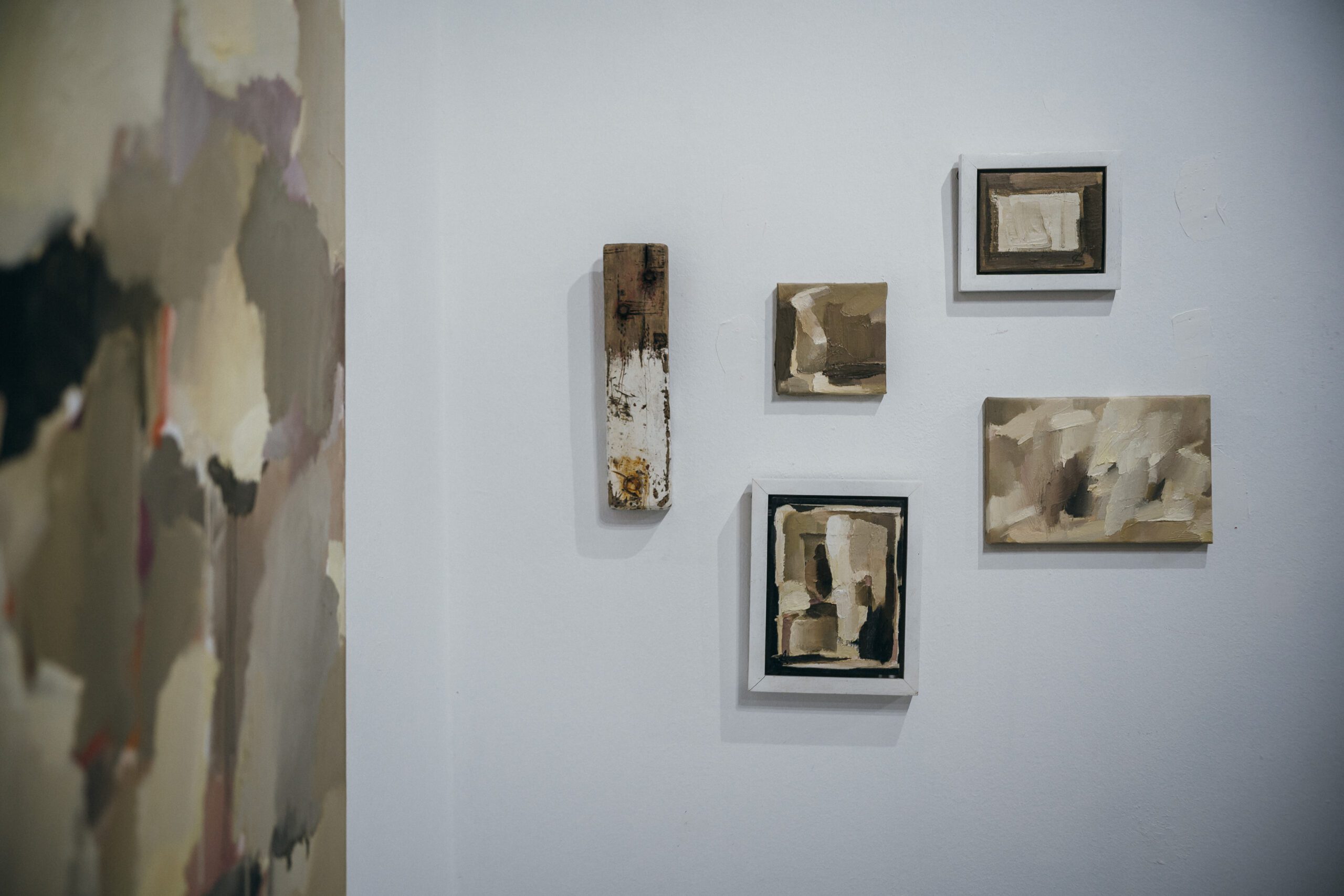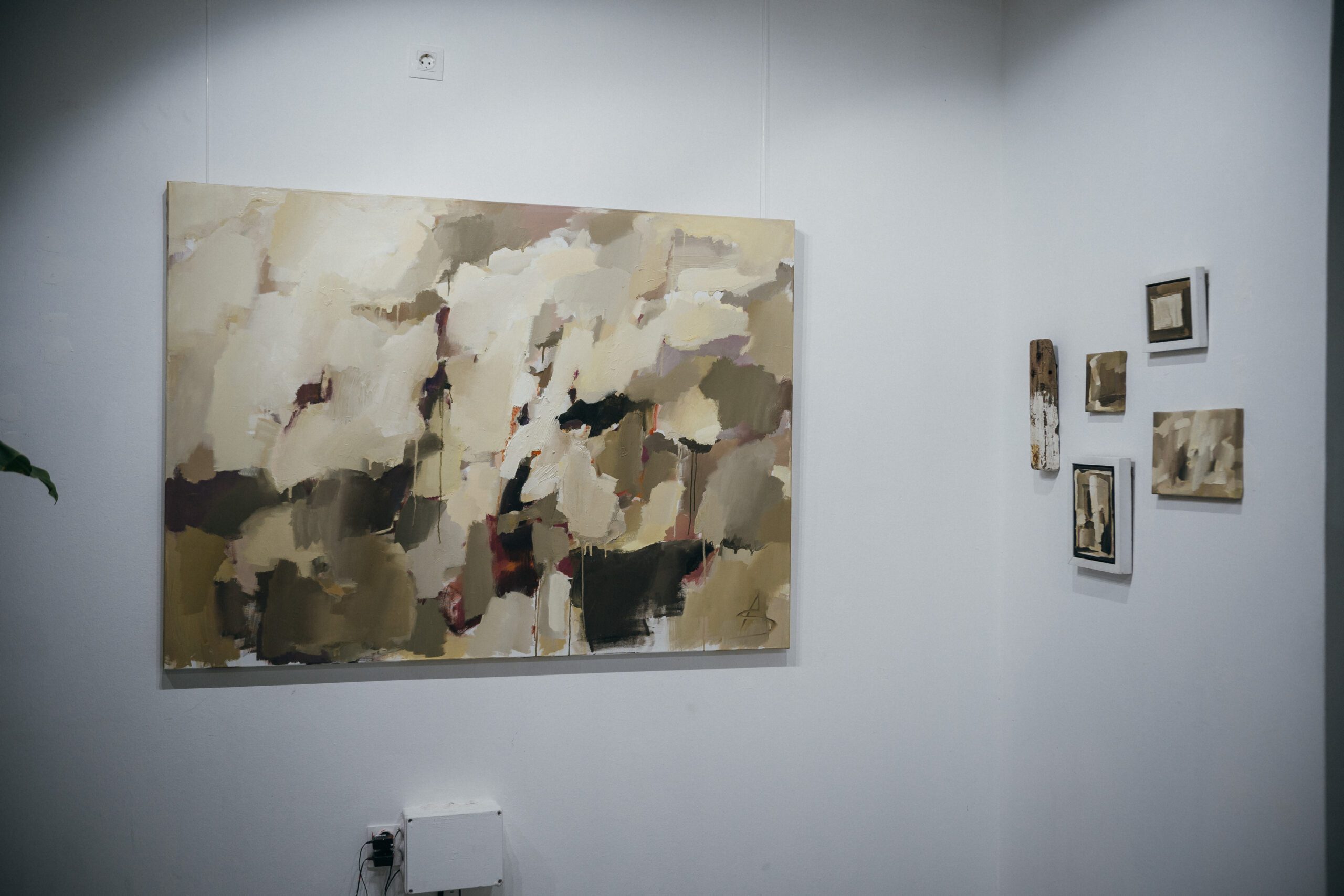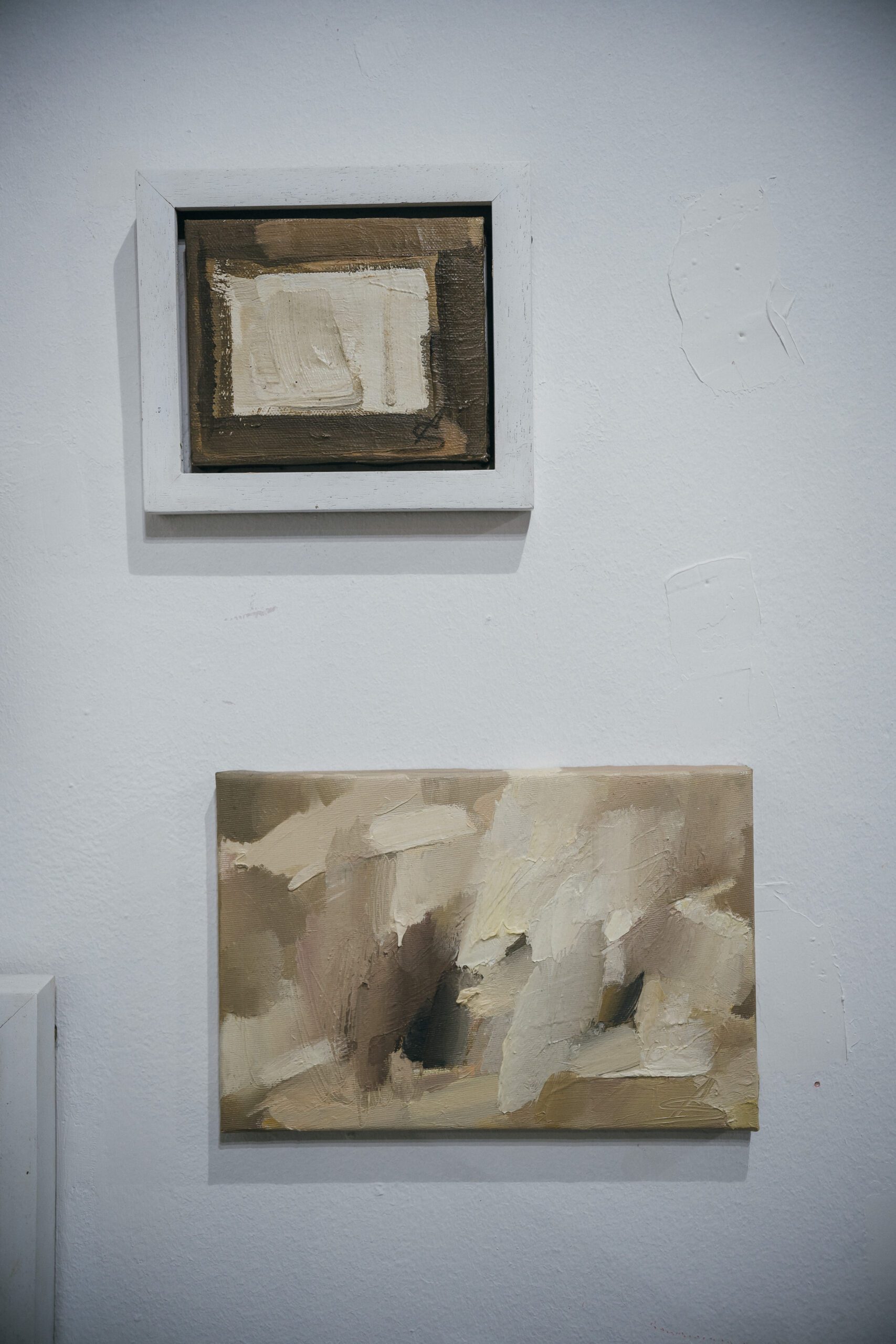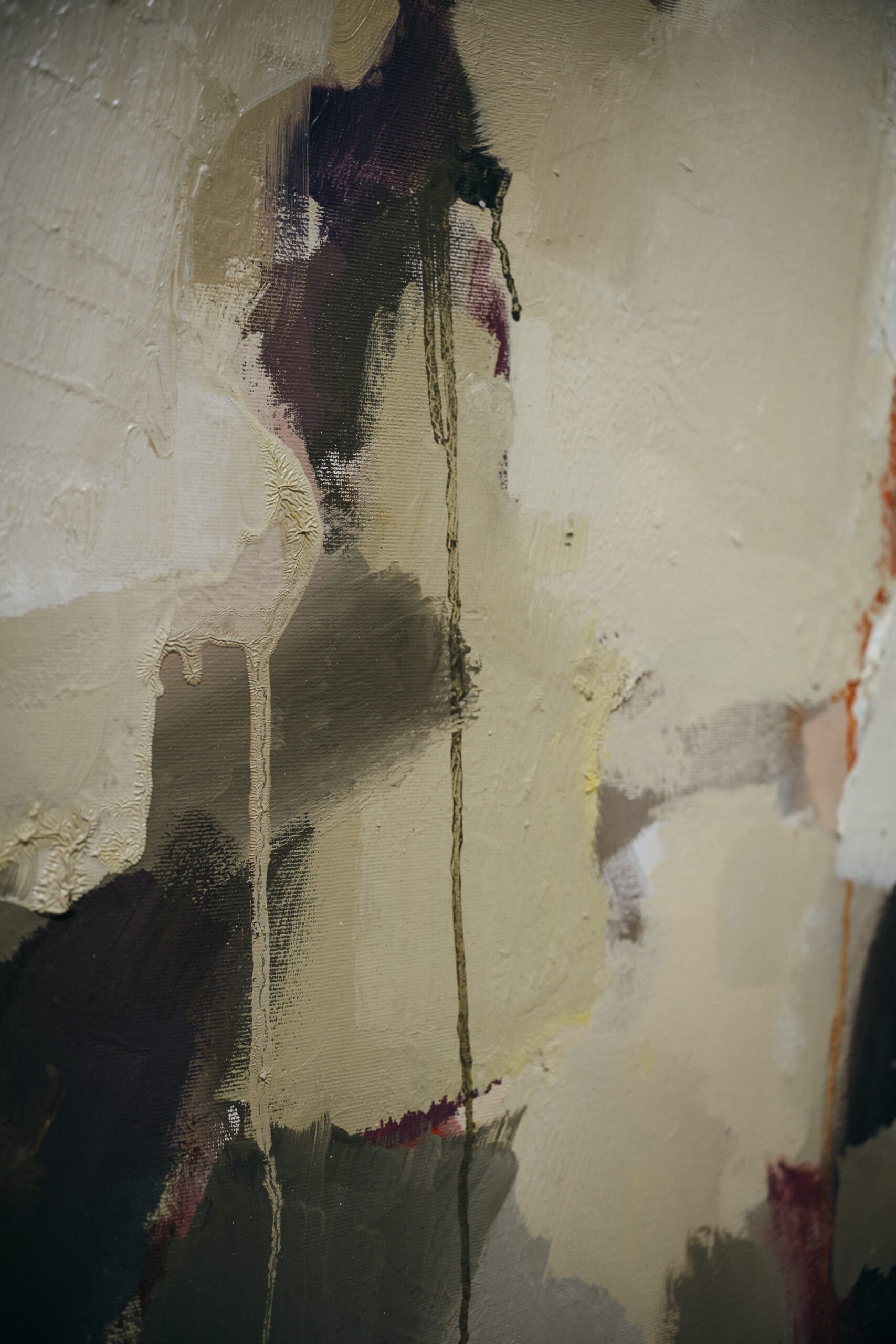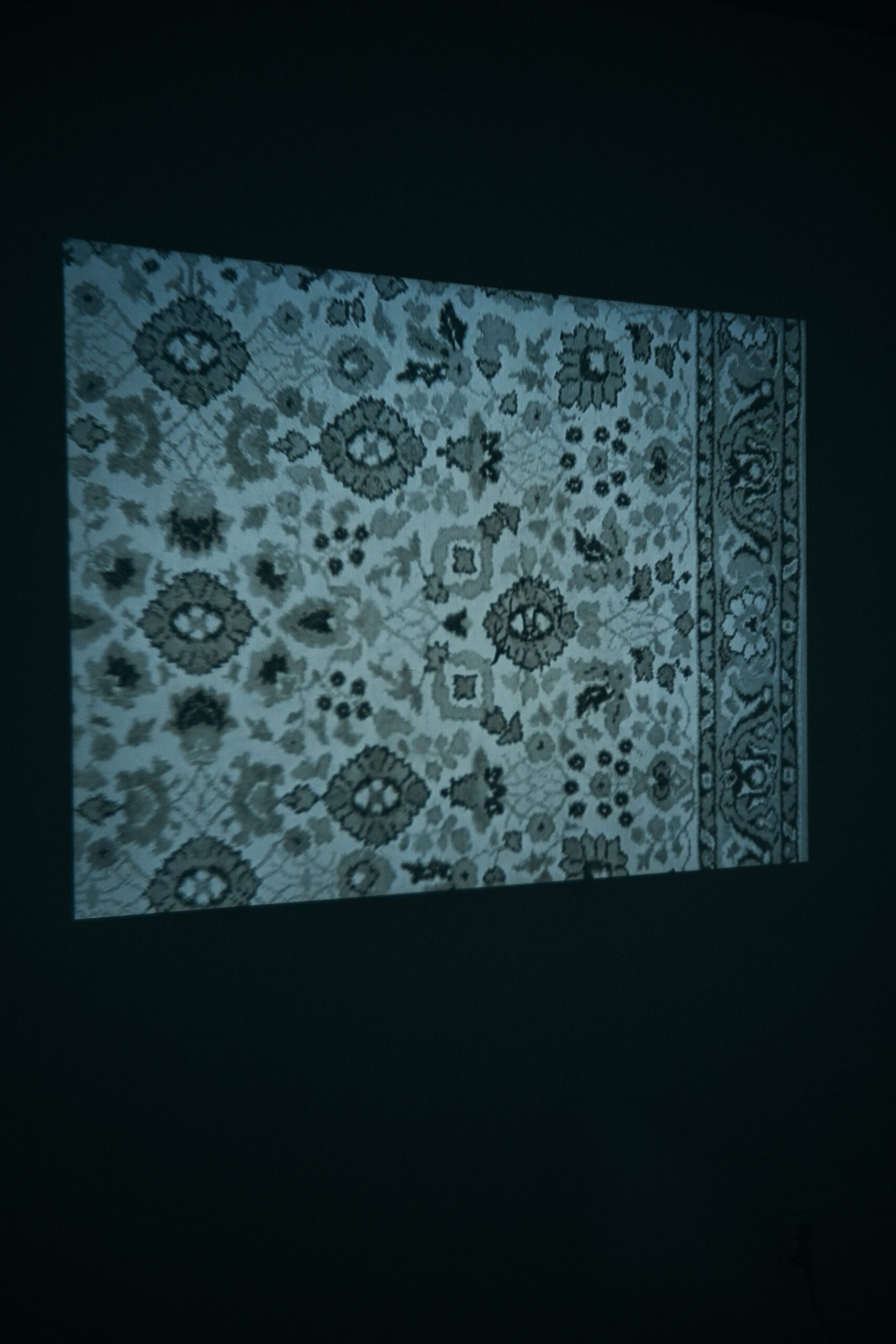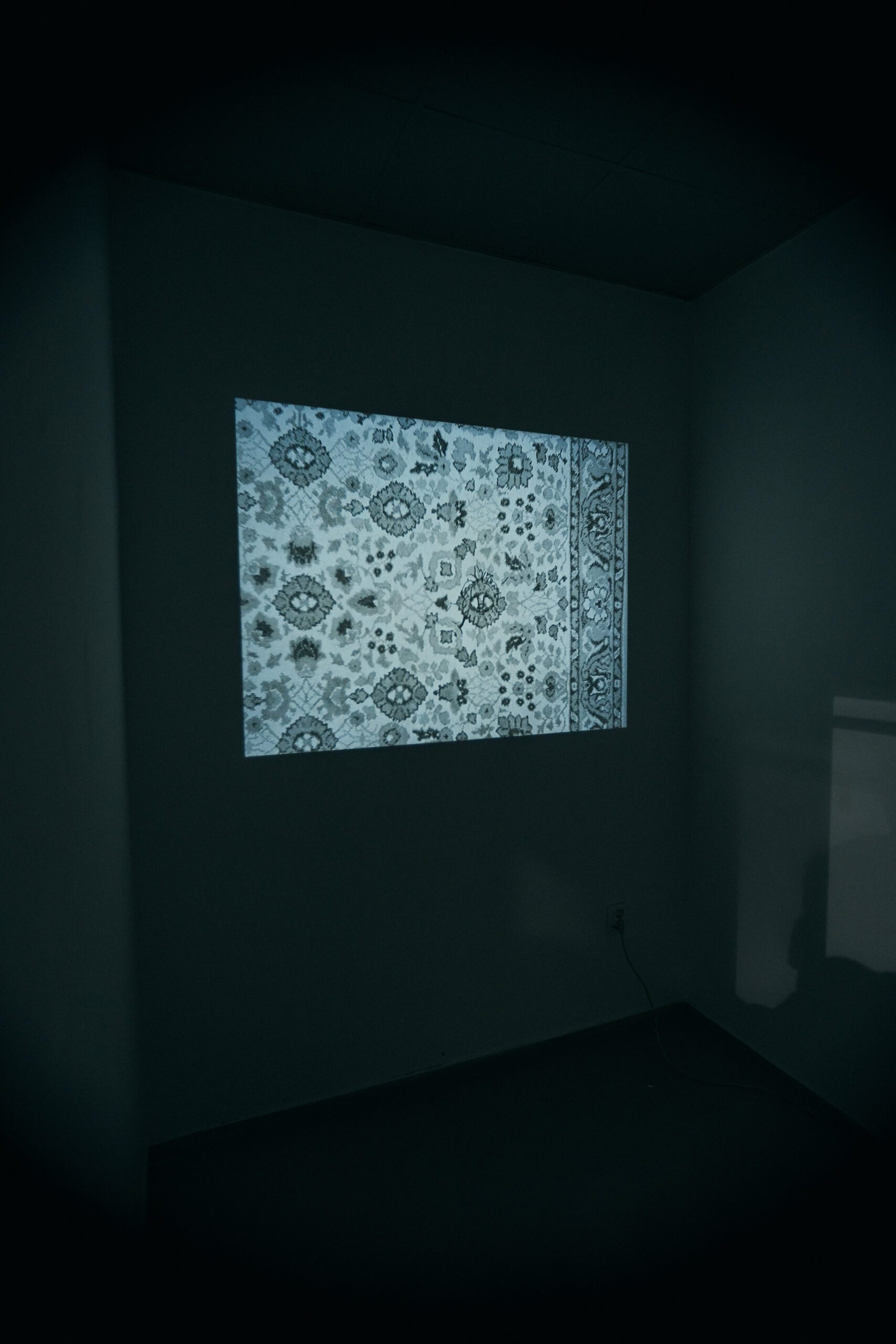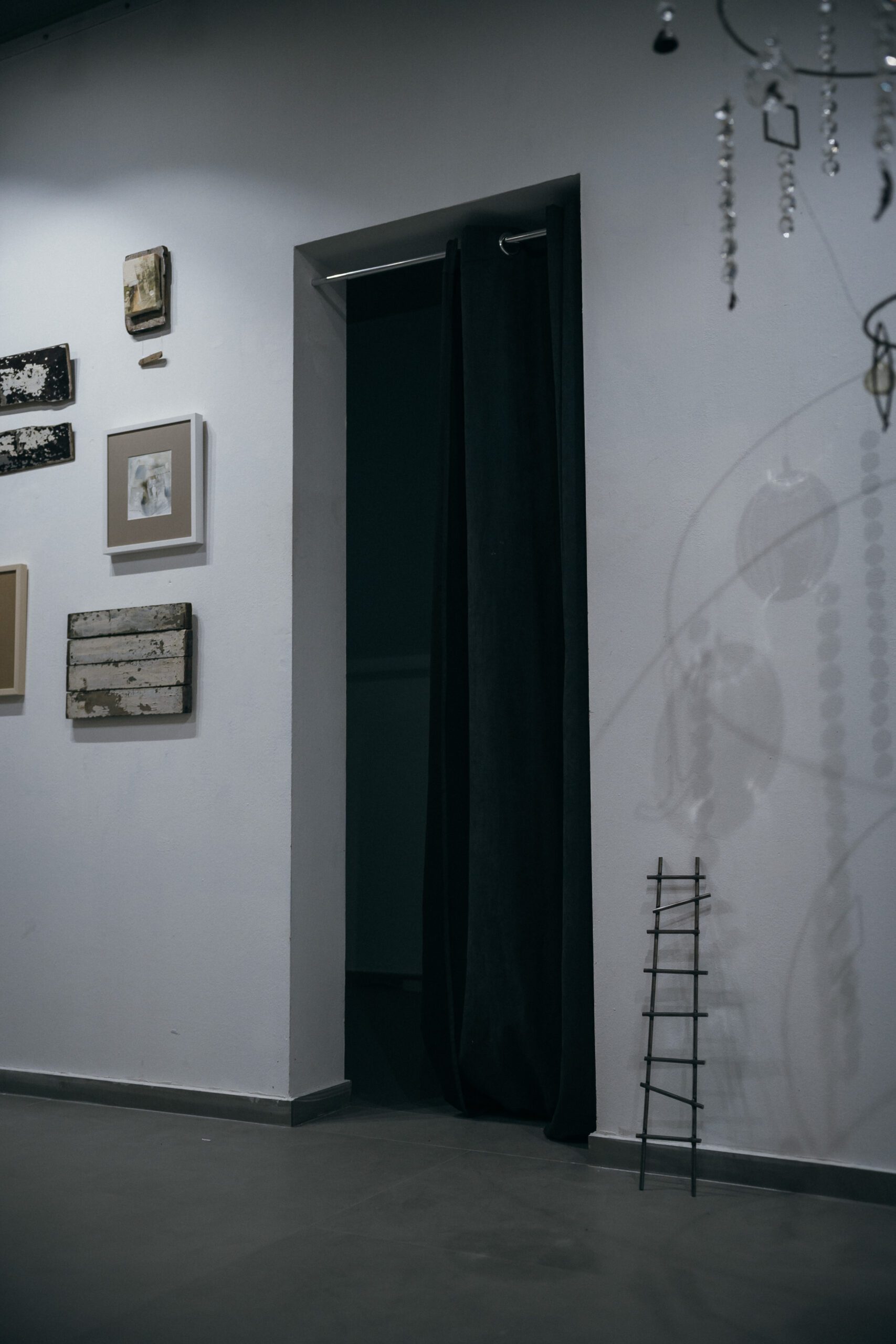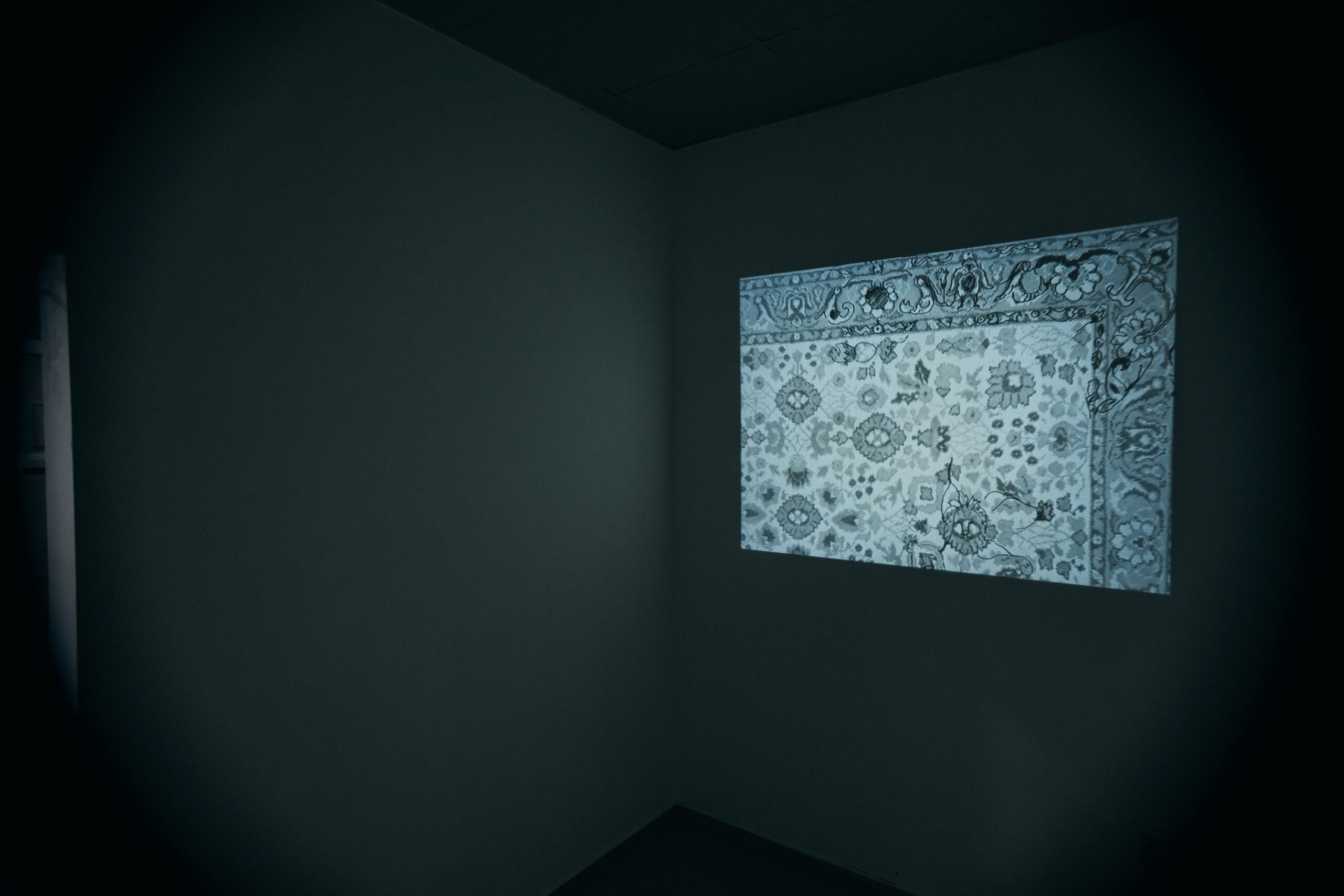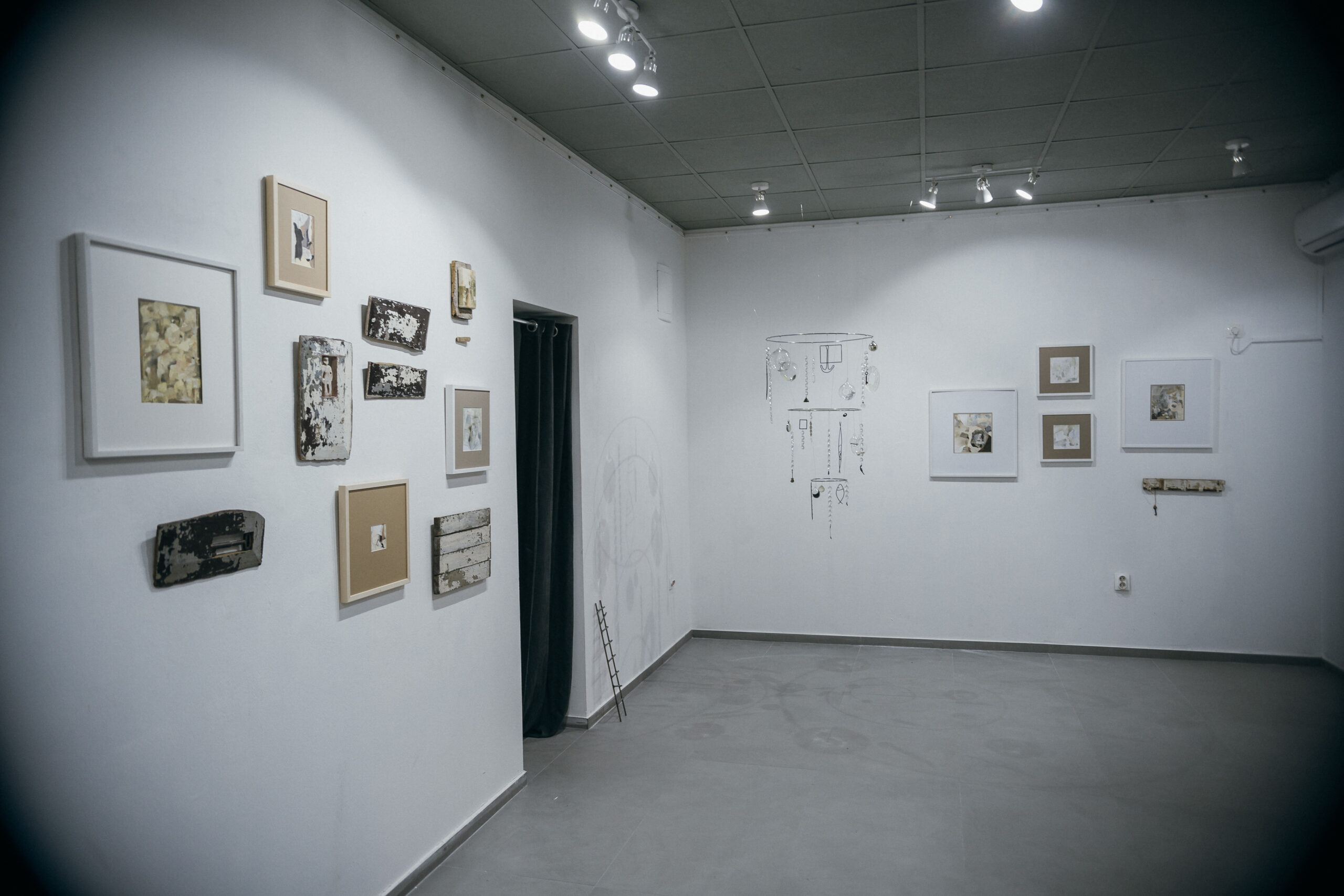
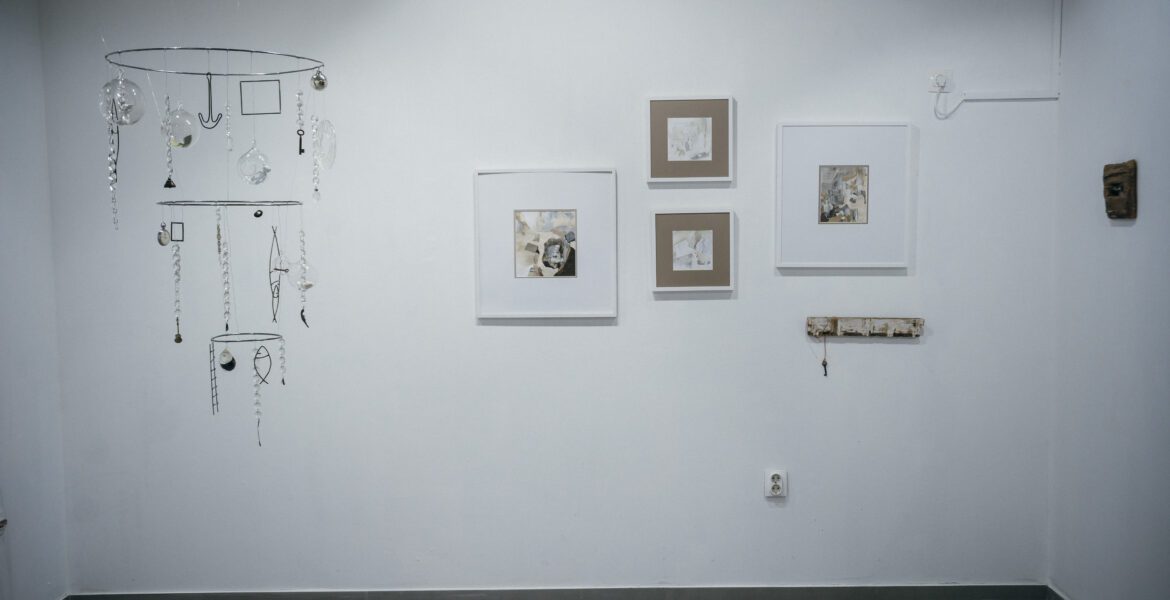
Over the past few years, the work of artist Anastasia Saut has been developing in the context of the process of emigration – leaving one’s birthplace, losing the concept of “home” as such, changing circumstances and methods of personal struggle. As part of her artistic research, Anna concludes that nostalgia can be viewed as a phenomenon in which strength and tenderness are born from wounds. The central piece of this exhibition and Anna’s entire project dedicated to the psychological concept of the “inner child” is the ambient work The Gift to Inner Child. The image of the carpet comes from the famous tradition that has survived in the post-Soviet space – hanging carpets on the walls as a sign of relative wealth in the midst of widespread poverty, which is a sign of belonging to a higher social class, but in reality it is just a deception. This, at first glance, strange element of Soviet culture for the younger generation has become a sequence of childhood memories, as part of the endless children’s fantasy before going to bed, which was able to single out, imagine the figures of animals and magical creatures in the carpet ornament. The multimedia work The Gift to Inner Child is an animation of a drawing in which the artist shows images that she noticed, imagined in this ornament during her childhood, as well as discarded, broken, old, mostly Yugoslav, toys found at the market in Belgrade. Elements of memories from two different cultures are united in the voice of the artist herself singing a lullaby, thus creating a transcultural sign, marking a generally known motif. Anastasija develops the idea of a “second childhood” in the series Second Childhood and Timeless-Timelessness. The object-assemblages include objects that the artist accidentally found, “framed” in pieces of old, dry wood that recall the sacred secrets of the children's universe, carefully selected, preserved and later forgotten sentimental stories. Overcoming the time gap between childhood and adulthood, as well as the final unification of the “inner child” and the “inner adult” – based on all this, one of the latest projects Call your Childhood is created. Using a combination of technologies and the almost forgotten form of an old landline phone, Anastasija creates an interactive installation whose goal is for the viewer to call their own or any other number they remember from their childhood. Who will answer? Probably, the best period of your life. The sound of a carefree existence. The goal of the exhibition The Place I Always Carry With Me is to create, based on the childhood memories presented in the works, the phantom space of a children's room or a room of children's memories - something generally known to everyone, but also personal for everyone. A space in which childhood memories do not turn into painful sadness for the lost sense of permanence and security, but become a support for the search for security and self-confidence within oneself, and not in external sensations. Since childhood is usually considered a period of vulnerability and fragility, with her project the artist provides the opportunity for the sadness for bygone times, missing people from the past and for home as such to become
a supporting force and to create some other universe where perhaps none of us ever left that home.
Text: Veronika Podryadova
Anastasija Saut
Born in Riga, Latvia. Since 2024, she has lived in Belgrade. The interdisciplinary approach in Anastasia's artistic practice is based on her experience as a psychologist and artist. Her current focus is on multimedia installations that include the creation of art objects, paintings, collages, graphics and video works. Anastasia combines her education as an artist and psychologist during her studies at the Moscow Museum of Contemporary Art. Since 2010, she has been engaged in artistic research on socially significant topics. She has participated in international contemporary art biennials, numerous solo and group exhibitions in Europe, America, Great Britain and Russia, and international artist residencies. She creates art catalogs and artist books.
Veronika Podrjadova
Born in Yekaterinburg, Russia. Since 2023, she has lived in Belgrade. In 2023, she graduated in Art History from the Ural Federal University. During her studies in Russia, she was a curator of numerous exhibitions and art projects. In 2024, she completed her master's degree in Art History at the Faculty of Philosophy, University of Belgrade. She is currently pursuing her doctoral studies at the same faculty and is working on the topic of international exhibition exchanges, as well as the study of Yugoslav conceptual art. She is an associate of the Museum of Contemporary Art in Belgrade.