Dream regime: Under one’s own watchful eye
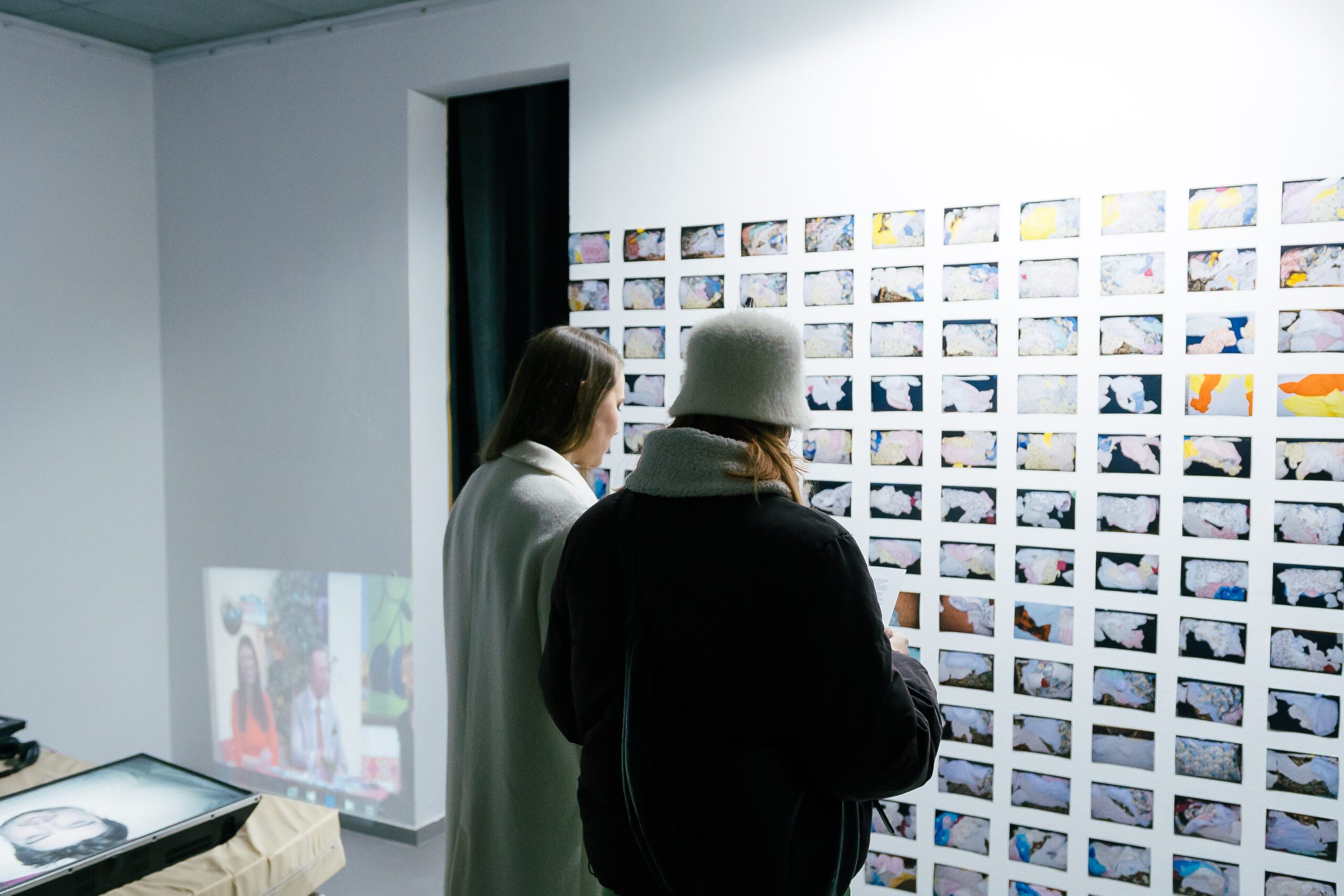
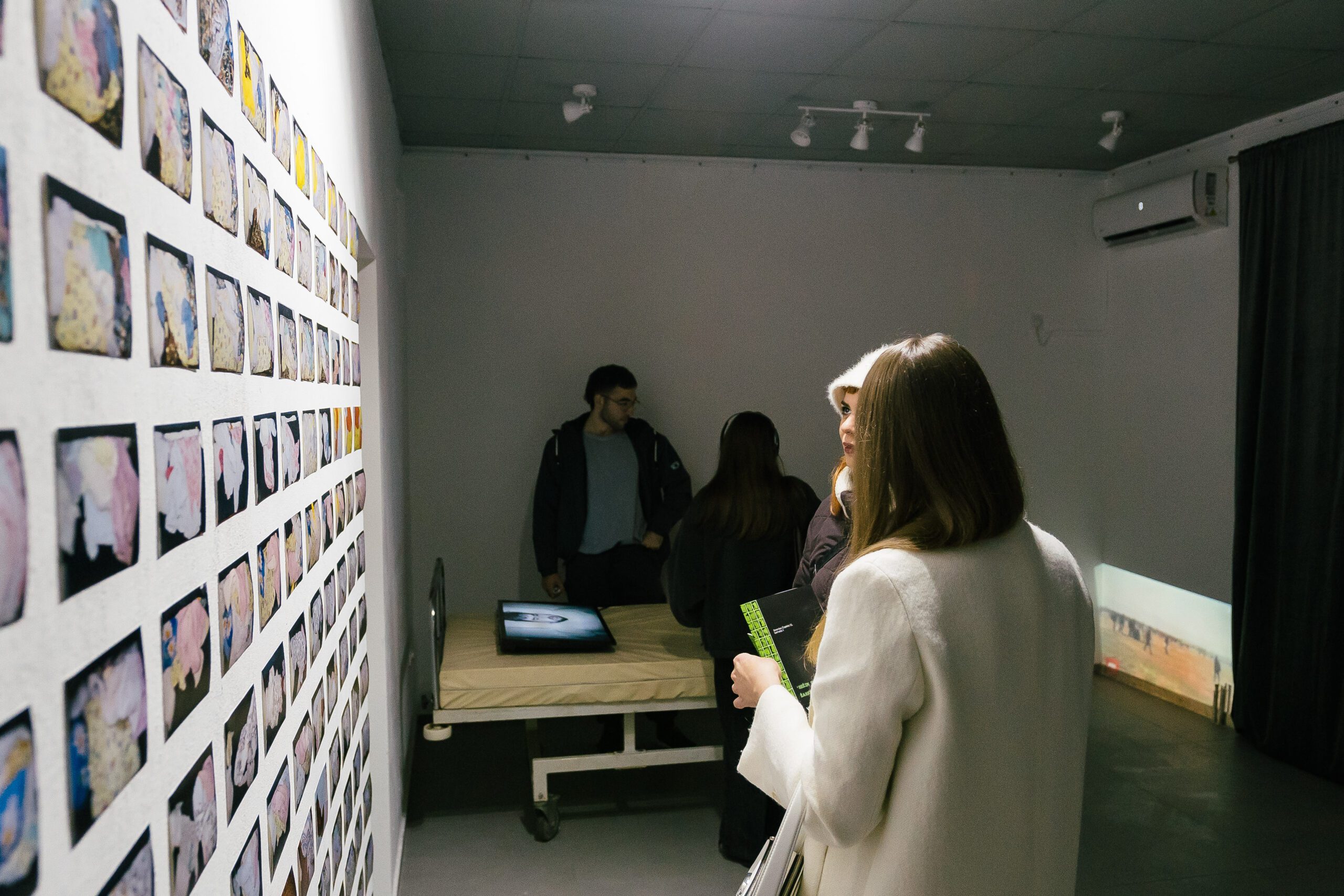
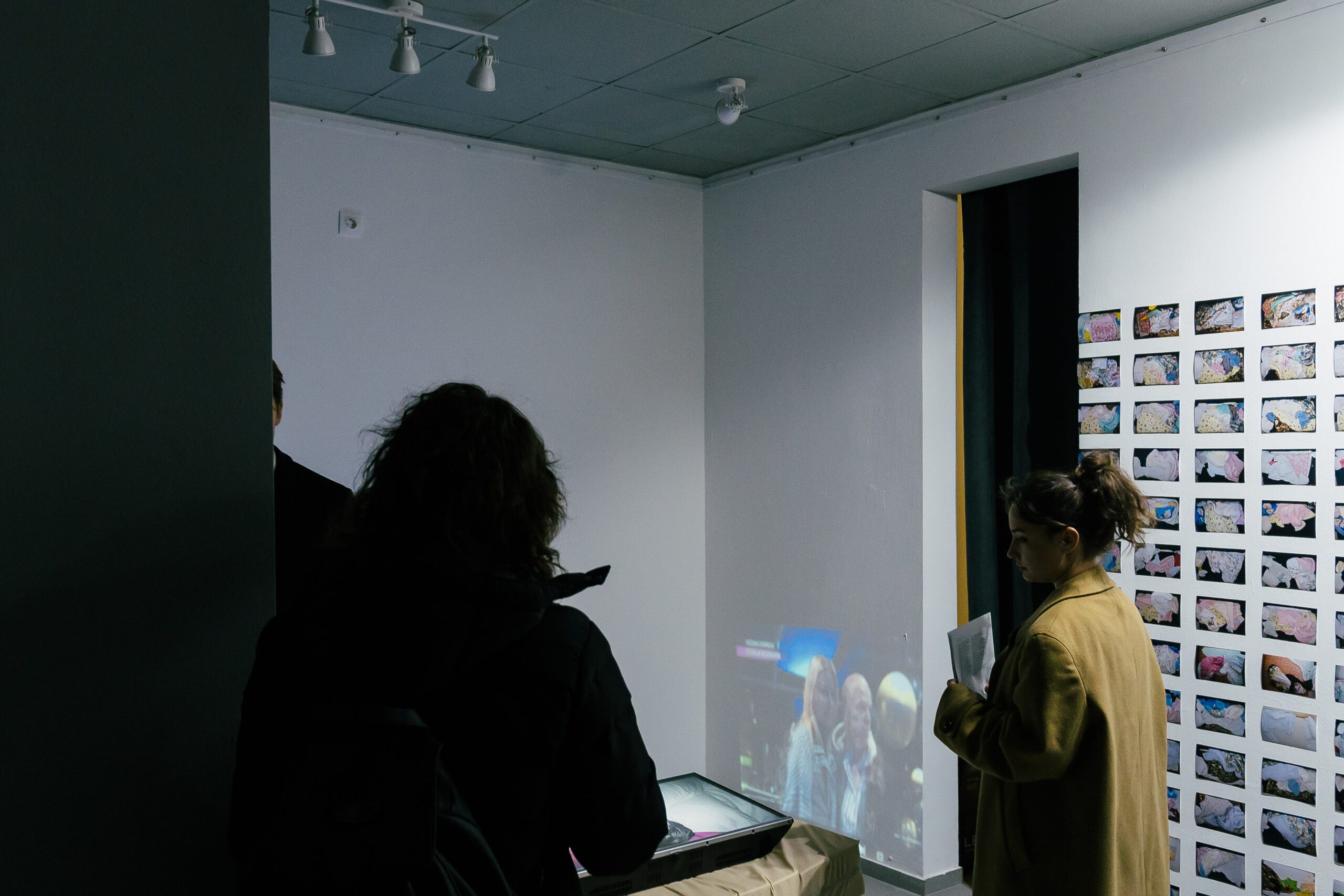
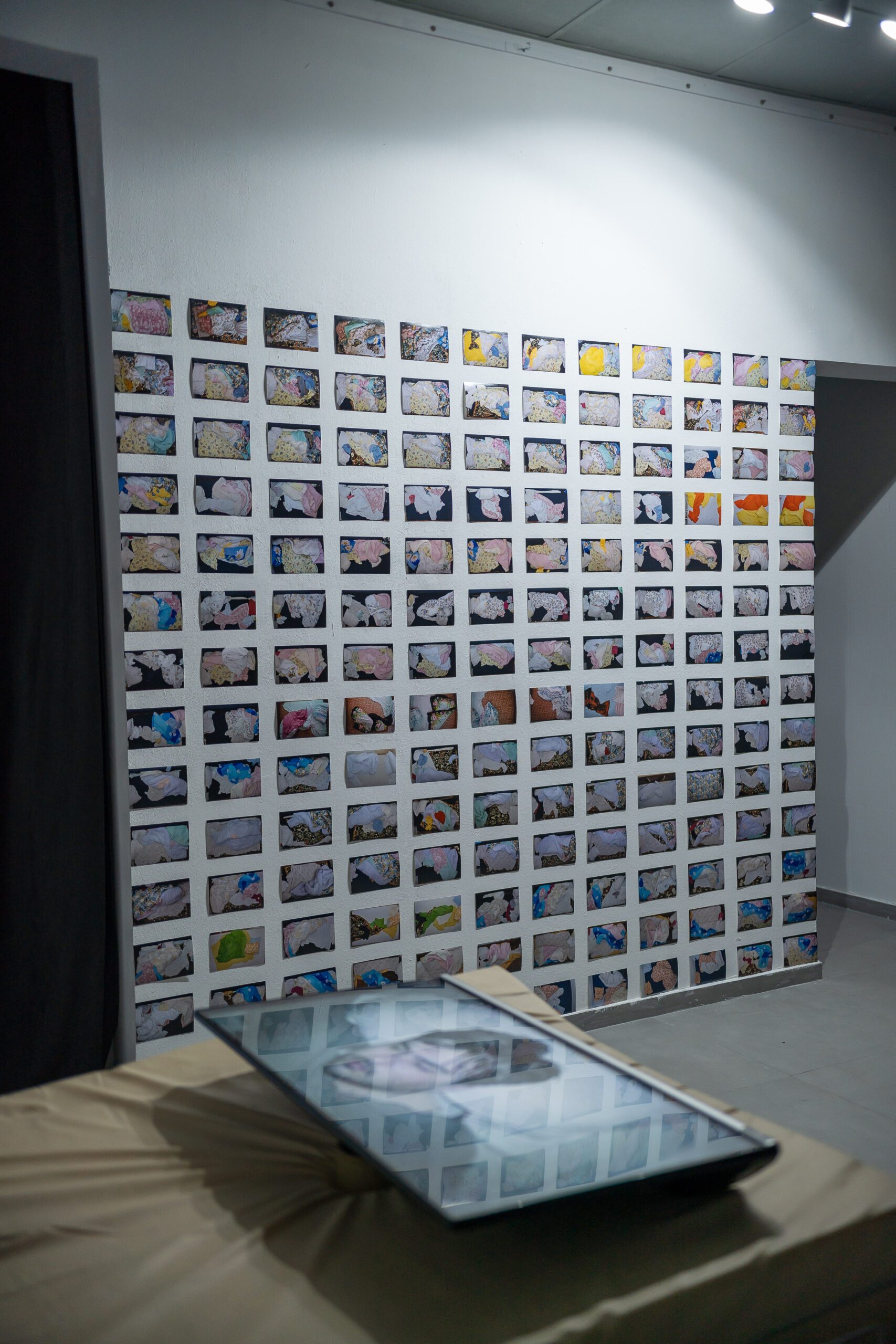
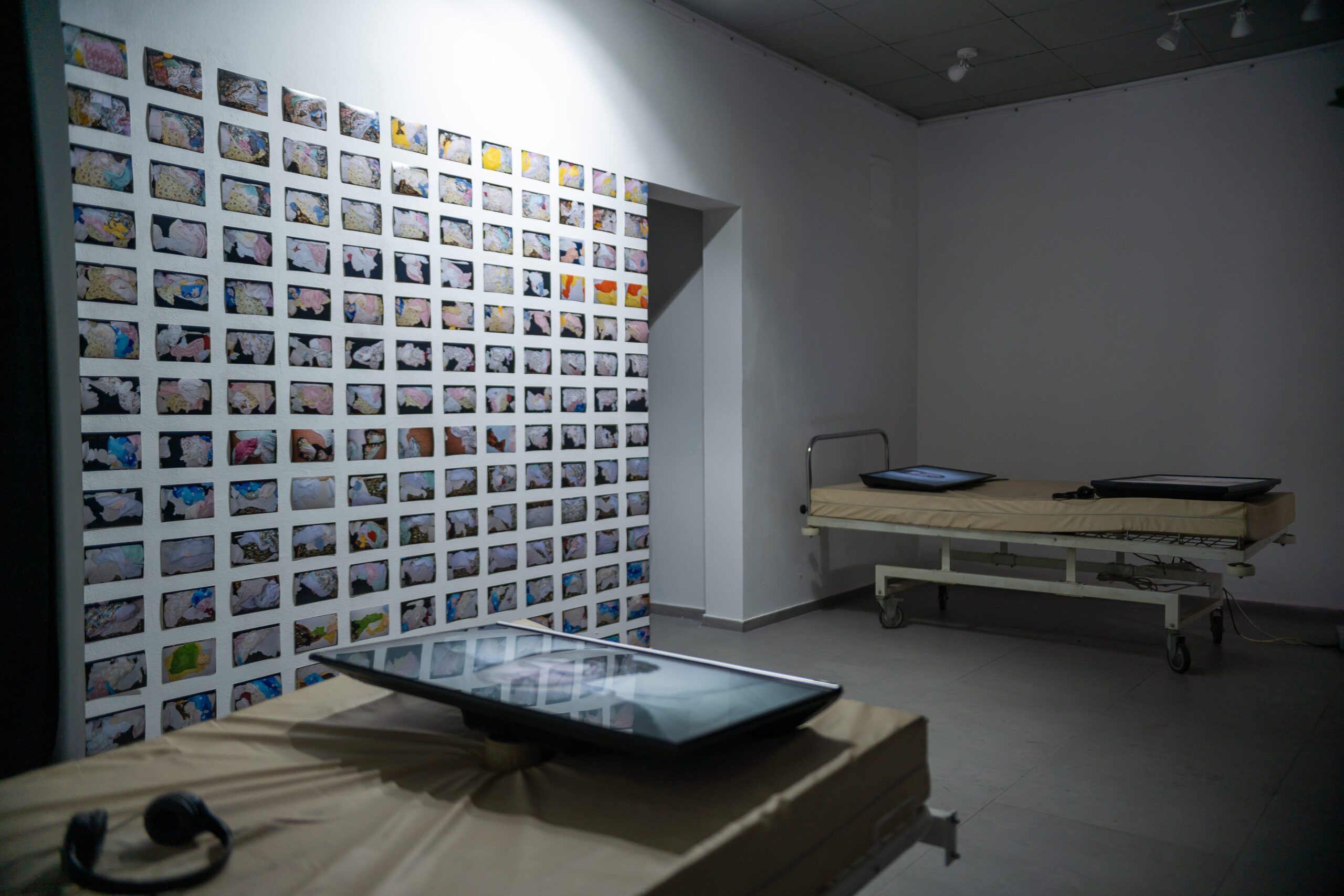
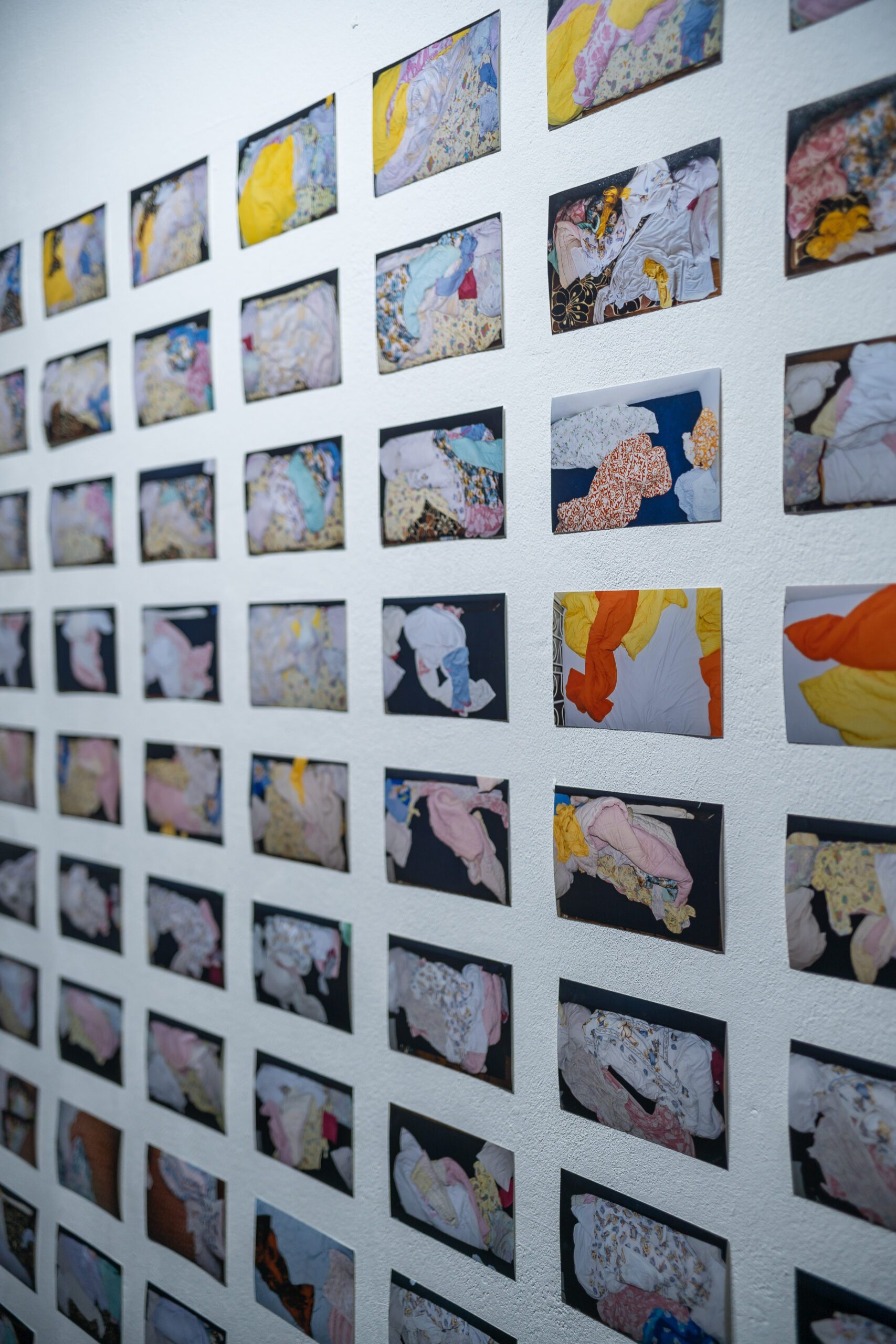
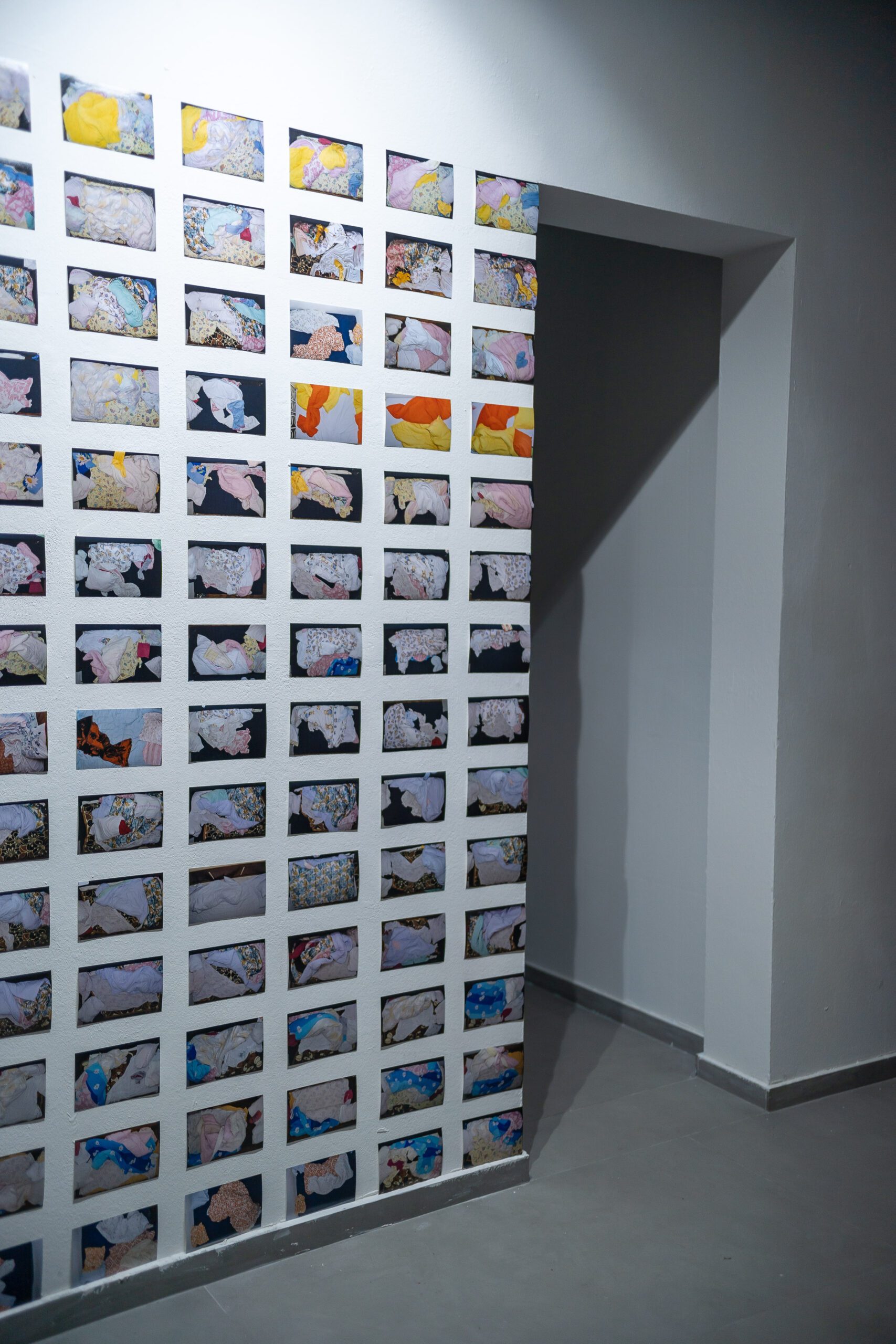
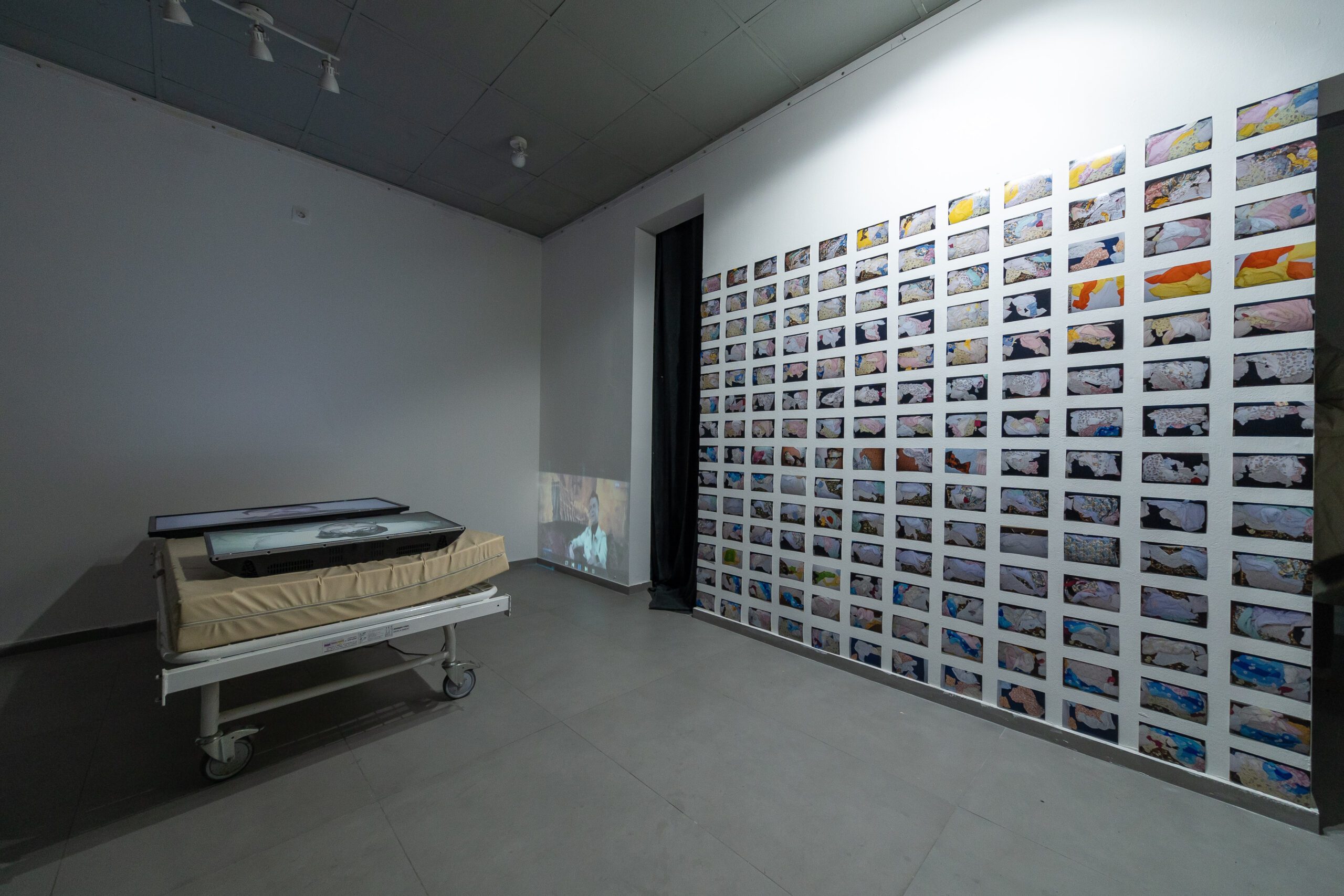
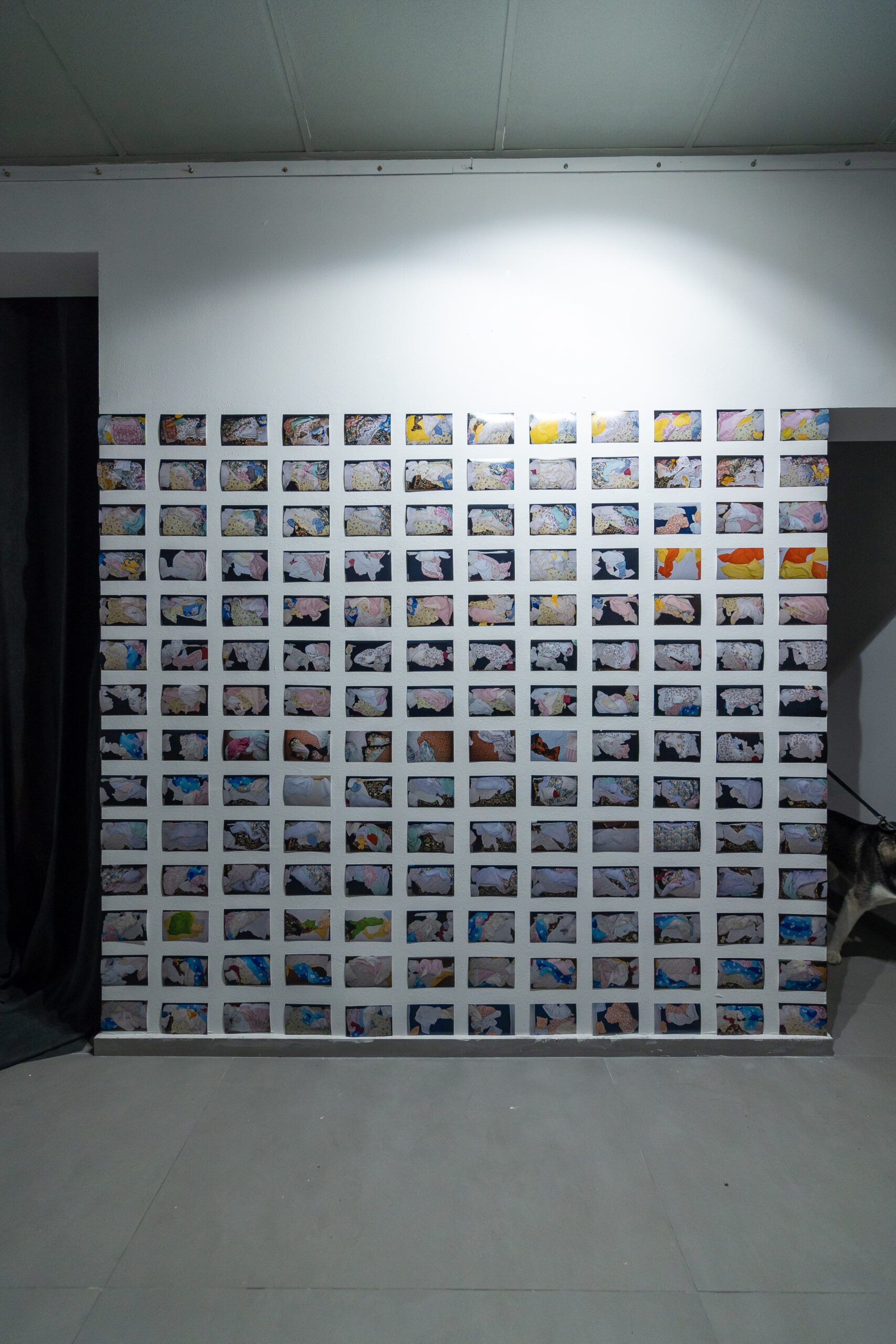
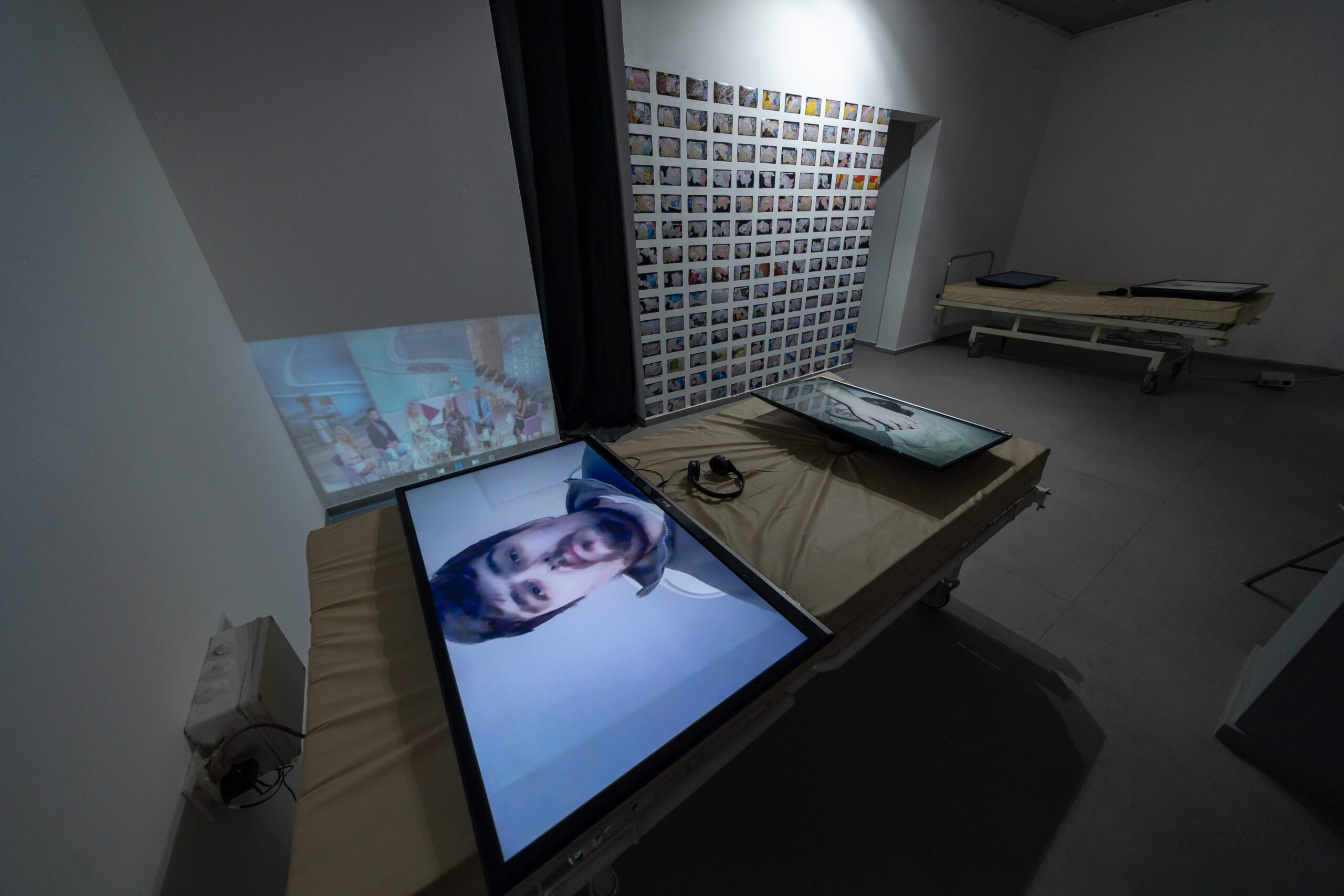
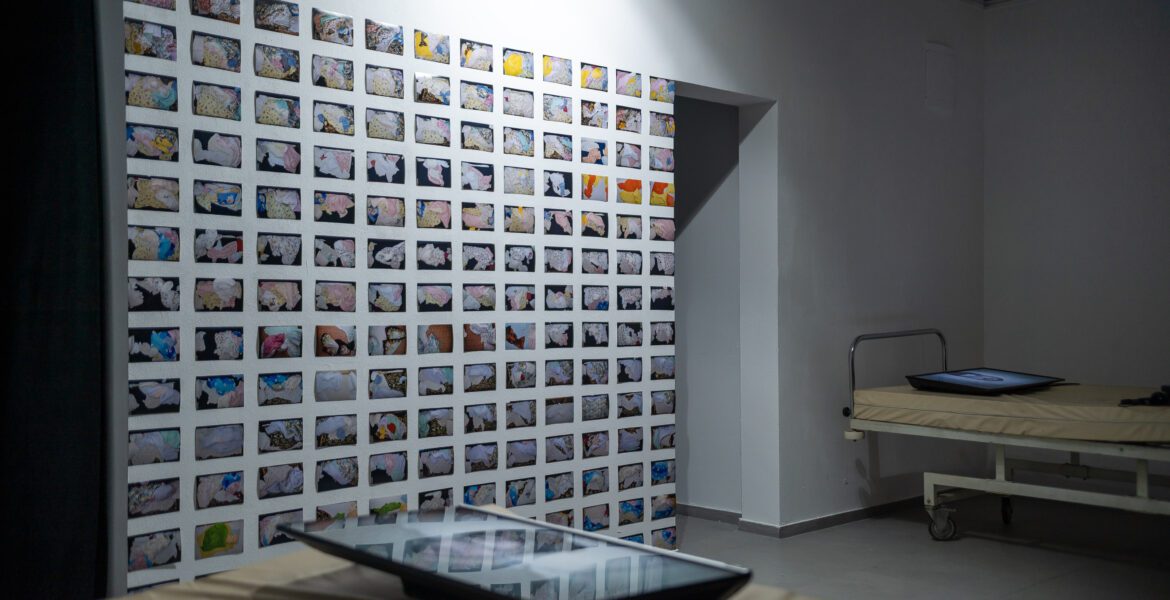
The use of personal life as a pretext for artistic practice in the works of Žarko Aleksić delves deeply into the intimacy of the dreamer. Hence, the exhibition *Dream Regime* encompasses three existing works in which the phenomenon of dreams is examined in its different manifestations: through the physical imprint of the body on bedding (an installation of 168 photographs titled *Dreamers*), the influence of mass media information on
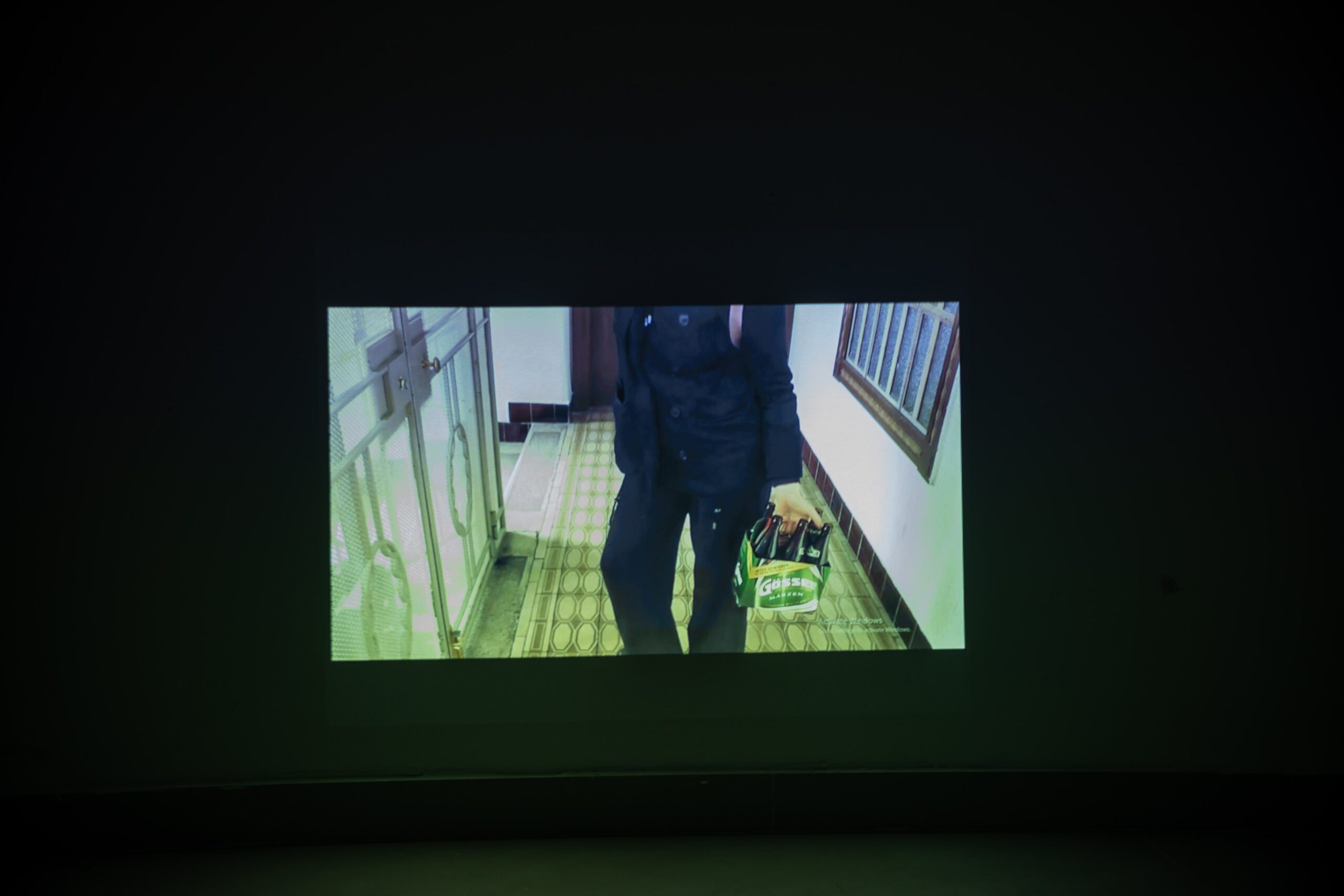
(the collective) subconscious (a multi-channel video installation *Dream Regime – REM*), and the metaphorical understanding of dreams as the reverse side of expectations and hopes (video work/film *Bottles for Bread*).
While *Dreamers* documents the last six months the artist spends in Serbia before moving abroad for studies, *Bottles for Bread* records the first six months in a new environment, Vienna. *Dream Regime – REM*, however, has a more general starting point and builds its premises about control in cognitive capitalism on the unexpected homonymy of the word REM—referring both to the phase of sleep in which dreams are most intense, and to the Regulatory Body for Electronic Media in Serbia.
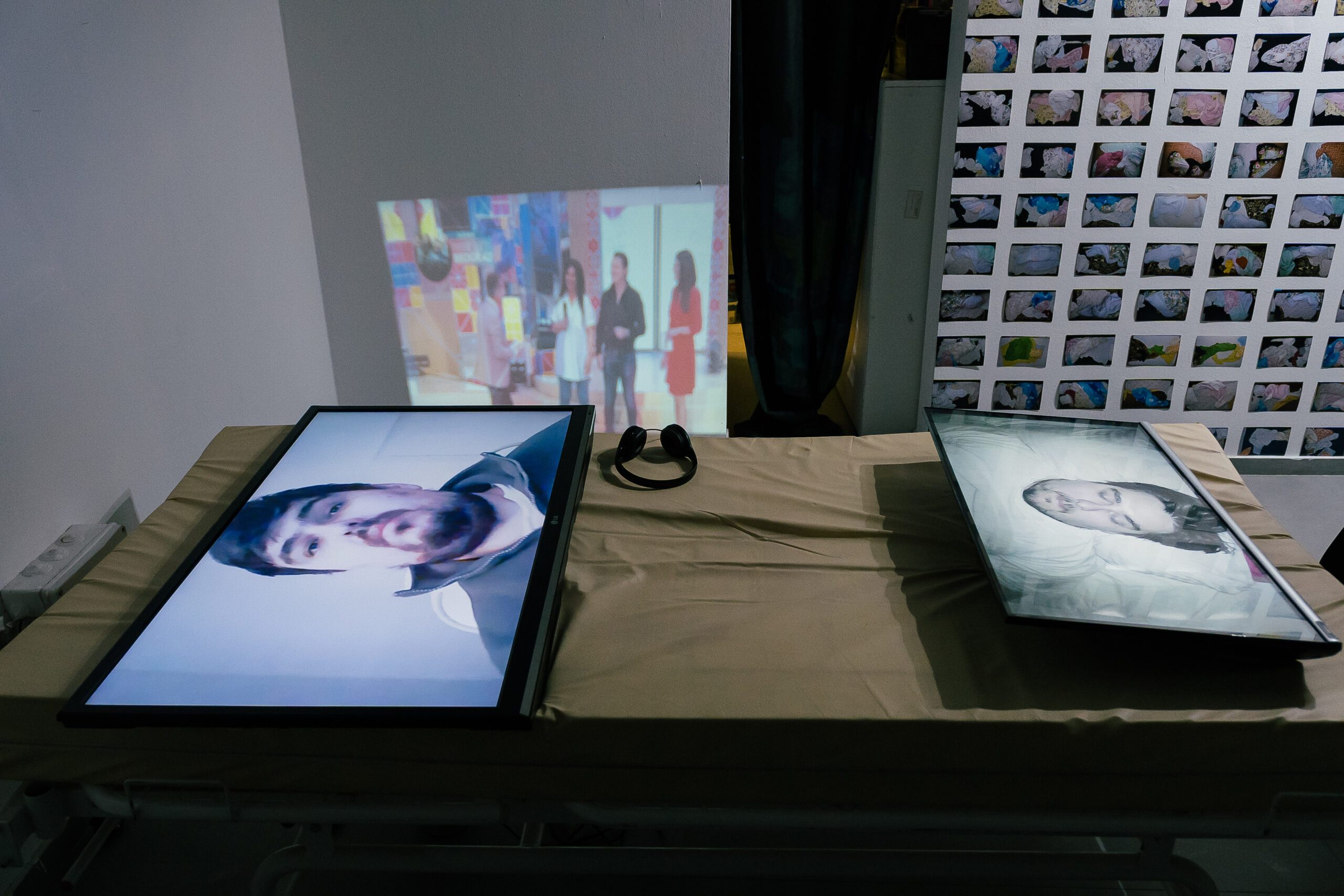
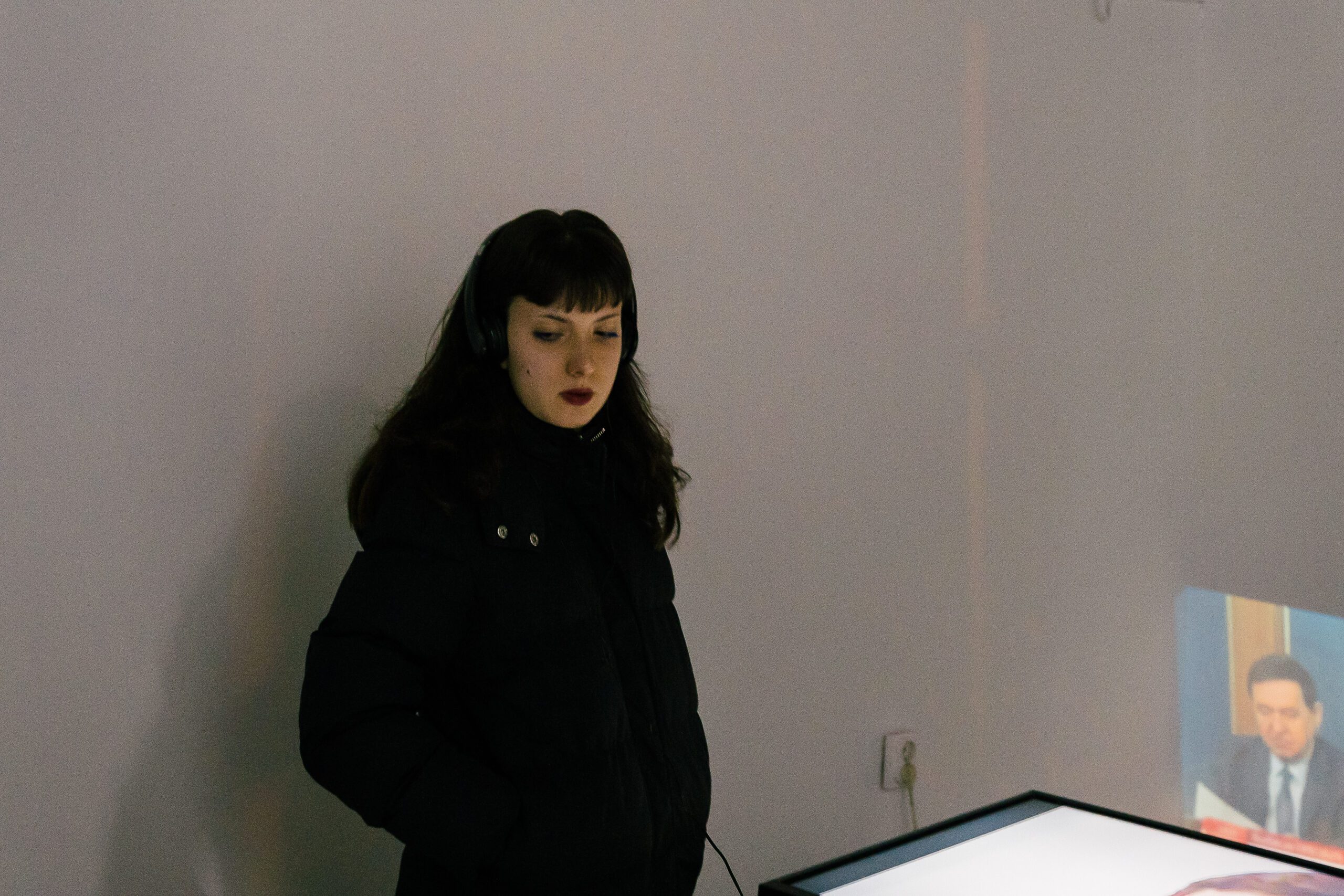
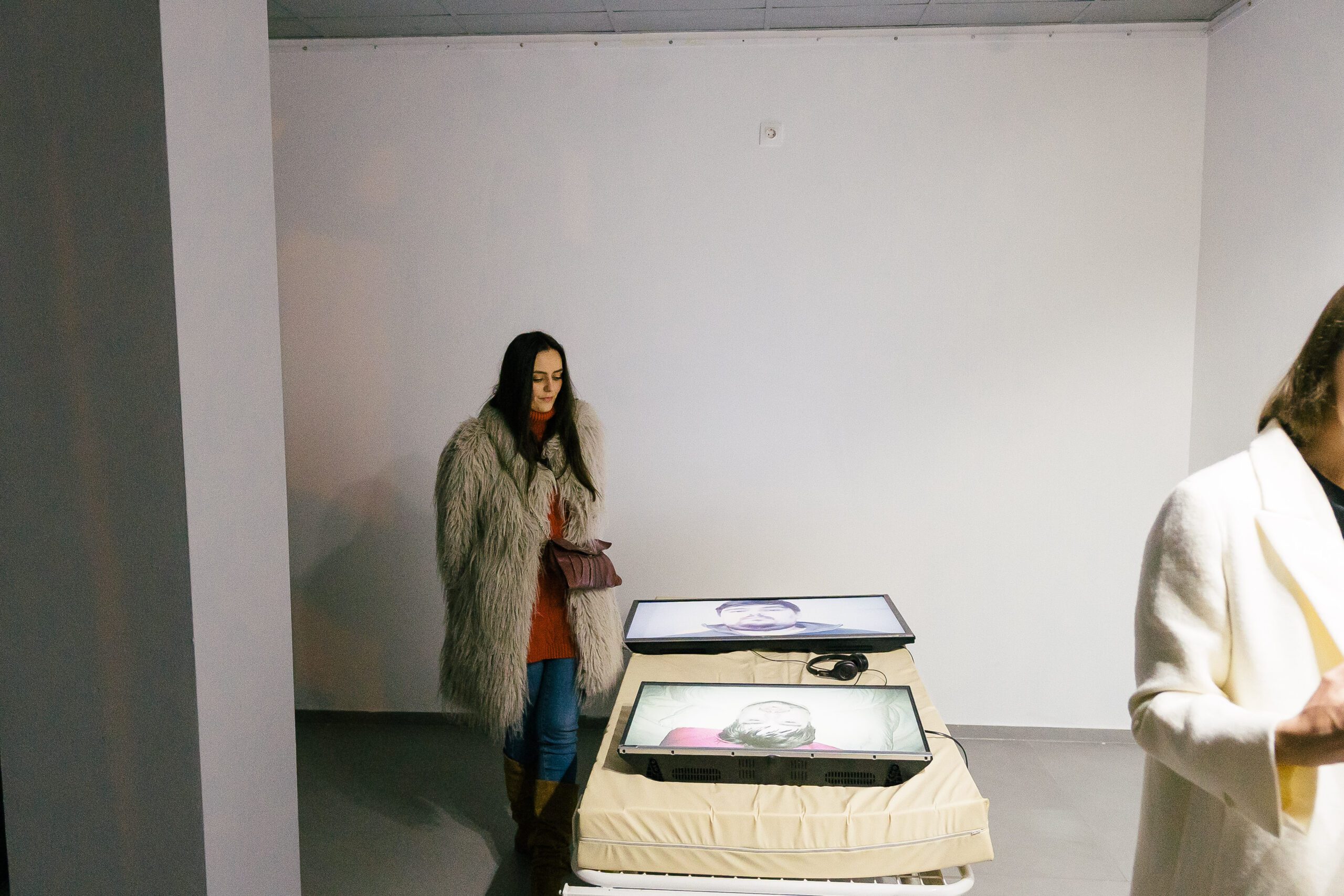
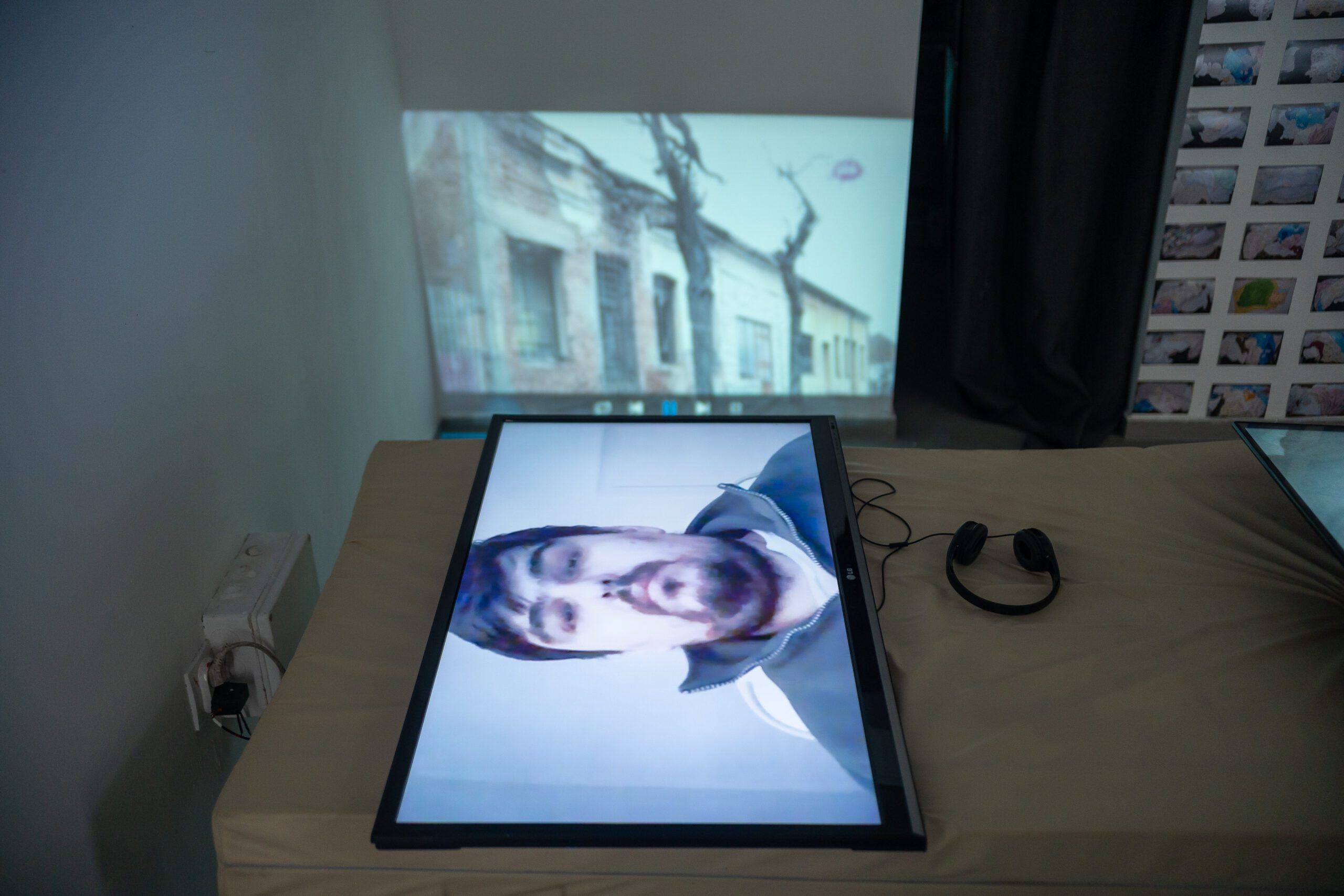
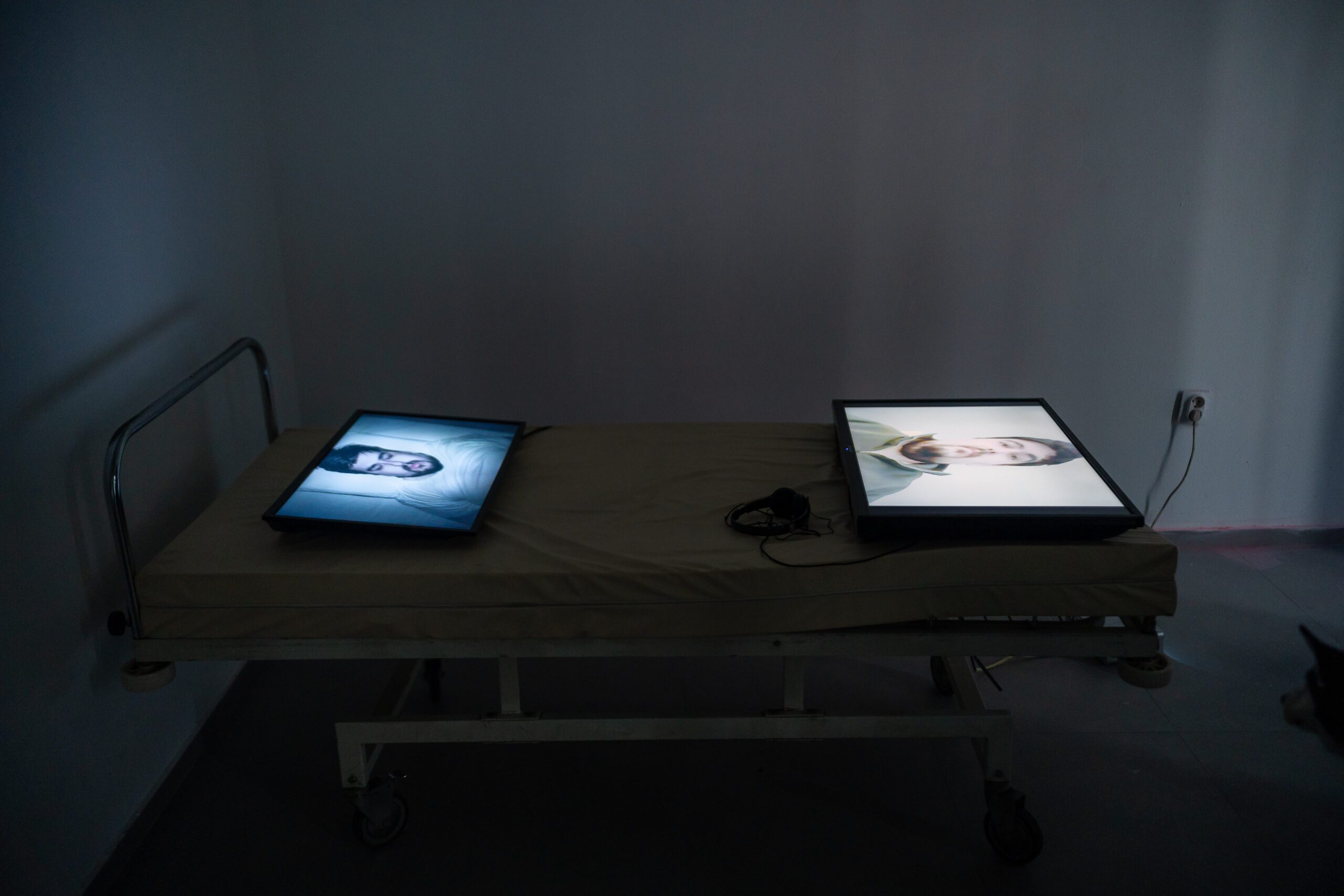
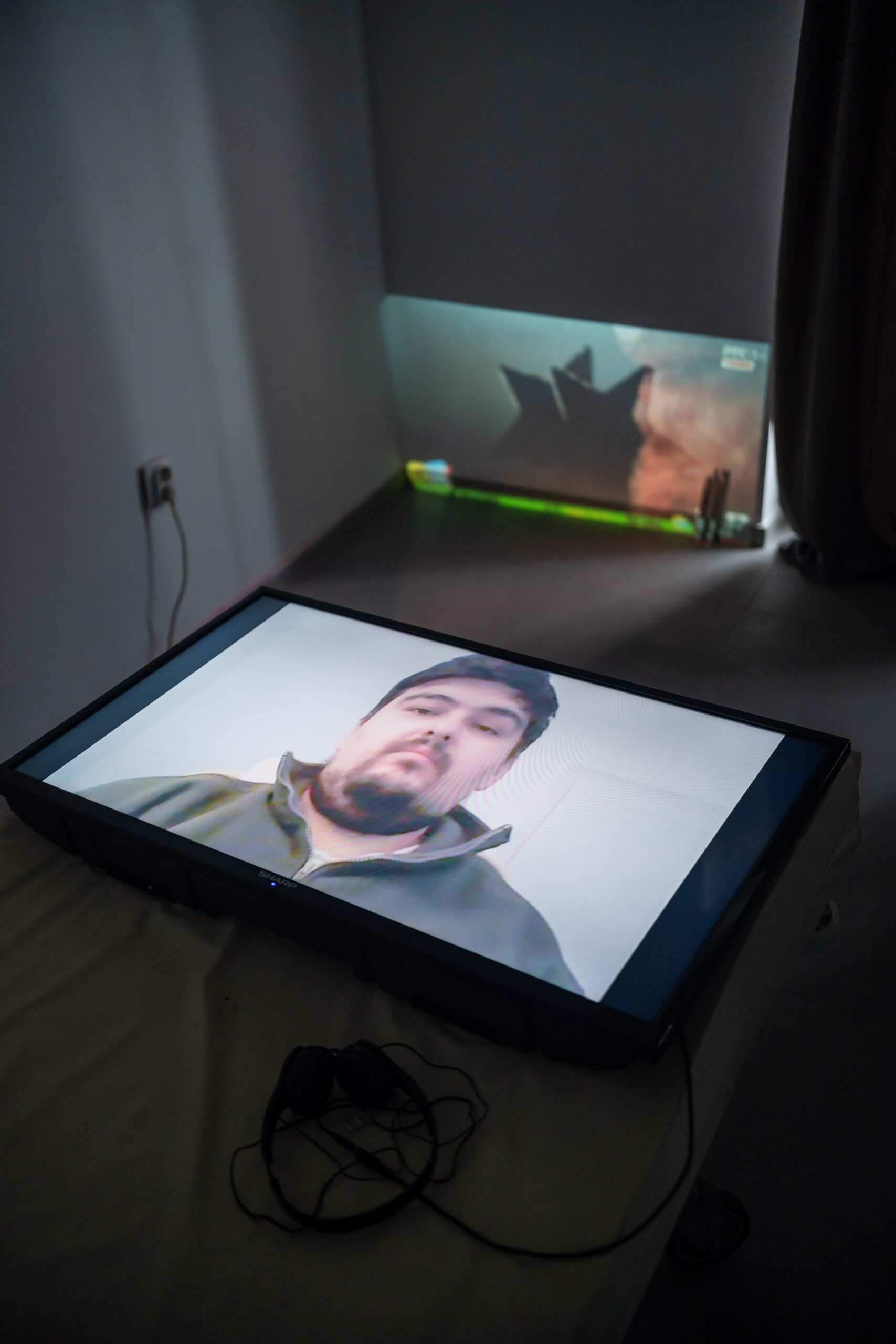
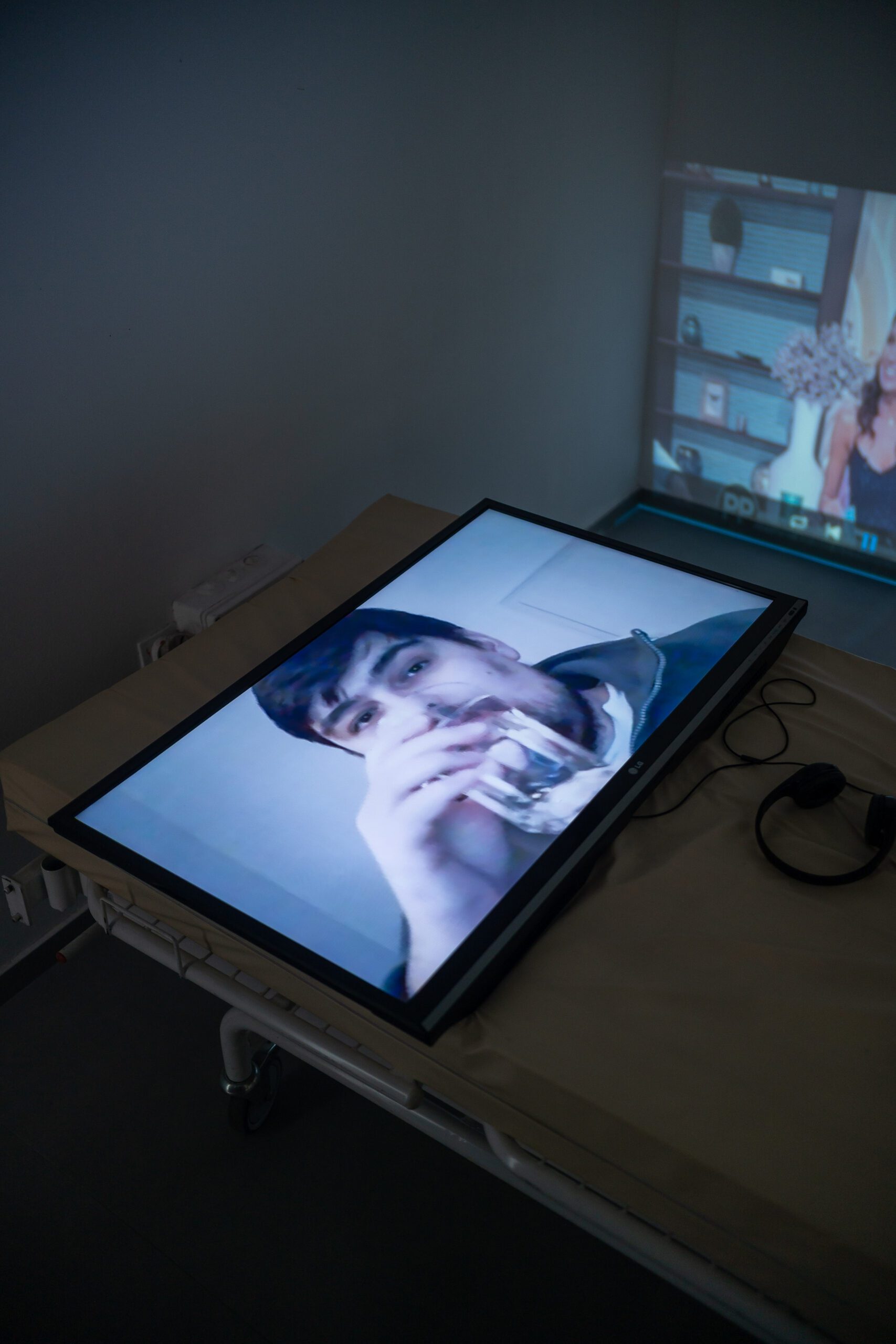
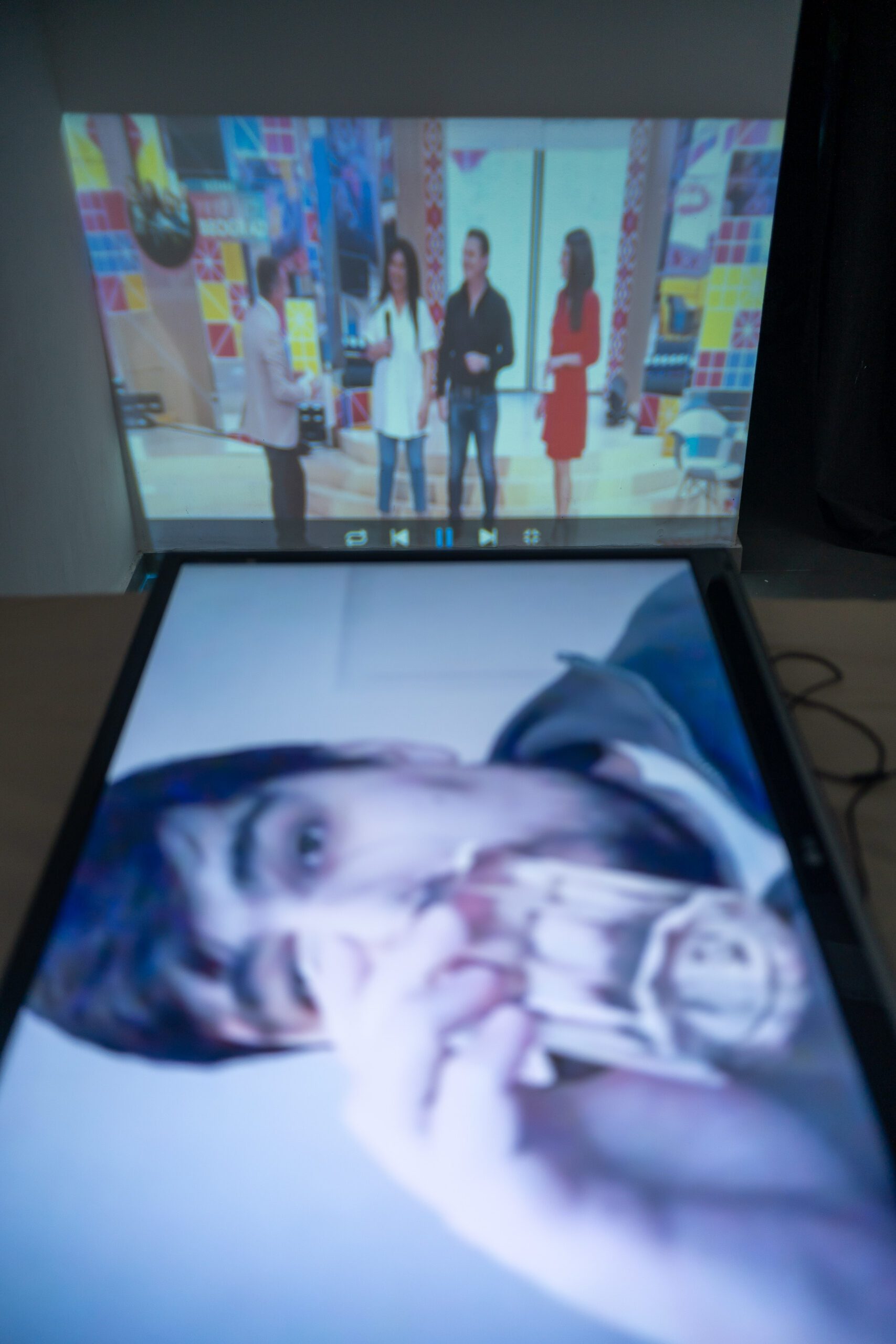
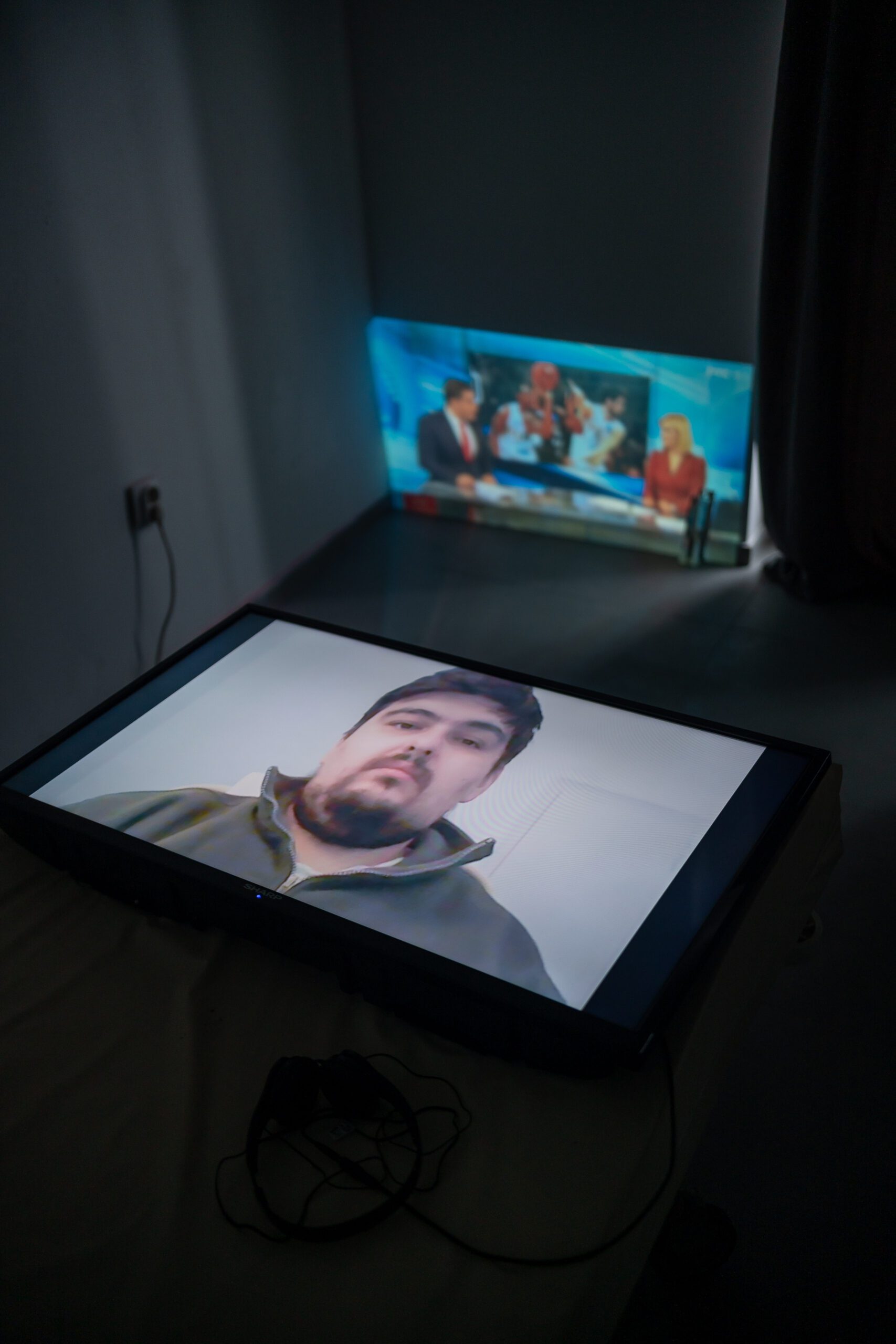
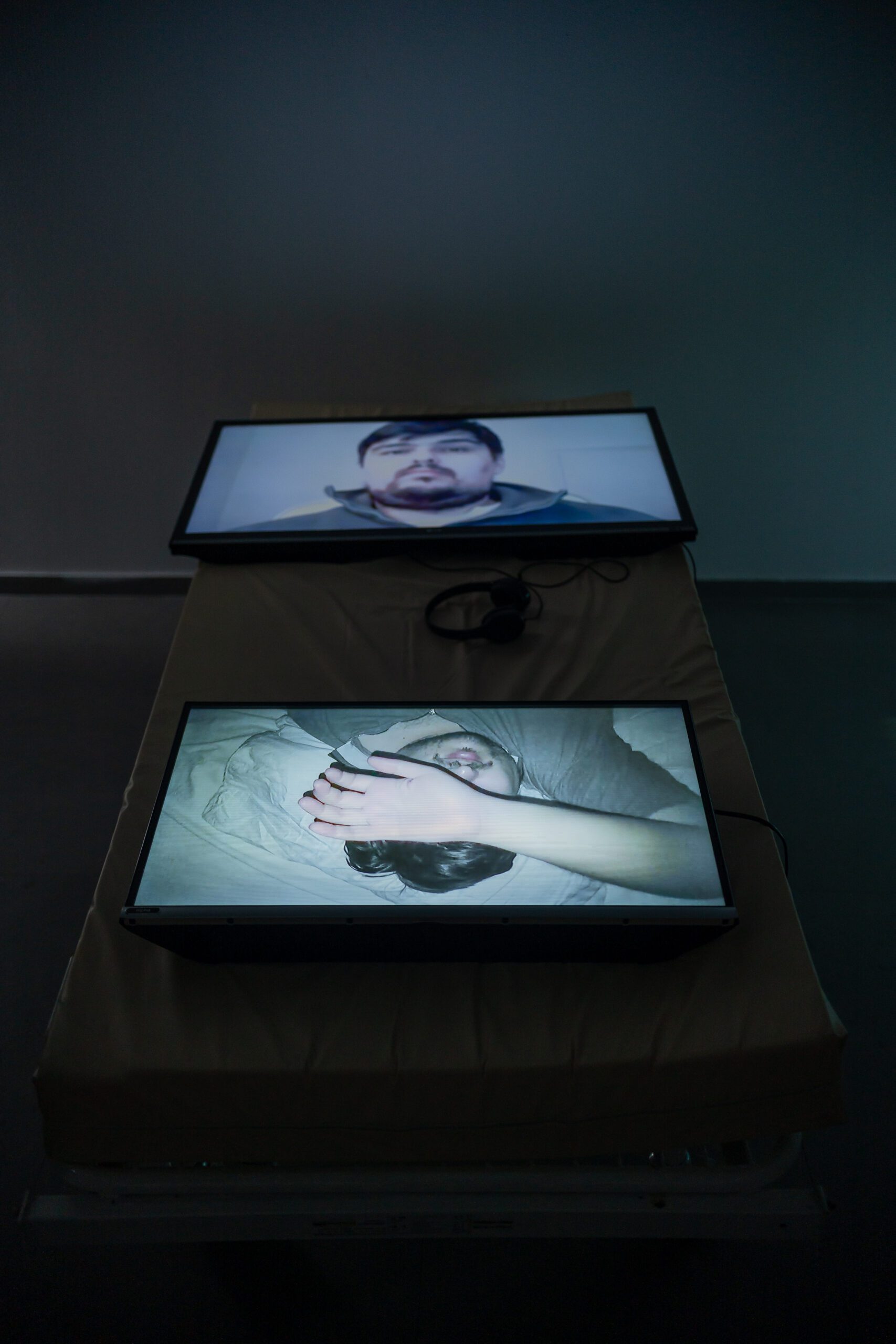
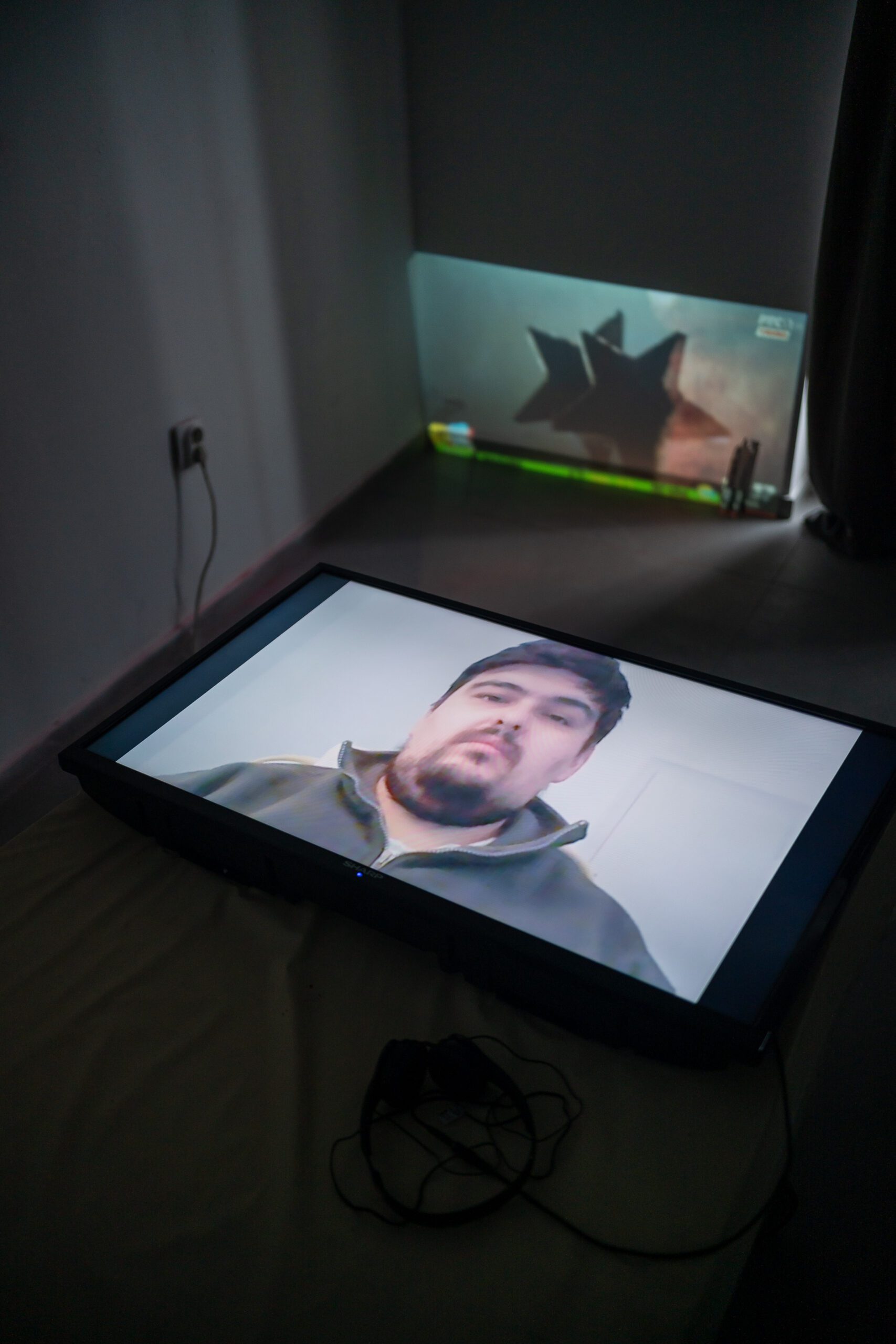
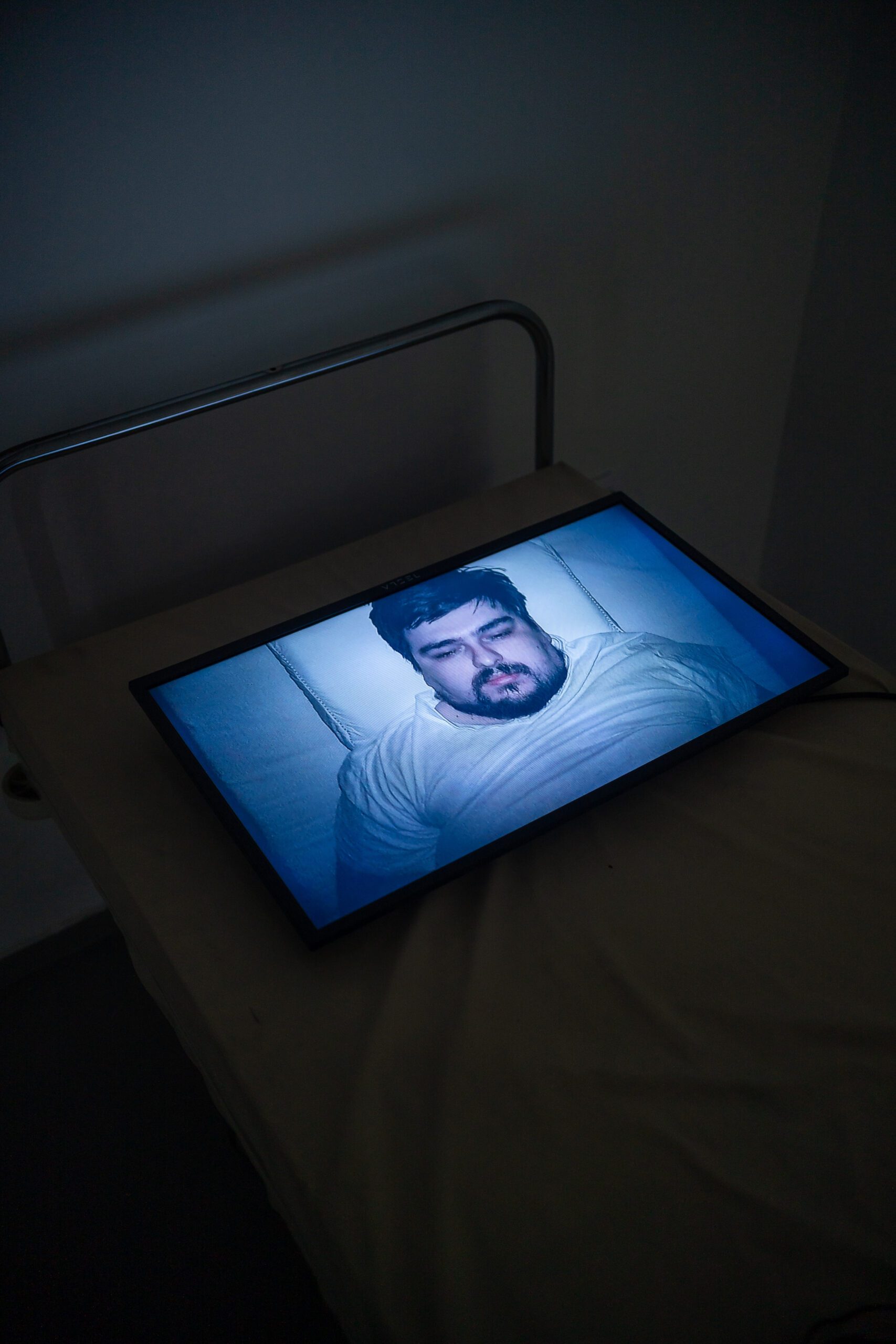
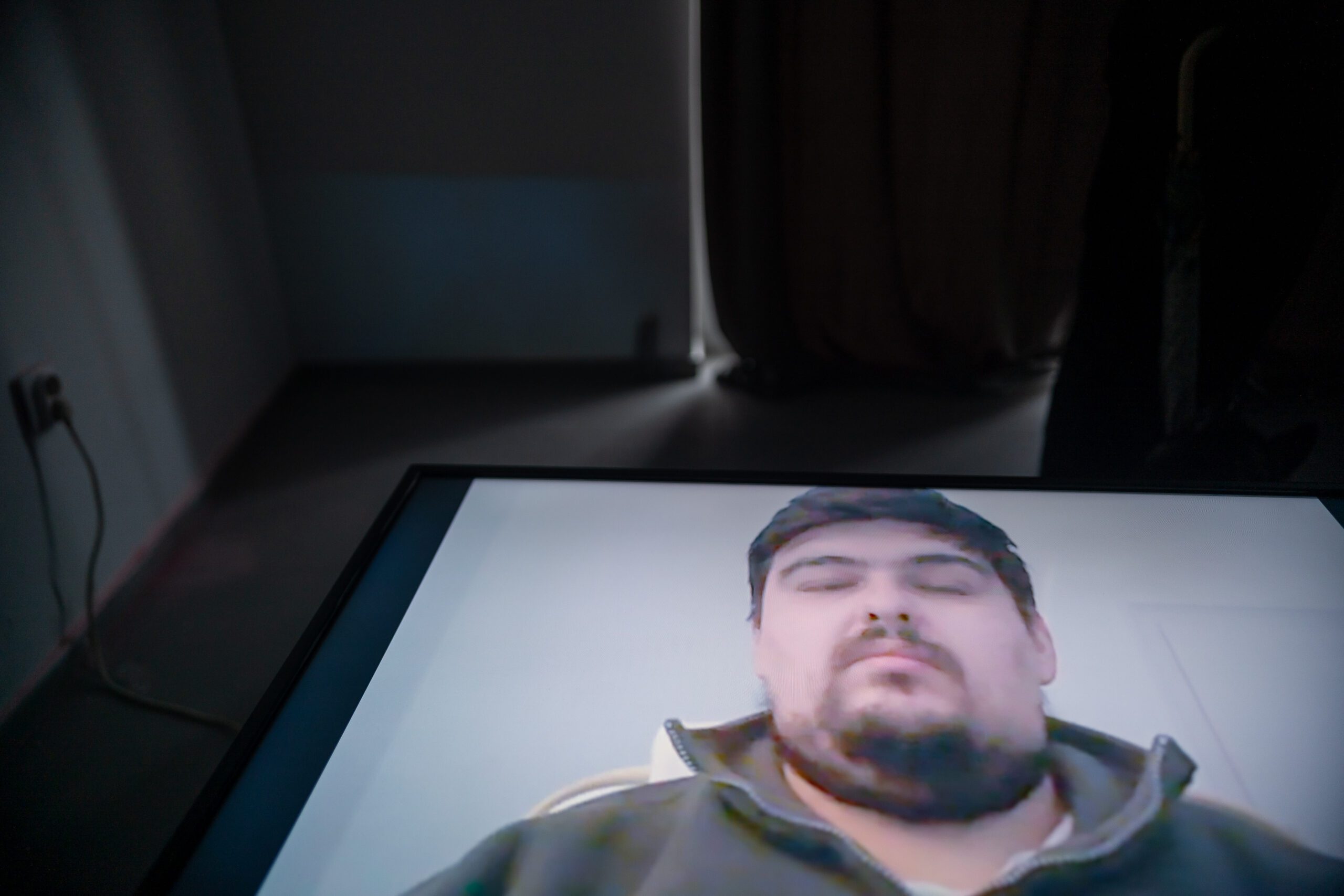
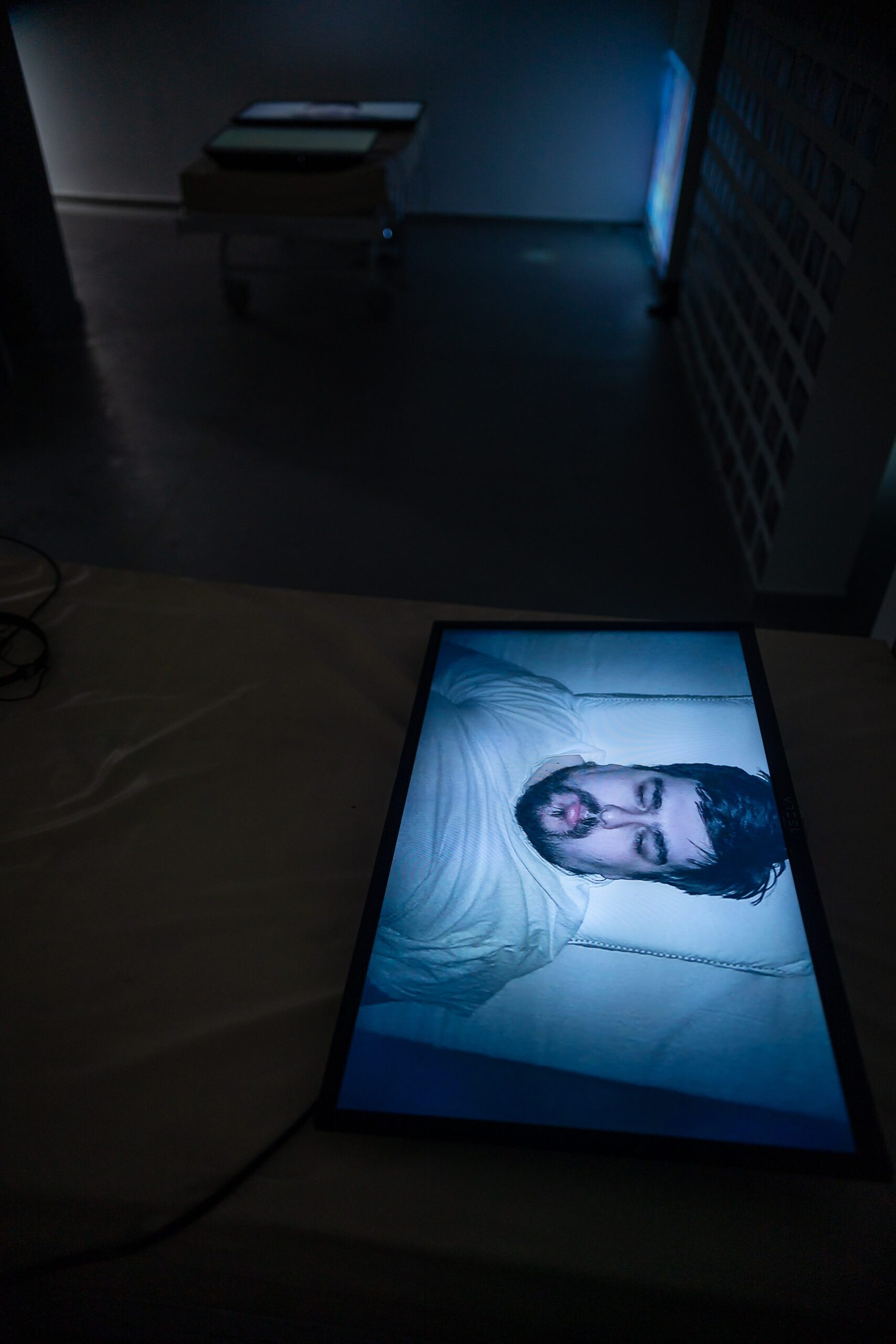
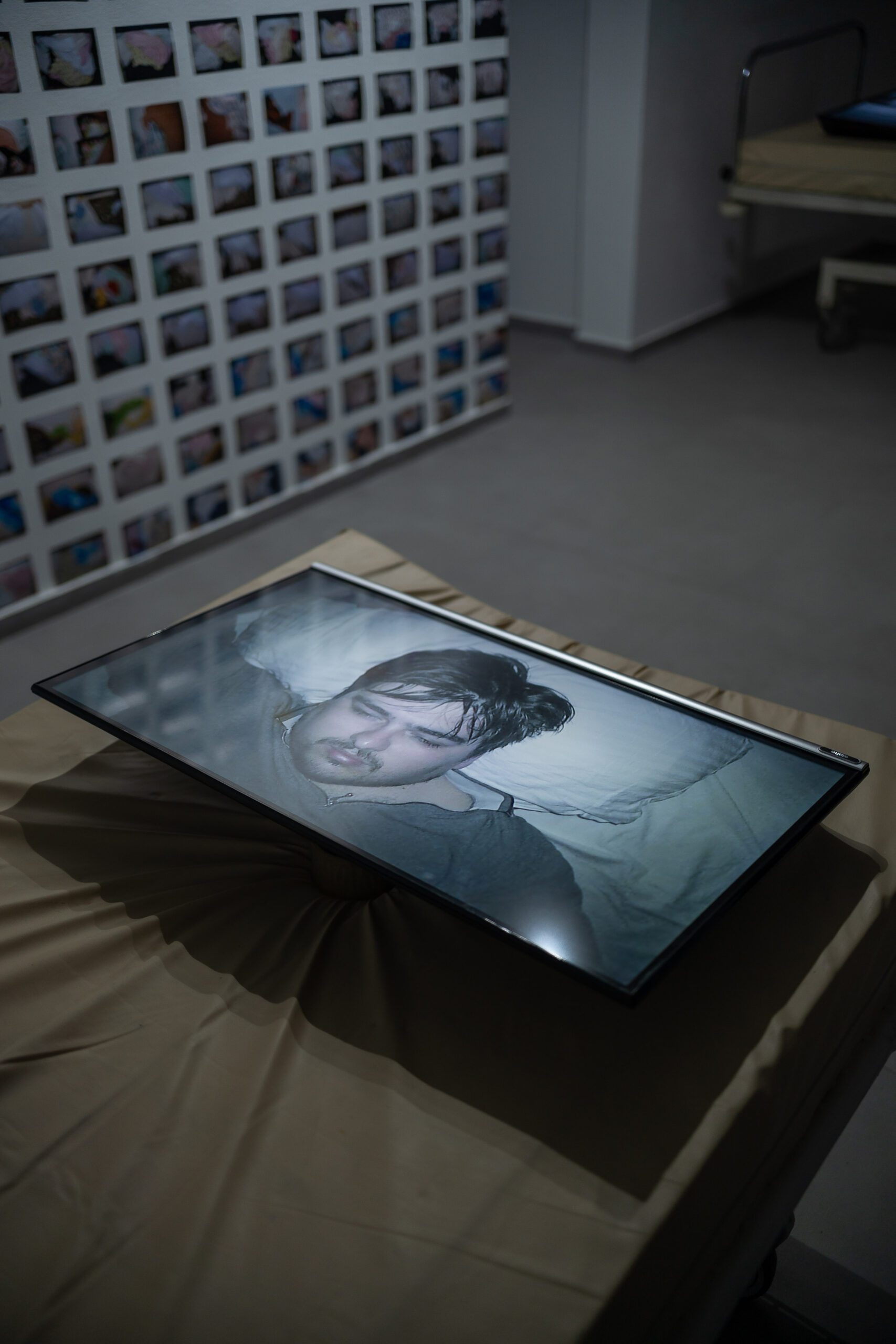
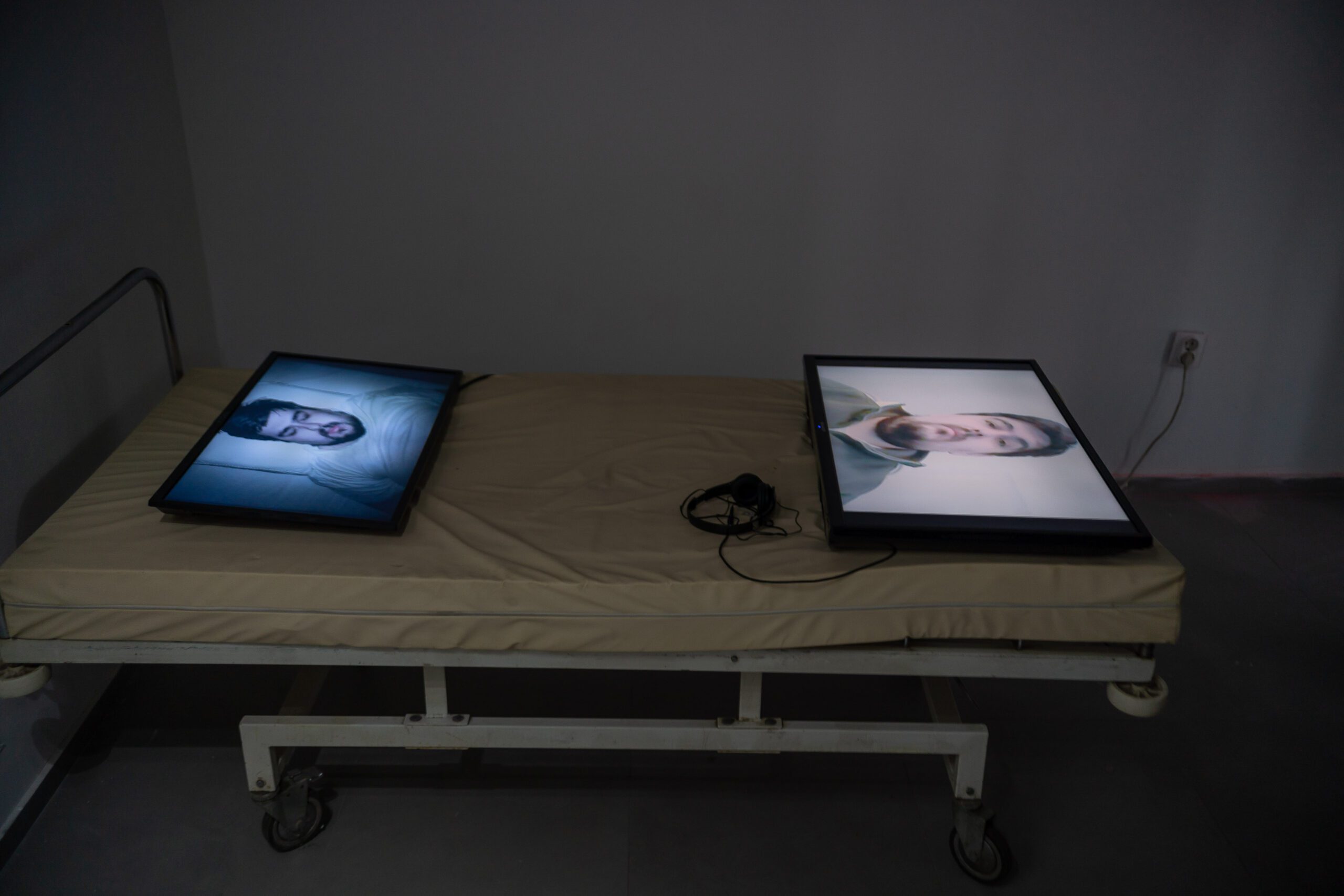
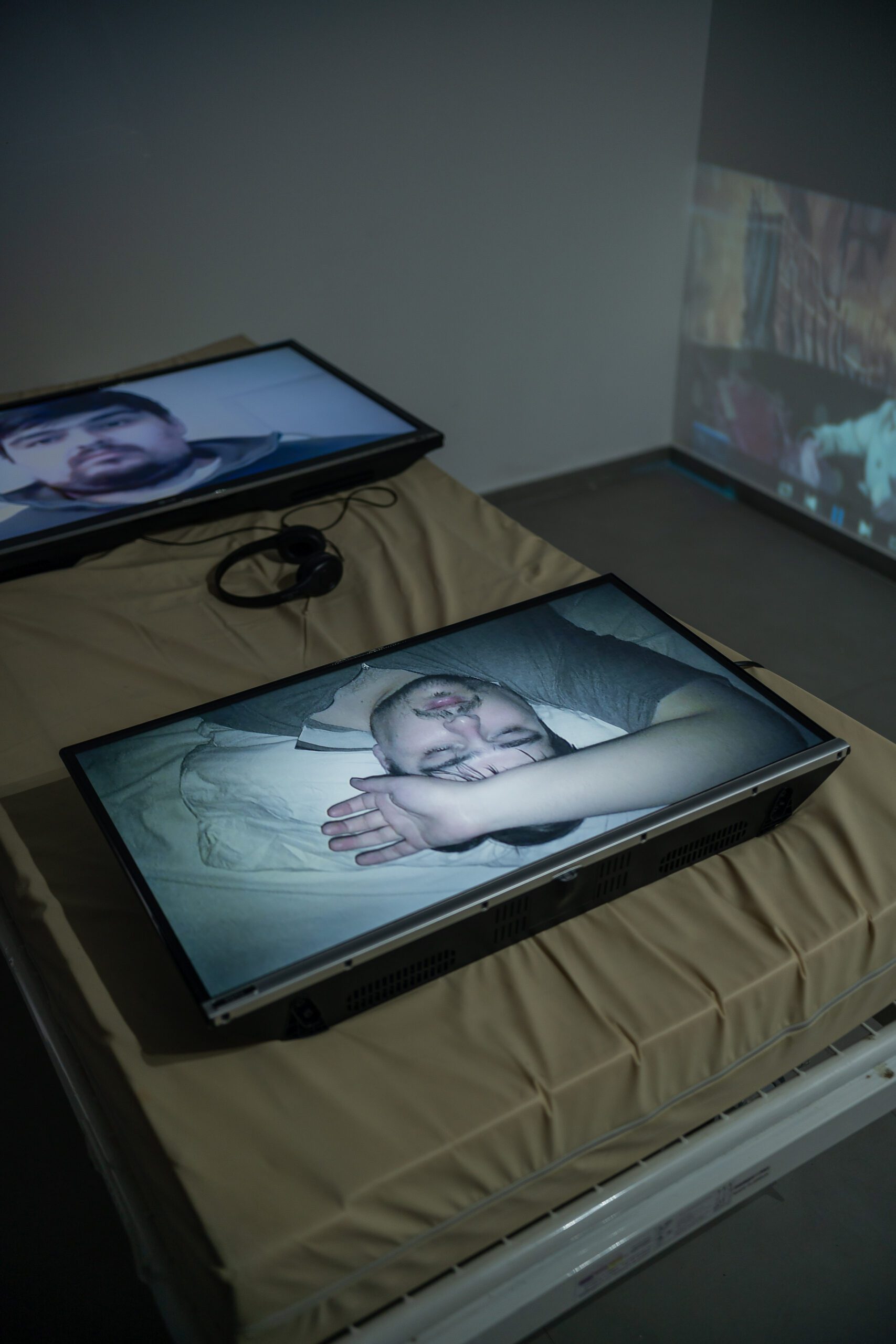
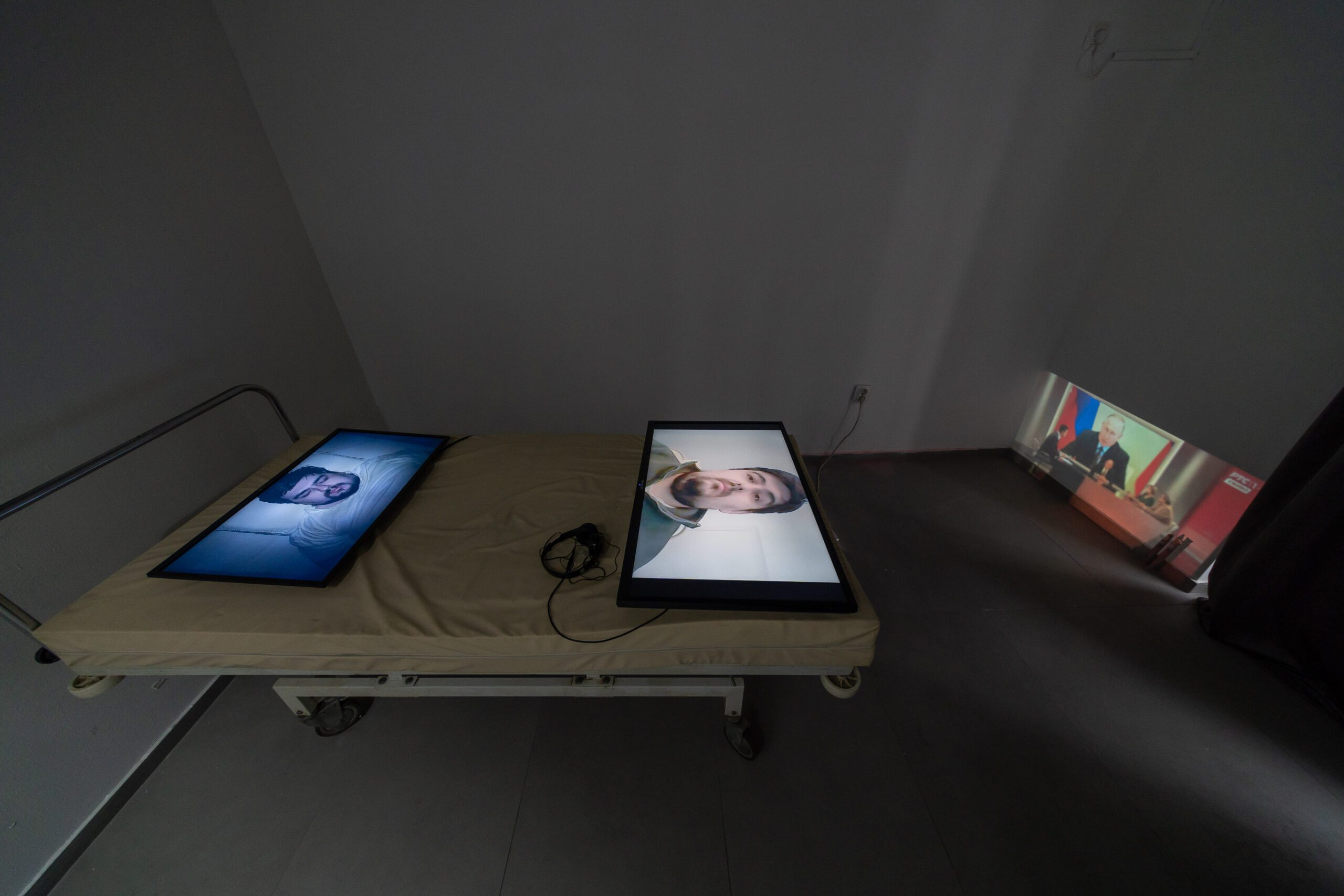
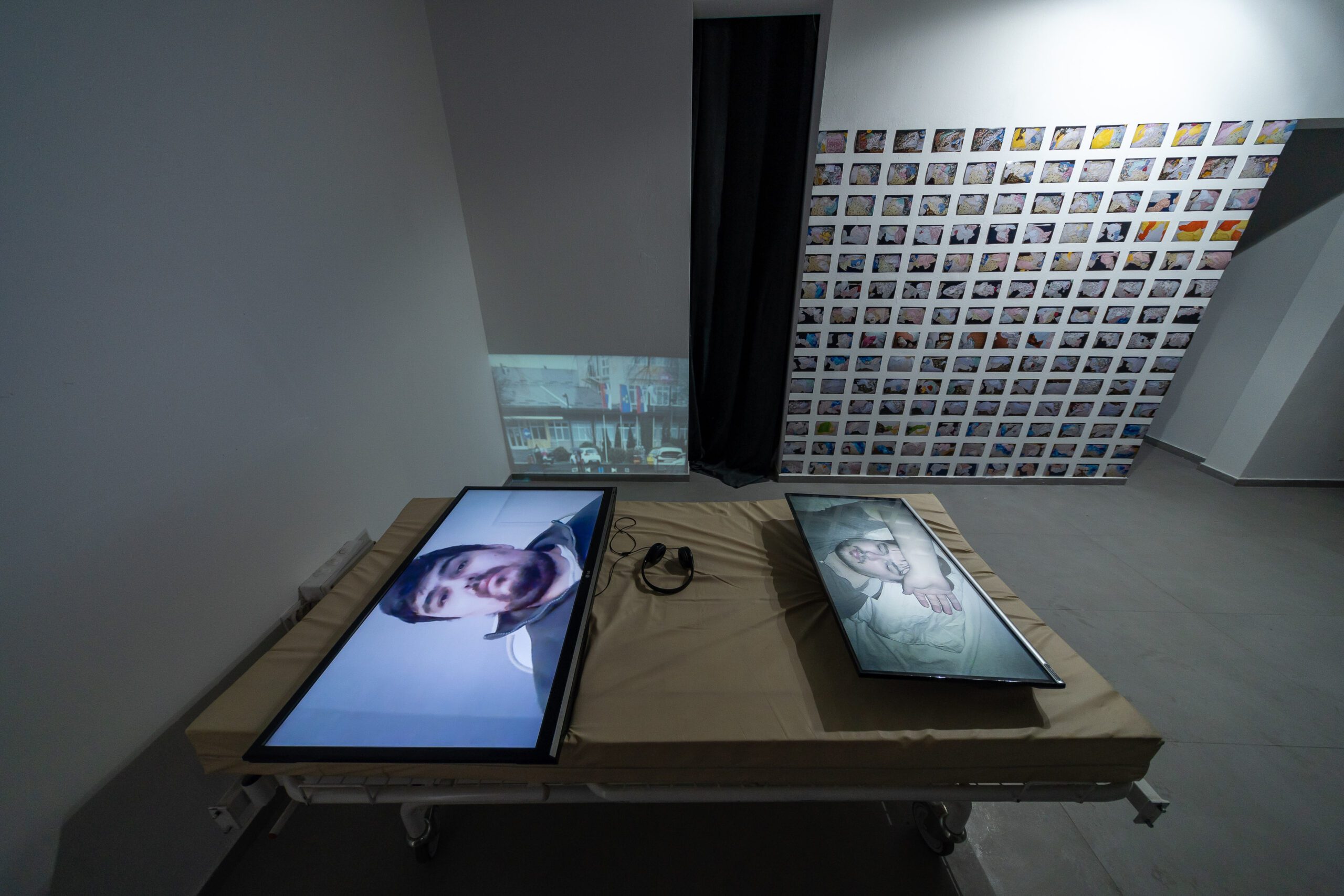
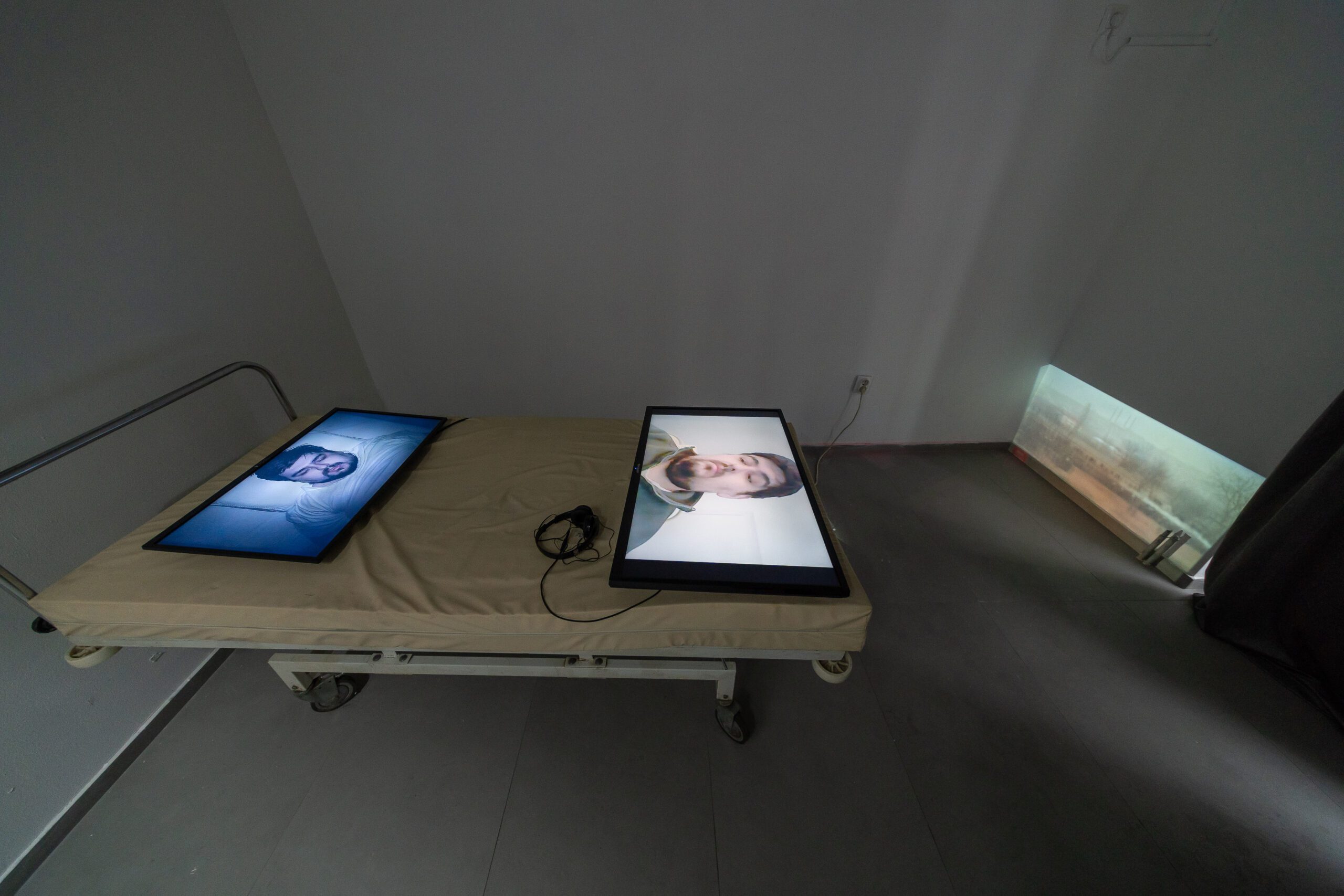
Two of the three video experiments in this work focus on the face: the one just awakened from sleep, and the one that continuously, for eighteen hours, stares at a screen—drowsy, passive, endlessly receptive…
REM can thus in a certain sense also be characterized as documentation of a performance, where the artist examines the limits of mental and physical endurance (since during those eighteen hours he simply sits motionless in front of the screen), literalizing the metaphor of the passive recipient and pushing it into absurdity through the voluntary neglect of basic needs. A dream diary as a mental activity
necessary for human self-preservation here becomes a diary of auto-torture in which the artist is effectively reduced to a mere conduit of mass media content. These contents are not just one of the elements constituting his reality, but during a given period of time become the essence of his reality.
Through a stylistically simple choice of filming his face in a single uninterrupted static shot, the artist constructs a specific relationship to the self-portrait; and although self-portrait documentation is not his central focus, the face remains the main visual carrier of the work, indicating how the entire process is reflected in the subject.
This is not a representational self-portrait, but an unusual genre reversal of an artist marked by his craft—where instead of the traditional brush and palette, all the insignia of the artistic act consist of a marathon exposure to content from seven channels of…
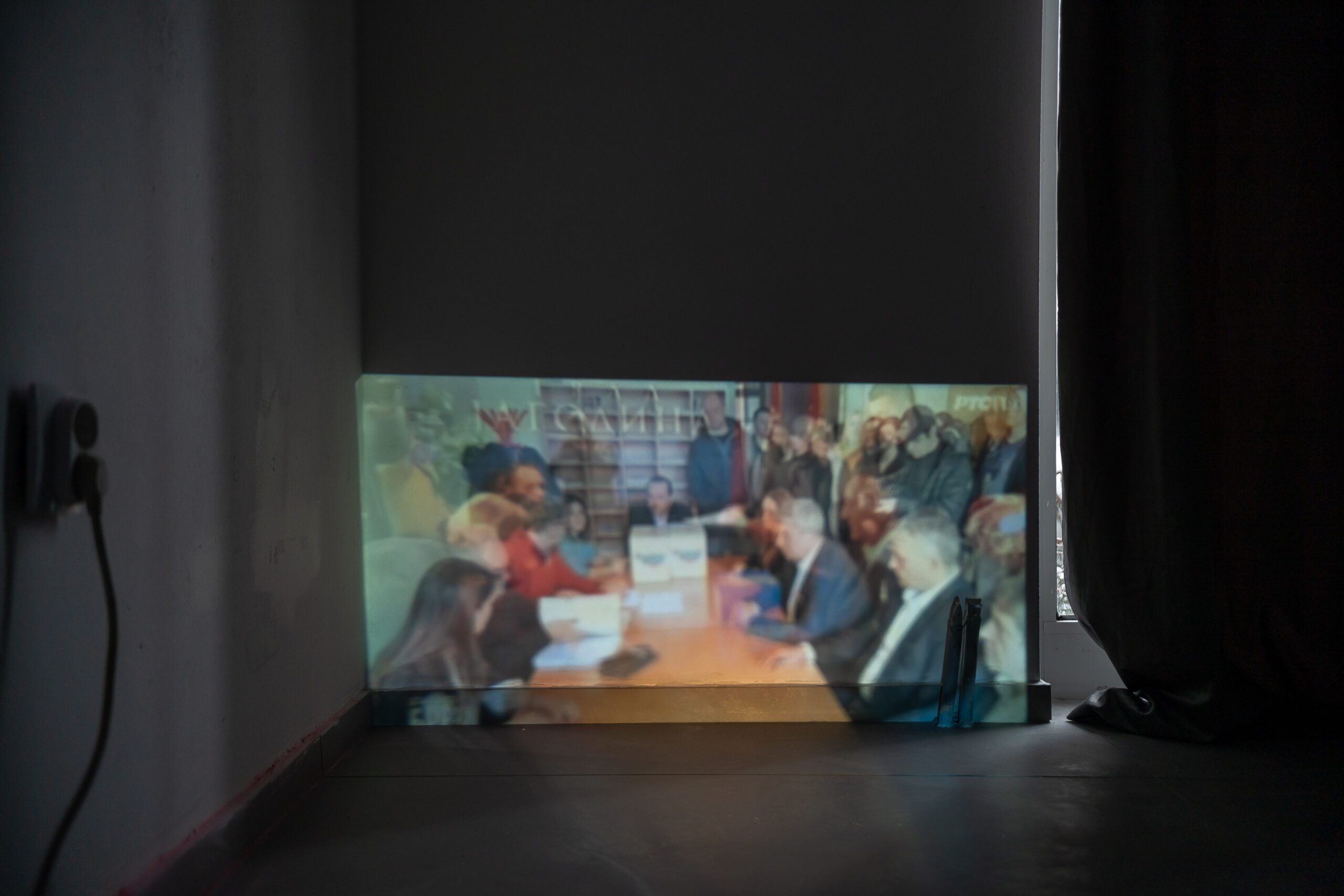
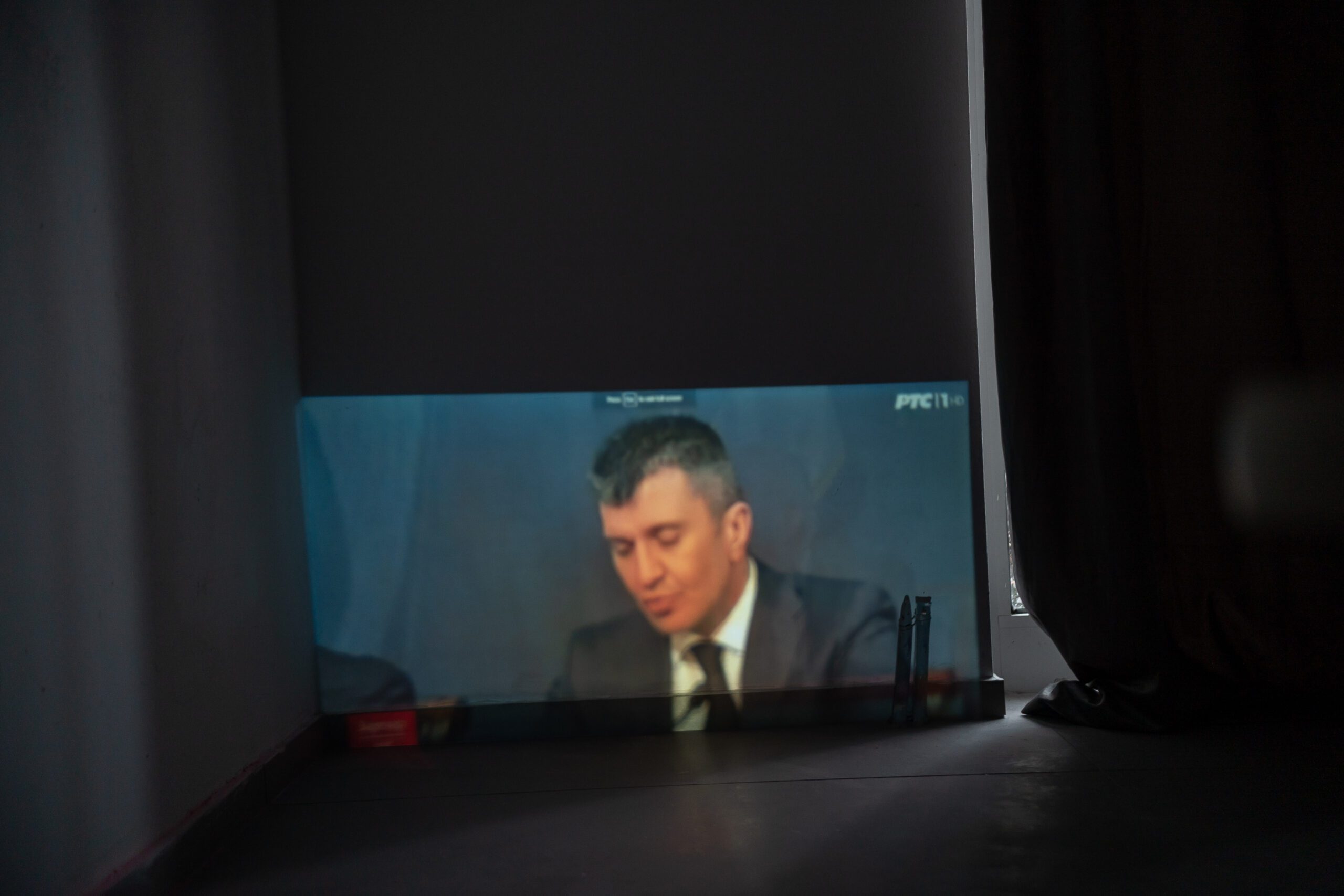
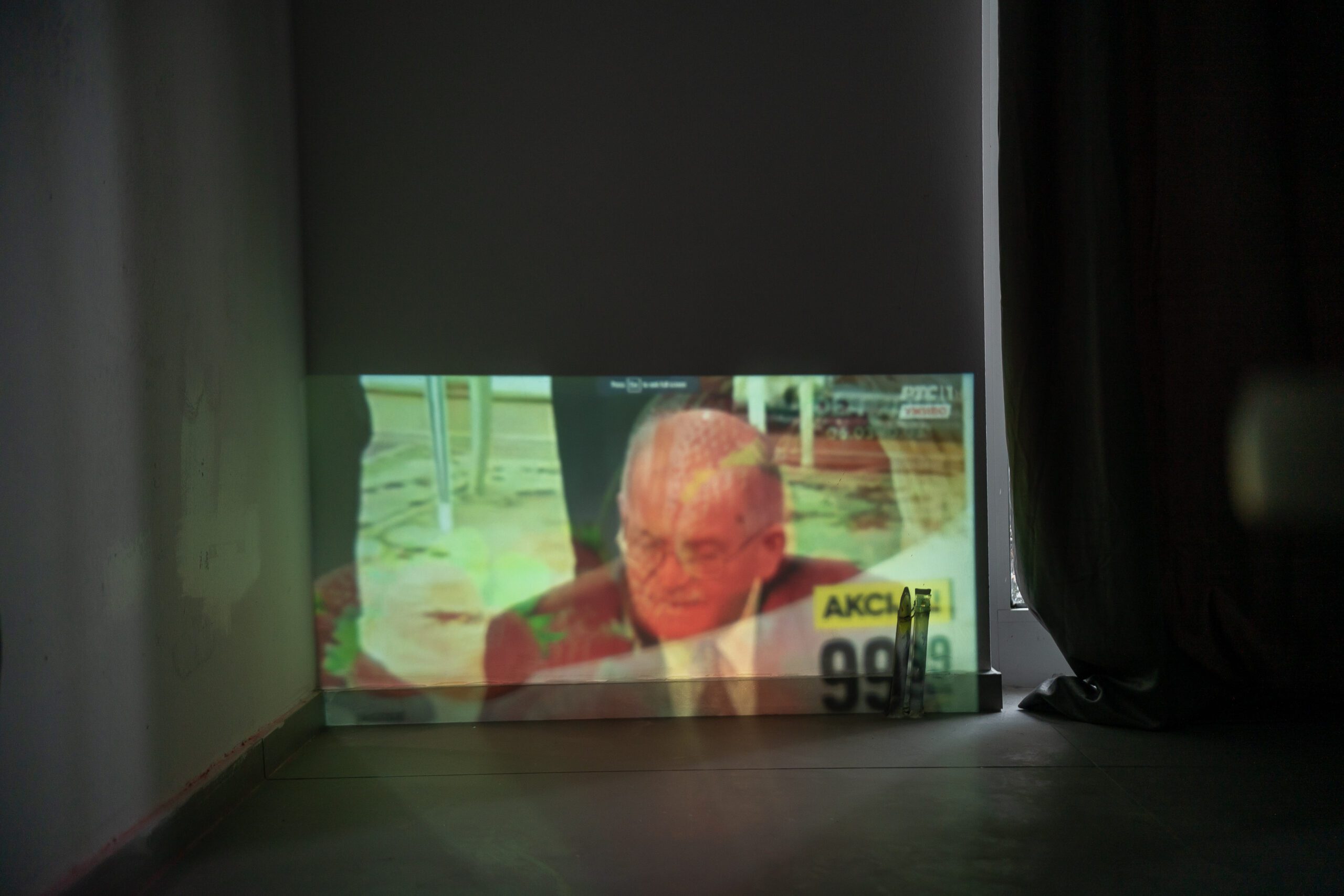
national frequency—are reflected on the face. The narrative element of the work consists of the sound image of television programming in one installation, and of dreams spoken by the artist at every hour and a half of waking in the other.
If the face is an indirect expression, then the TV content, confronted with the content of dreams, becomes the direct carrier of meaning. The intentionally non-scientific methodology—the subject being simultaneously the object—makes this work primarily an attempt to examine, through self-sacrifice on one’s own example, the limits of…
media brainwashing. However, this pseudo-scientific seriousness opens up the question of how capable we are of systematically rendering ourselves passive, and it is precisely the context in which the work is exhibited, in addition to the methodology itself, that makes it profoundly unsettling.
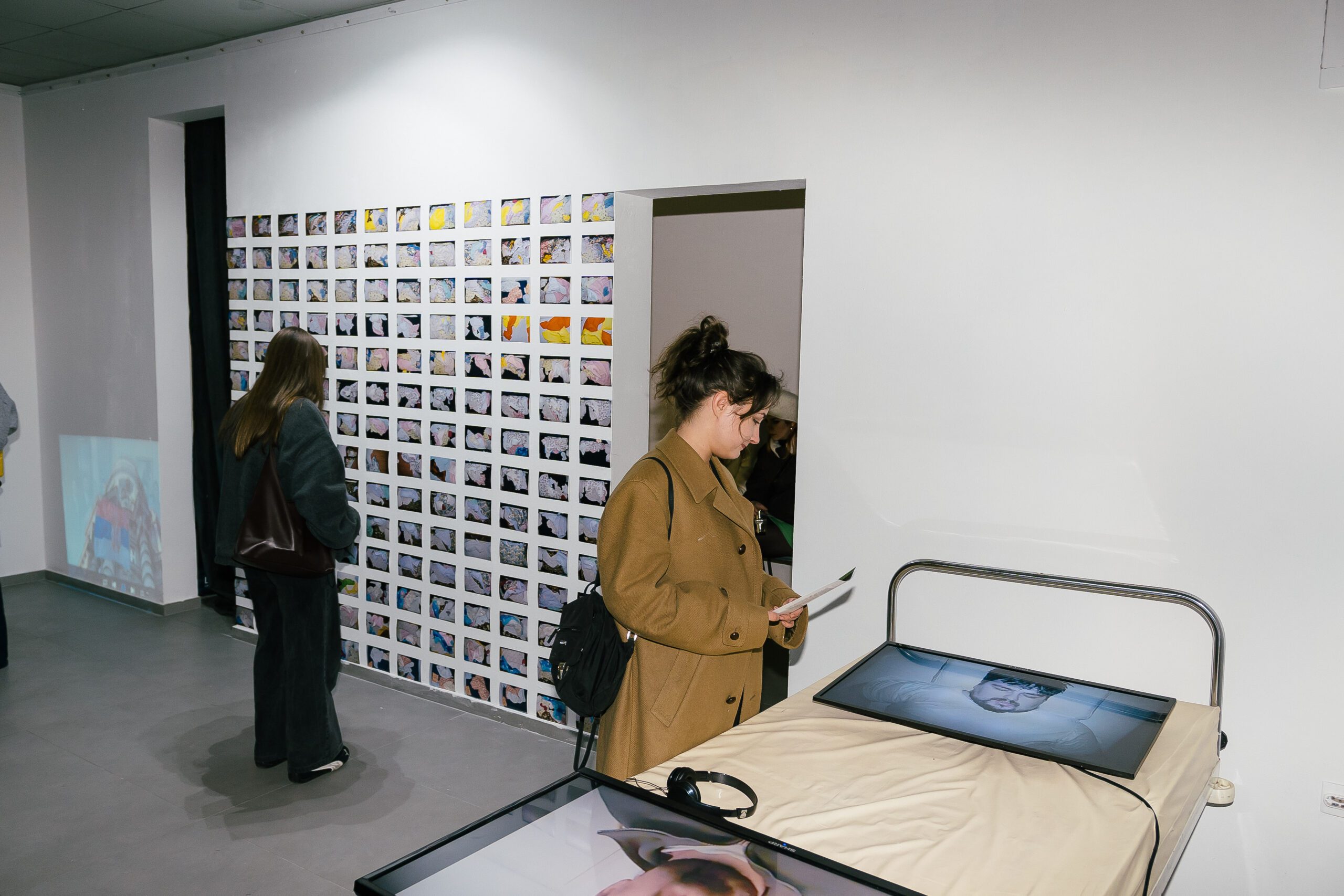
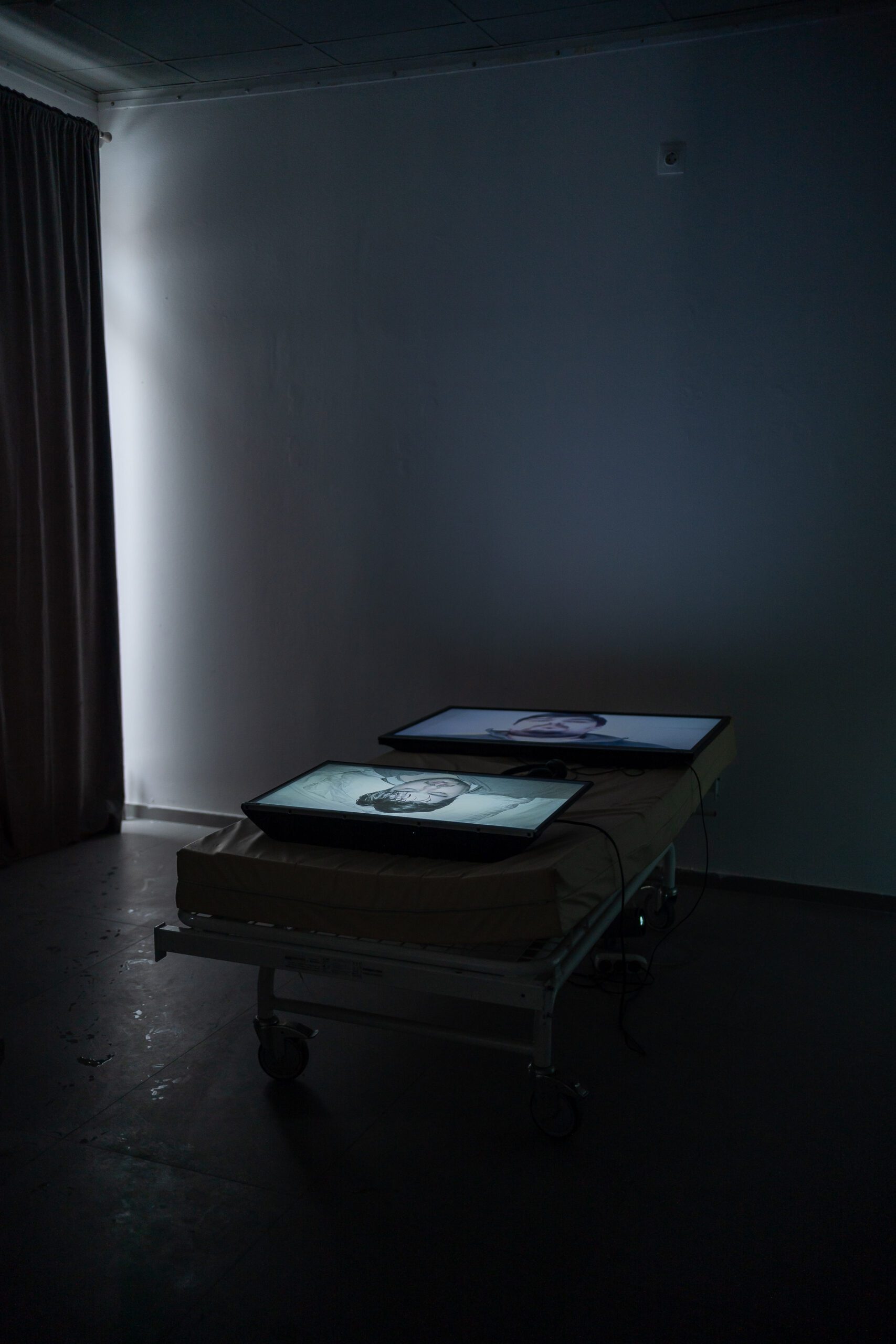
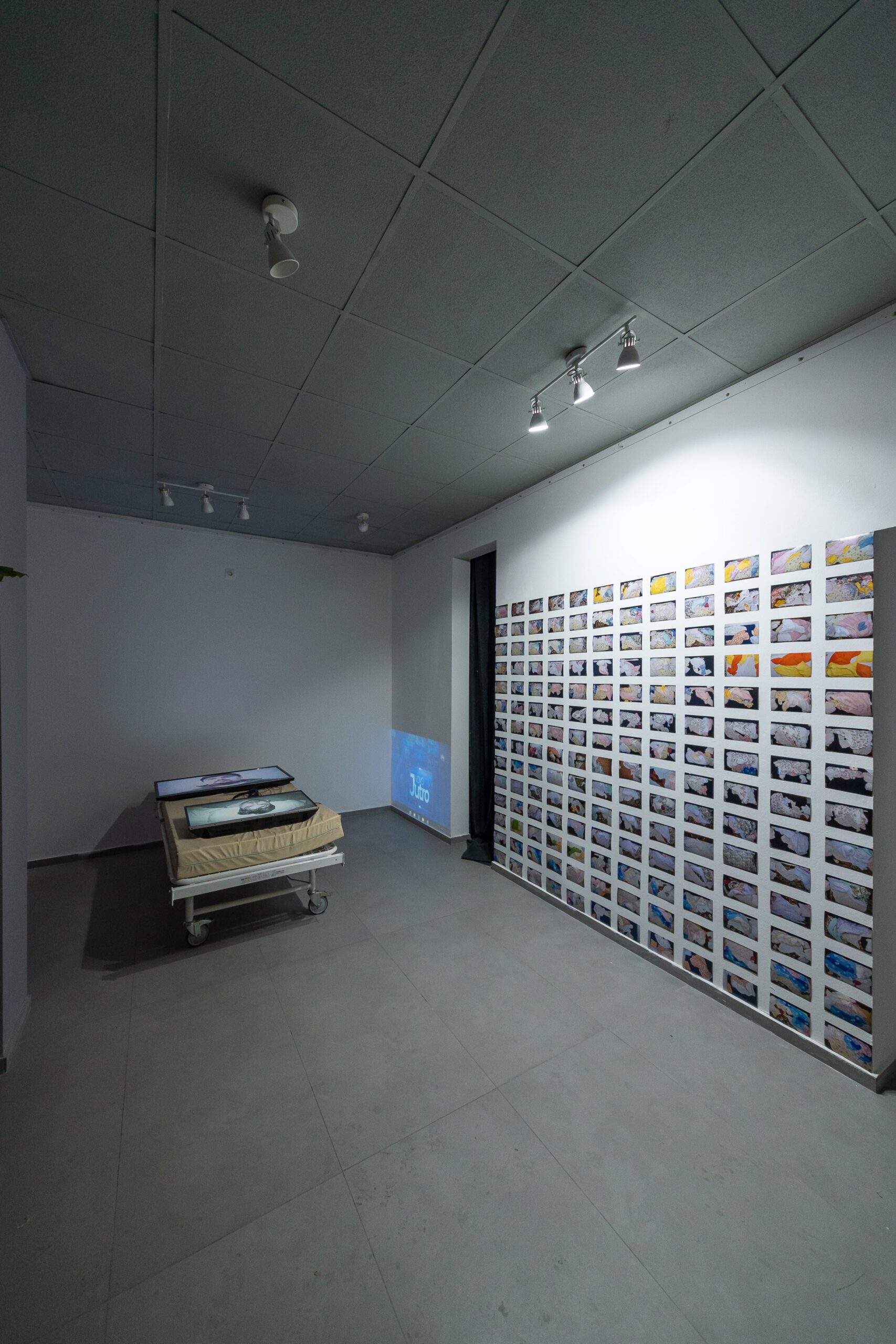
A hospital bed with televisions laid upon it becomes a space in which we voluntarily submit to an experiment without any guarantee that it will not be… posledica.
The third video experiment within the installation presents a series of rapidly changing… screenshots: the content of the TV program is finally revealed, but not in its entirety, rather through isolated… images selected by the artist for display, which, like in a nightmare, flash before our eyes. These images… are so recognizable (personalities, studios, logos, entertainment and news programs…) that it is not… necessary even a full second for the audience to register them; they are so deeply ingrained that they form an iconographic core of our consciousness. And while *Dream Regime – REM* takes the phenomenon of dreams literally, as its central motif and object of inquiry, the remaining two works approach it indirectly.
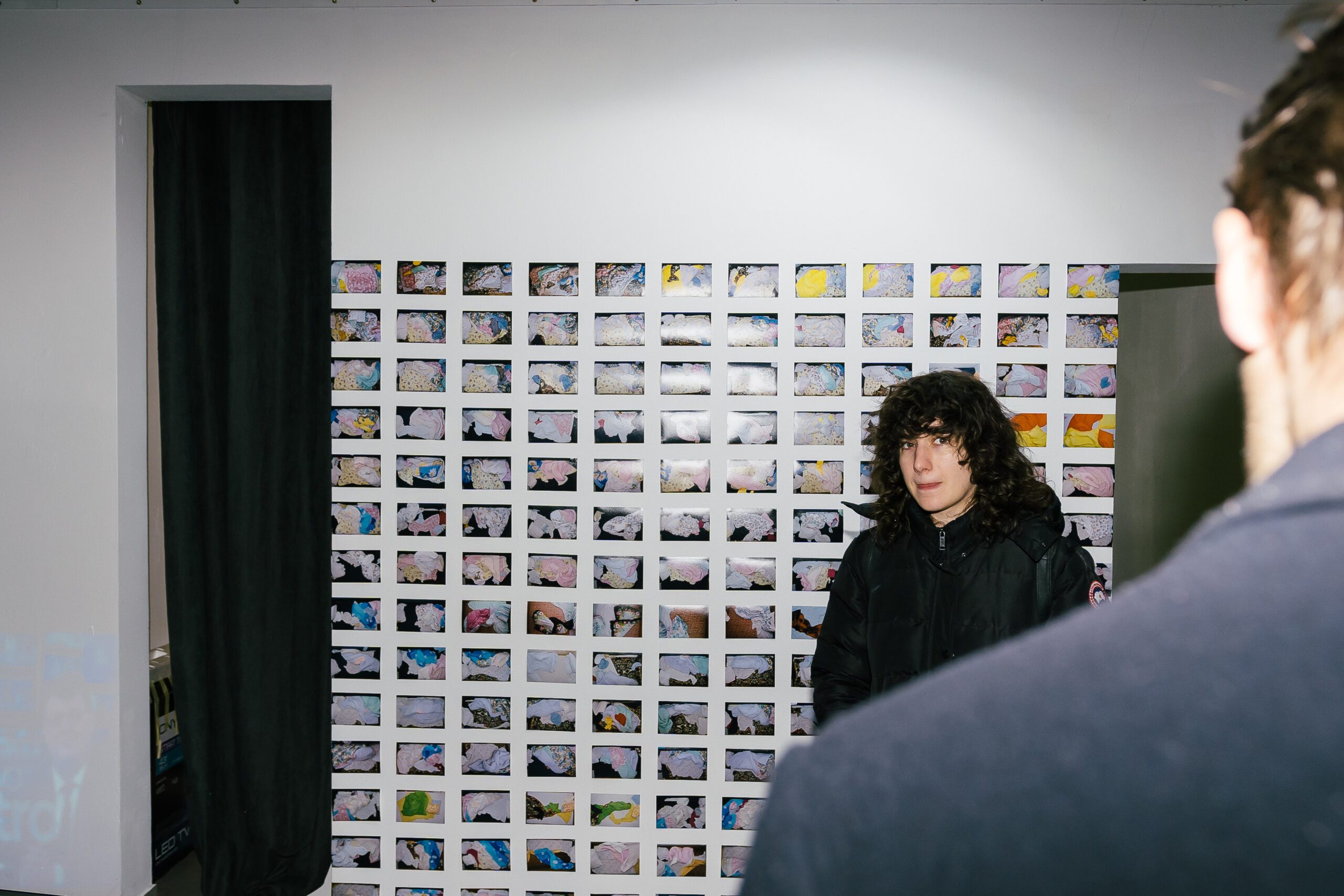
In *Dreamers* there is no dream content, nor any dreamers of it, but only the physical imprint of unconscious movements of two people over a period of six months, during which one photograph of bedding (from different beds) is produced each morning. Arranged in a group on the gallery wall, they take on an almost abstract character that, at first glance, disregards their documentary nature and any potential meanings in favor of the strong visuality of the photo-installation. As the work was created shortly before the artist, motivated by his artistic calling, moved abroad, the strongly formalist impression these photographs produce in this arrangement in a sense correlates with intense youthful artistic aspirations that treat the work almost as a self-sufficient form. In addition, the methodology itself carries something of Surrealism, even recalling rayography, where the bedding functions as photosensitive paper and the body as the removed object. However, it should be noted that here, unlike in *Dream Regime – REM*, the dream is treated as something that eludes us—something so distant in the realm of spirit that the visual medium can reach it not through the dreaming body, but through the imprint of that body. Thus, in a sense, it can be understood as the exact opposite of *Bottles for Bread*, where the artist, together with his partner—the same person with whom he created *Dreamers*—confronts the objectified dream (nightmare?) of life in Vienna.
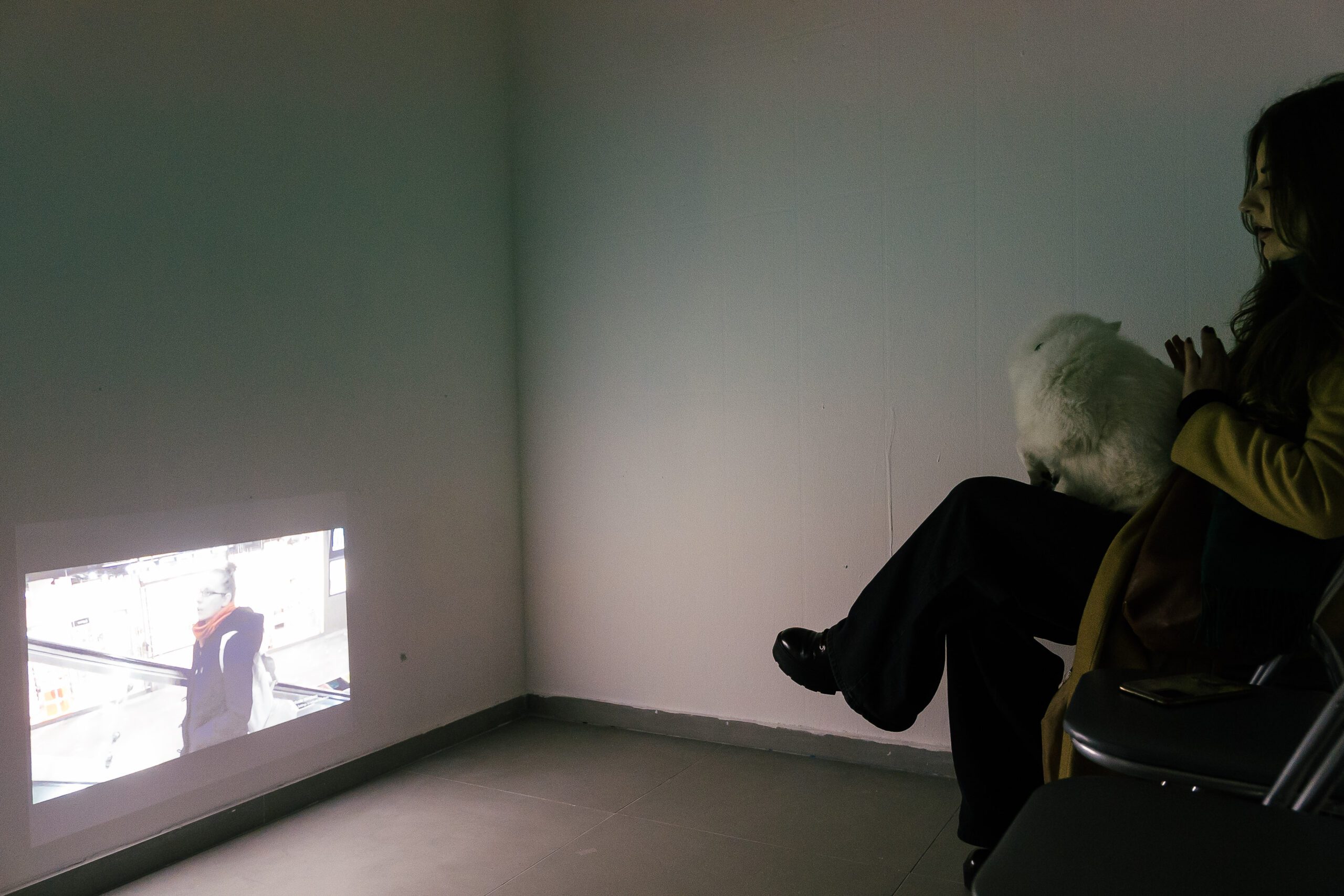
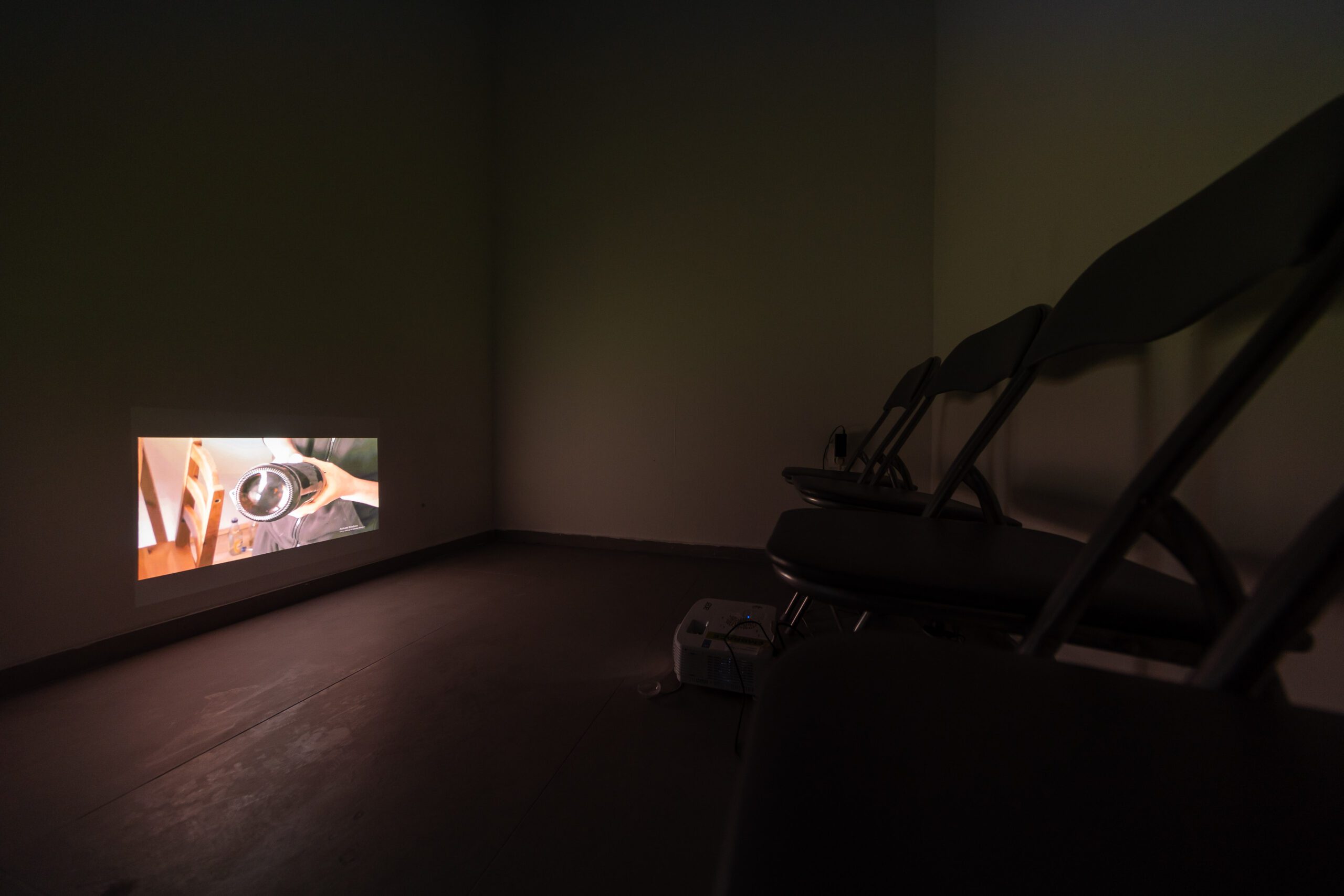
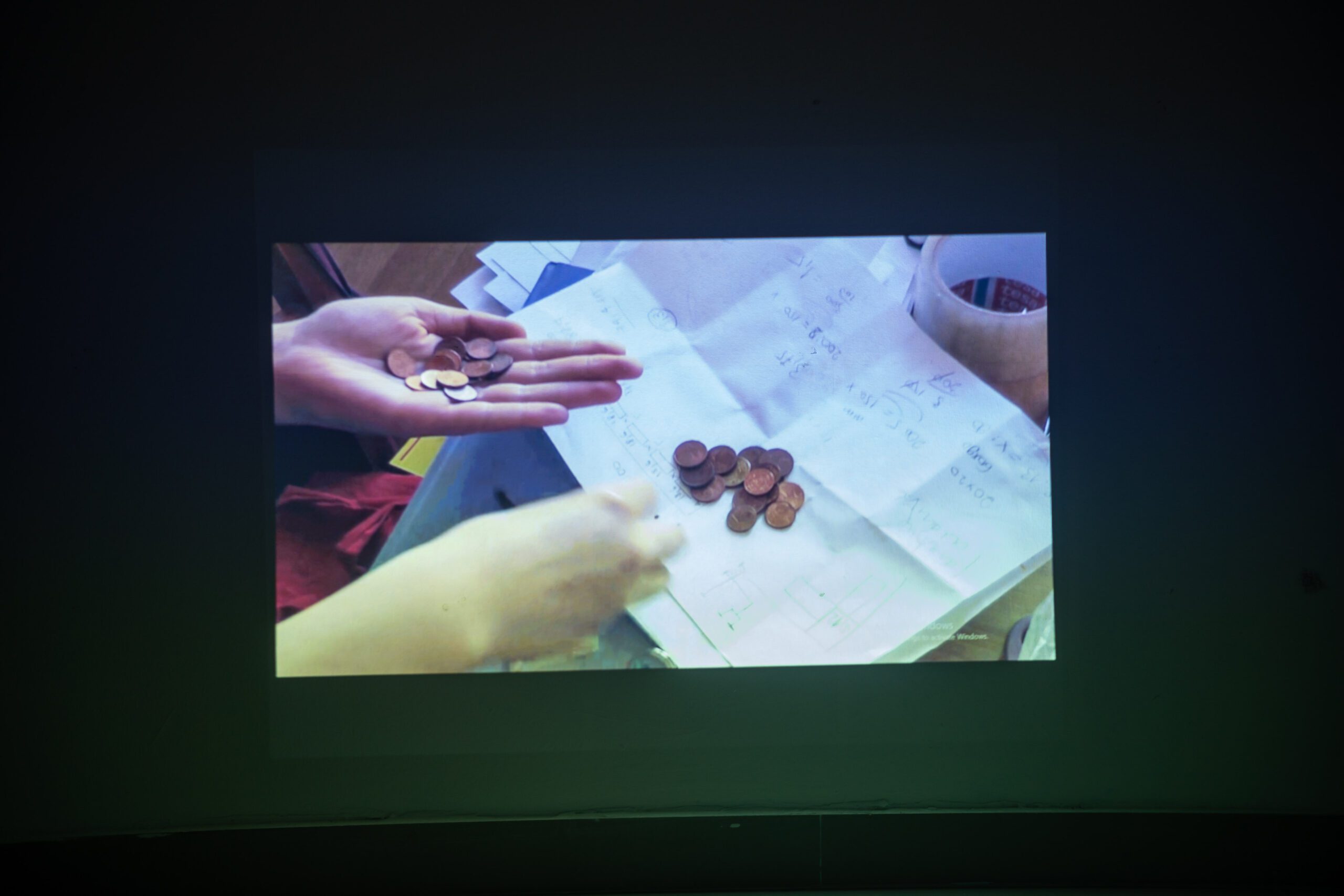
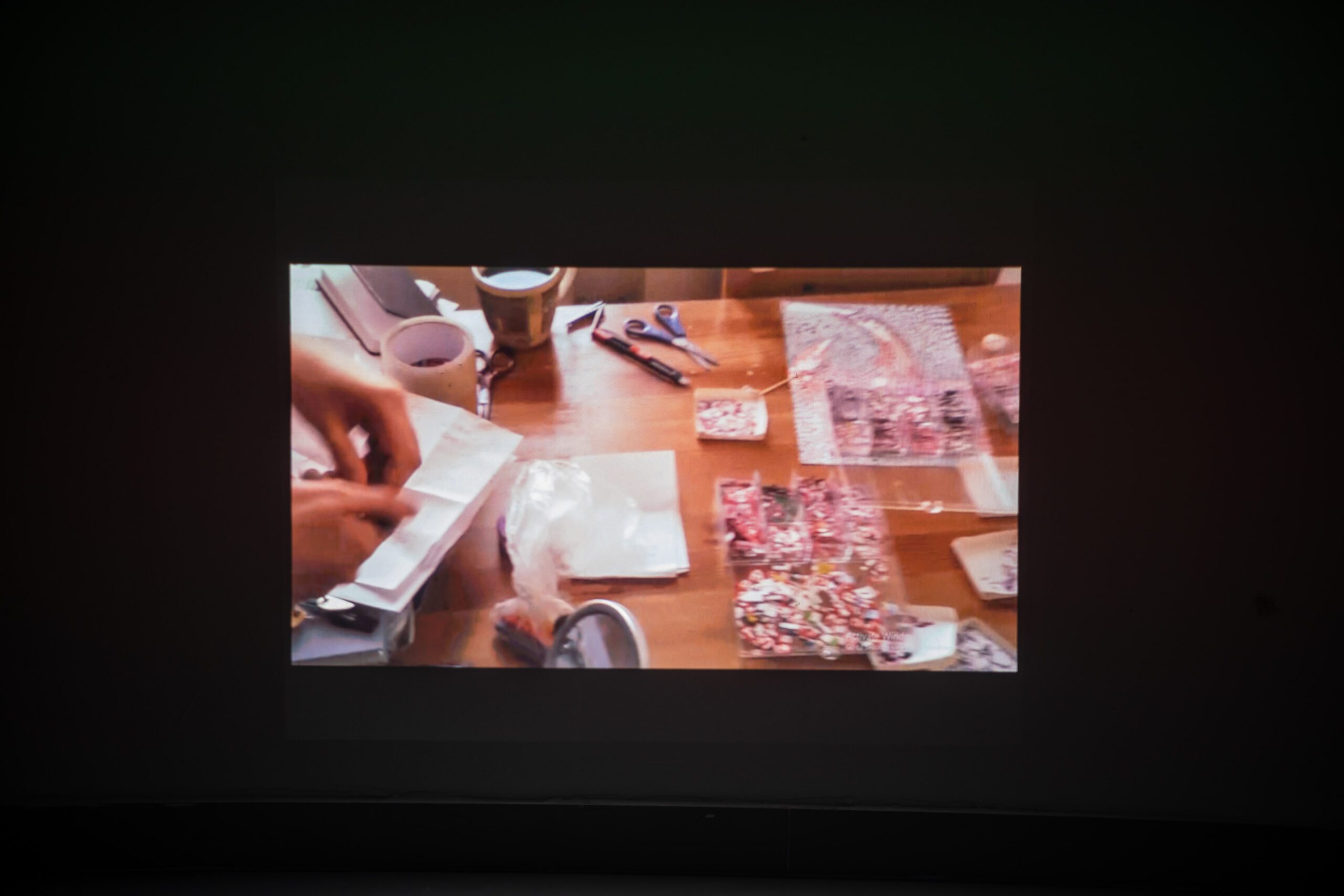
*Bottles for Bread*, like *Dreamers*, continues the line of self-recording, but unlike *Dreamers*, it achieves through the film medium a raw image that consciously renounces the formalism and abstraction of the previous work. And although the documentary is not neutral in itself—as evidenced by the fact that the very decision to start filming is already an act of conscious choice—here there is little explicit…
artistic interventions (the image is, as is often said, raw), and all the tragedy of the life infrastructure that leads to the realization of dreams emerges organically from the content itself (as, for example, one of the most effective scenes in the film, where in a long uninterrupted shot bottles rattle in a plastic bag on the way to the supermarket). The artist chooses to film one of the most existentially difficult episodes
of shared life abroad — a moment in which the partner and he are left without financial means and carry bottles for recycling in order to obtain money for food from that transaction. The mediatization of one’s own reality at moments of greatest frustration is read not so much as poverty (auto-)porn, but rather as the only possible solution, as a release from reality, a distancing from it, and
turning everyday life into fiction. This deep intrusion into the private sphere and the consistency of an almost obsessive self-documentation open up a world of a distinctly exhibitionist-voayeristic exhibition. And although there is a significant chronological distance from the moment these works were created, it is telling how static the collective circumstances have remained, starting from the sense of necessity to step out of one’s native artistic environment, through major economic and existential upheavals after succeeding in that endeavor, all the way to the problems which today is perhaps the most symptomatic in a social sense—the place of mass media in the collective dreaming. Nevertheless, *Dream Regime* does not stop there, but instead speaks about dreams comprehensively, from poetic imagery to a dystopian parable.
Curator of the exhibition: Ana Filipović
Žarko Aleksić (1985, Knjaževac) works across different media, integrating experience, photography, video, installation, and performativity. His post-disciplinary artistic practice is based on examining consciousness, mental processing, and artificial intelligence in relation to socio-political issues of cognitive capitalism and the production of knowledge, education, dematerialized labor, and surveillance capitalism, as well as the elaboration of data processing such as biomarkers and correlational data collected through scientific measuring devices and social networks. Žarko has exhibited in numerous solo and group exhibitions in Serbia and abroad. He currently teaches at the Department of New Media at the Faculty of Fine Arts in Belgrade.
Ana Filipović (Belgrade, 1998) completed her master’s studies at the Department of Art History, Faculty of Philosophy in Belgrade, where she is currently pursuing doctoral studies and working as a research trainee at the Institute of Art History. She is a critic for the “Filmoskopija” portal and a collaborator with several national and international film festivals, including the Auteur Film Festival. Over the past several years, she has gained experience in some of the most important cultural institutions in Serbia and has contributed to the realization of a number of contemporary art exhibitions. She is the author of several academic papers and professional texts. She is also a collaborator at the Center for American Studies at the Faculty of Philosophy in Belgrade. Her primary field of interest concerns the multiple relationships between film as a medium and modern art, as well as contemporary artistic practices.