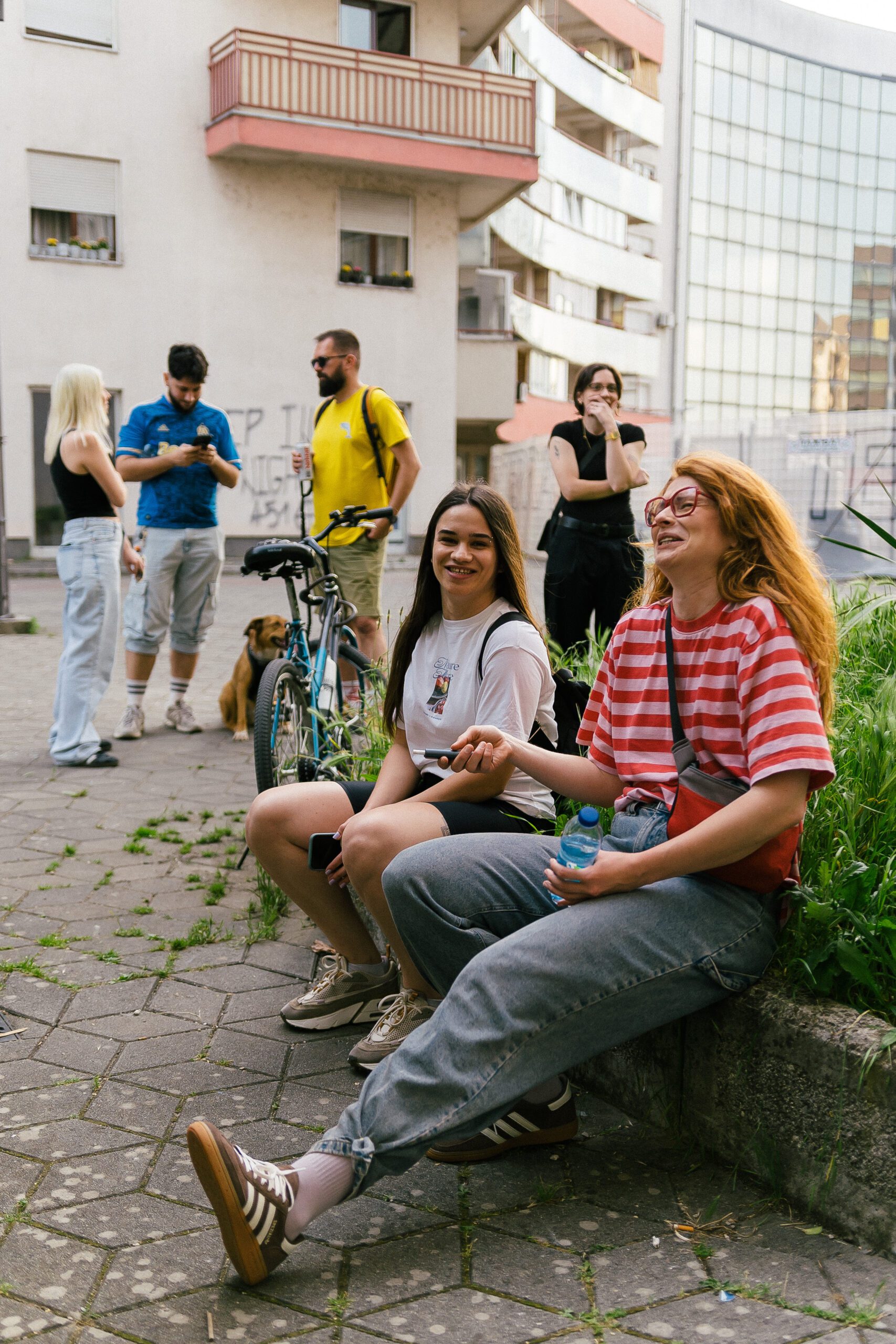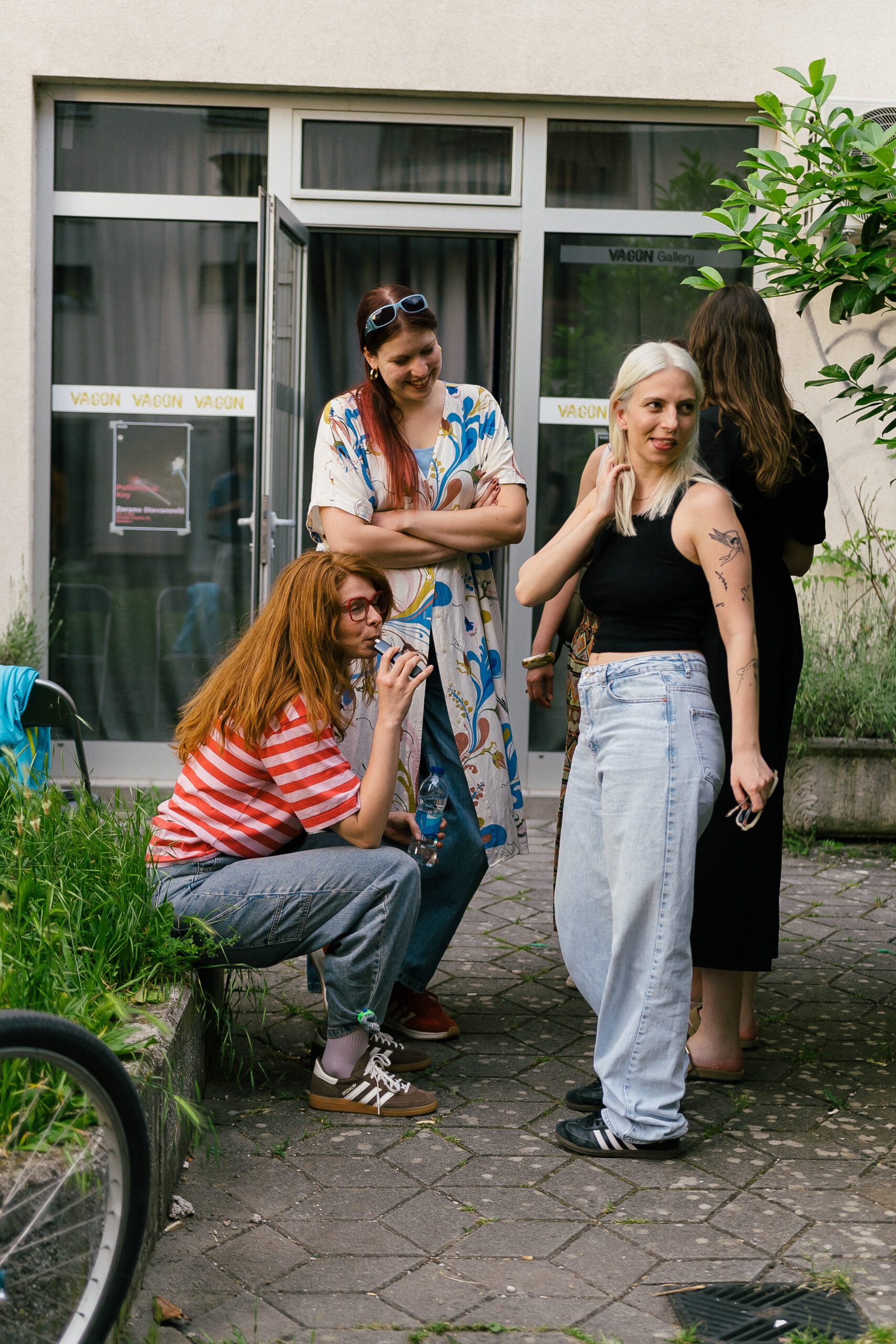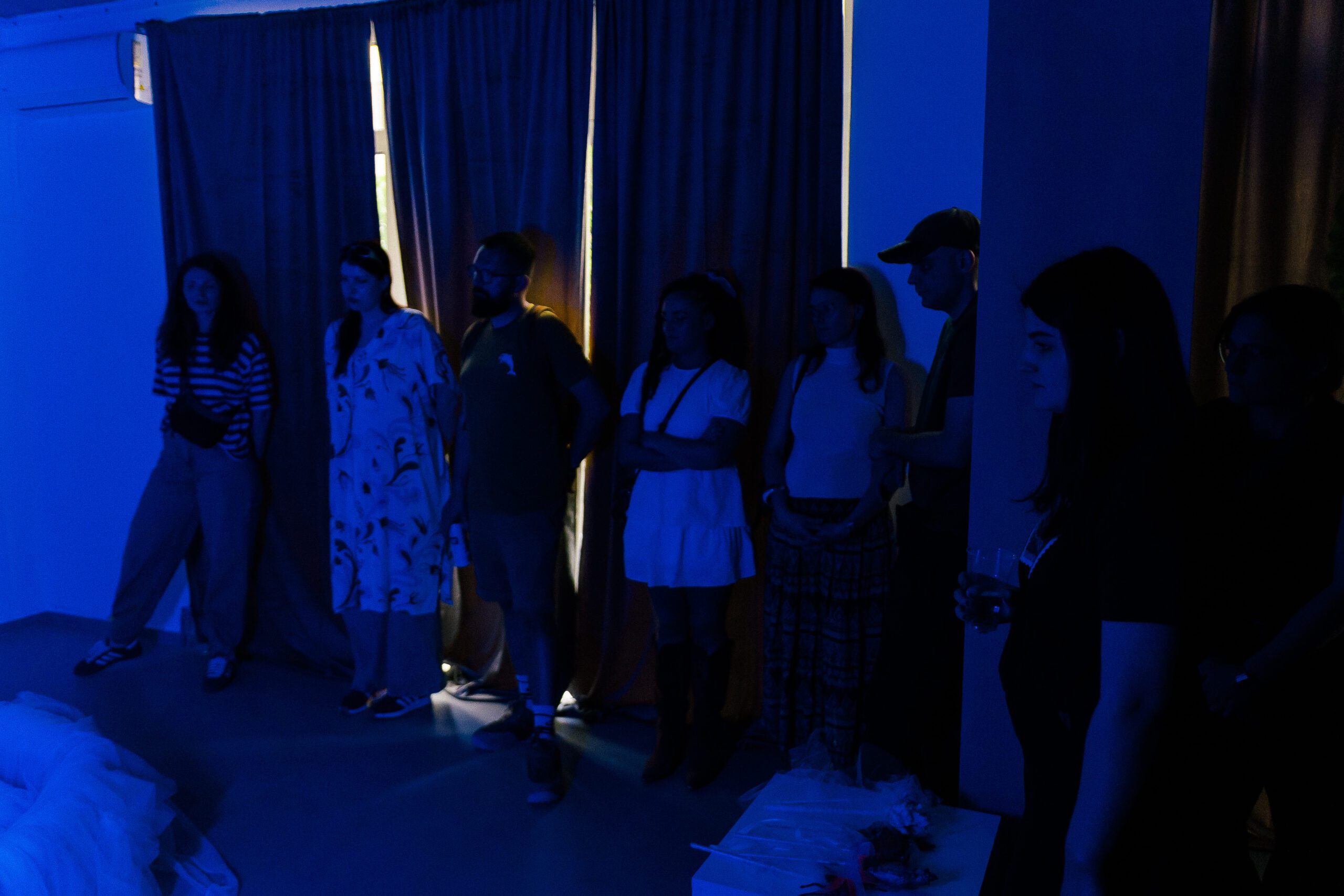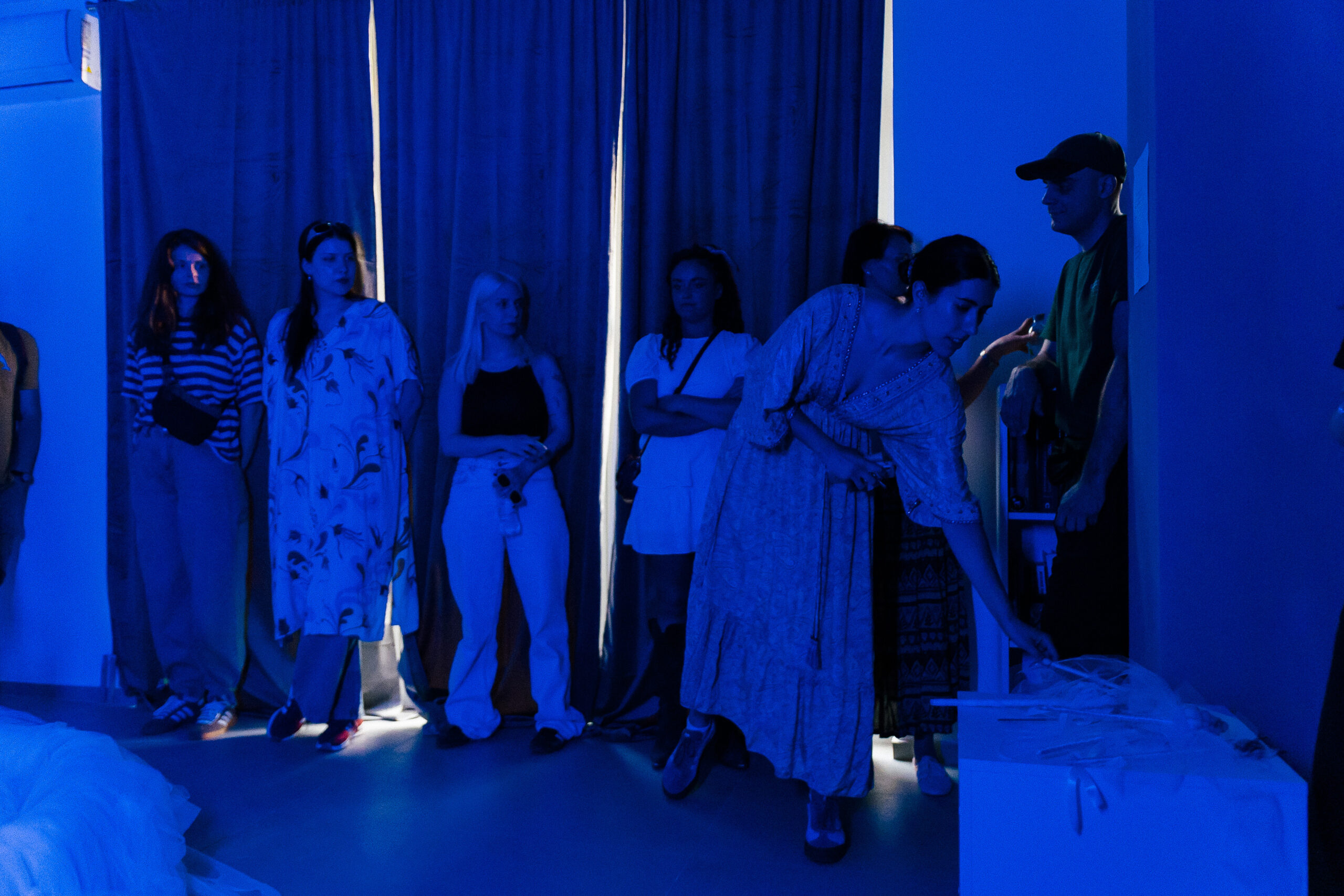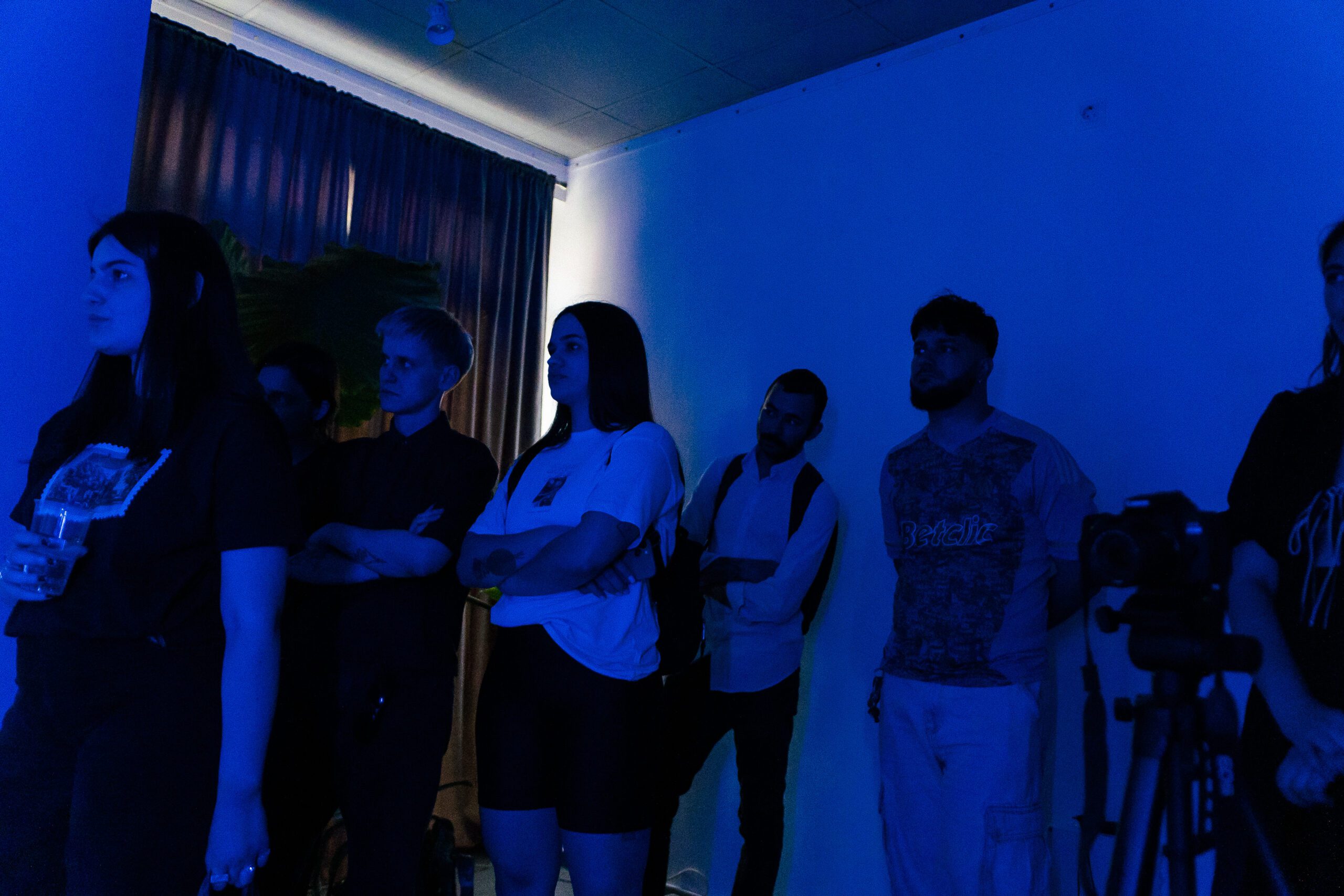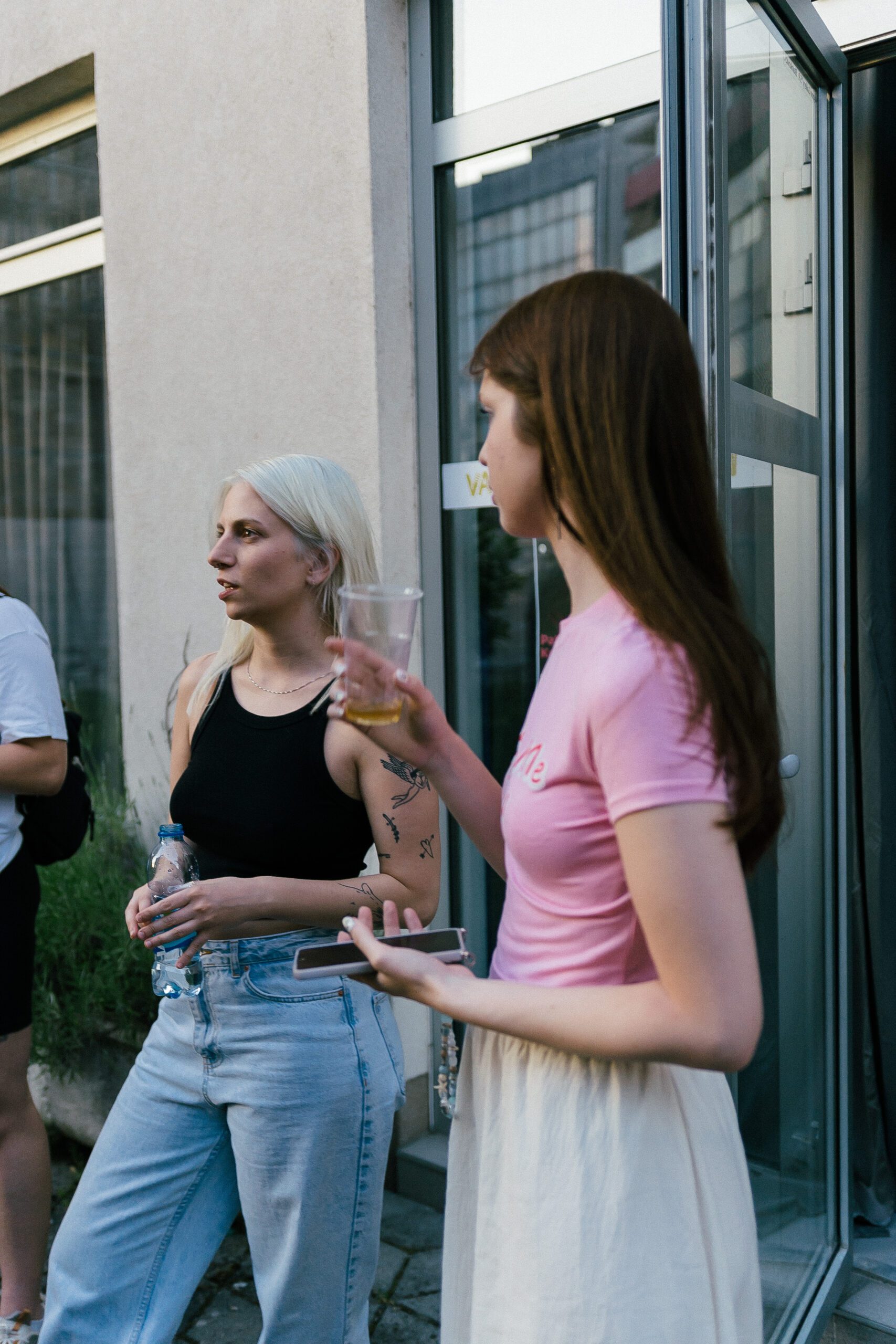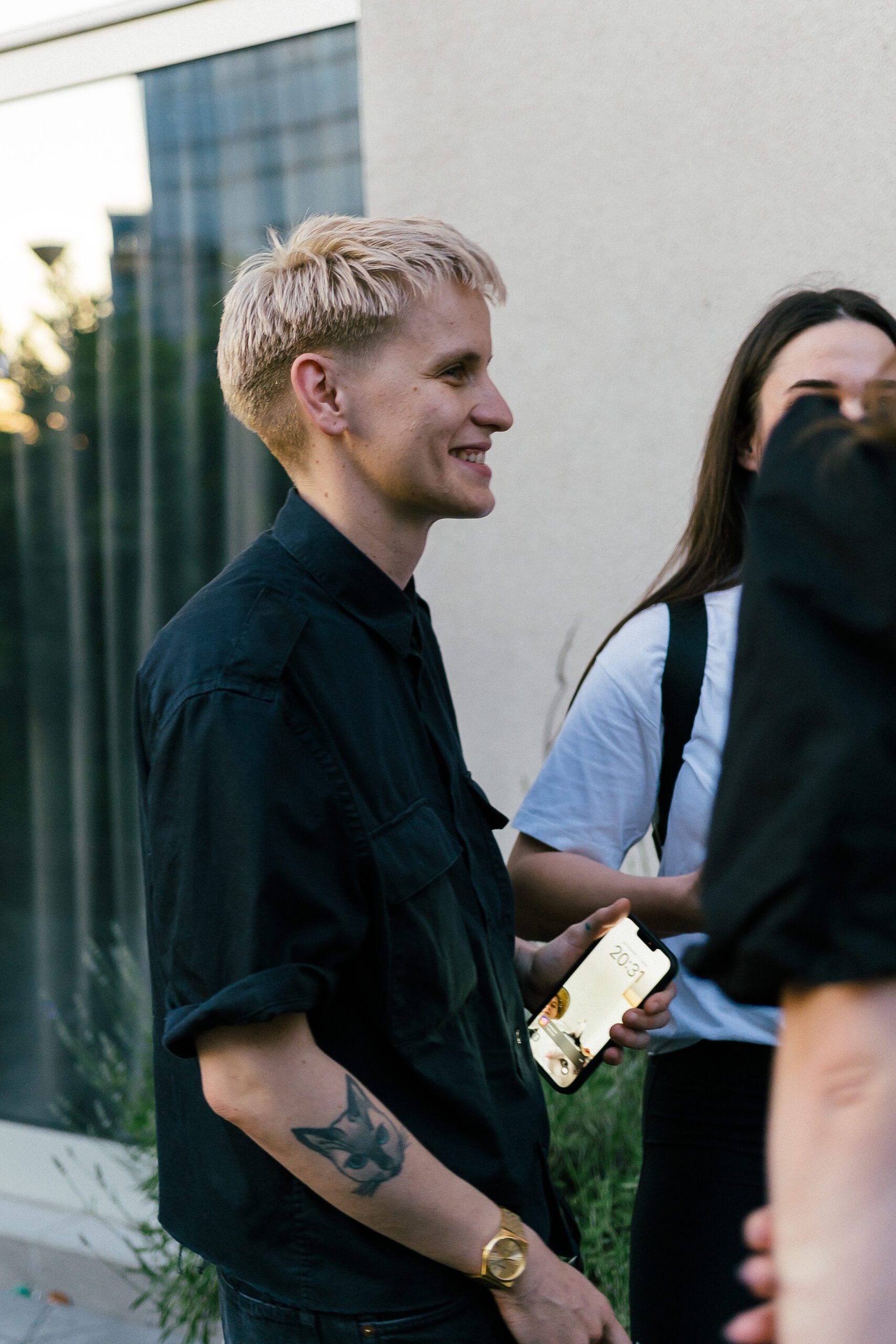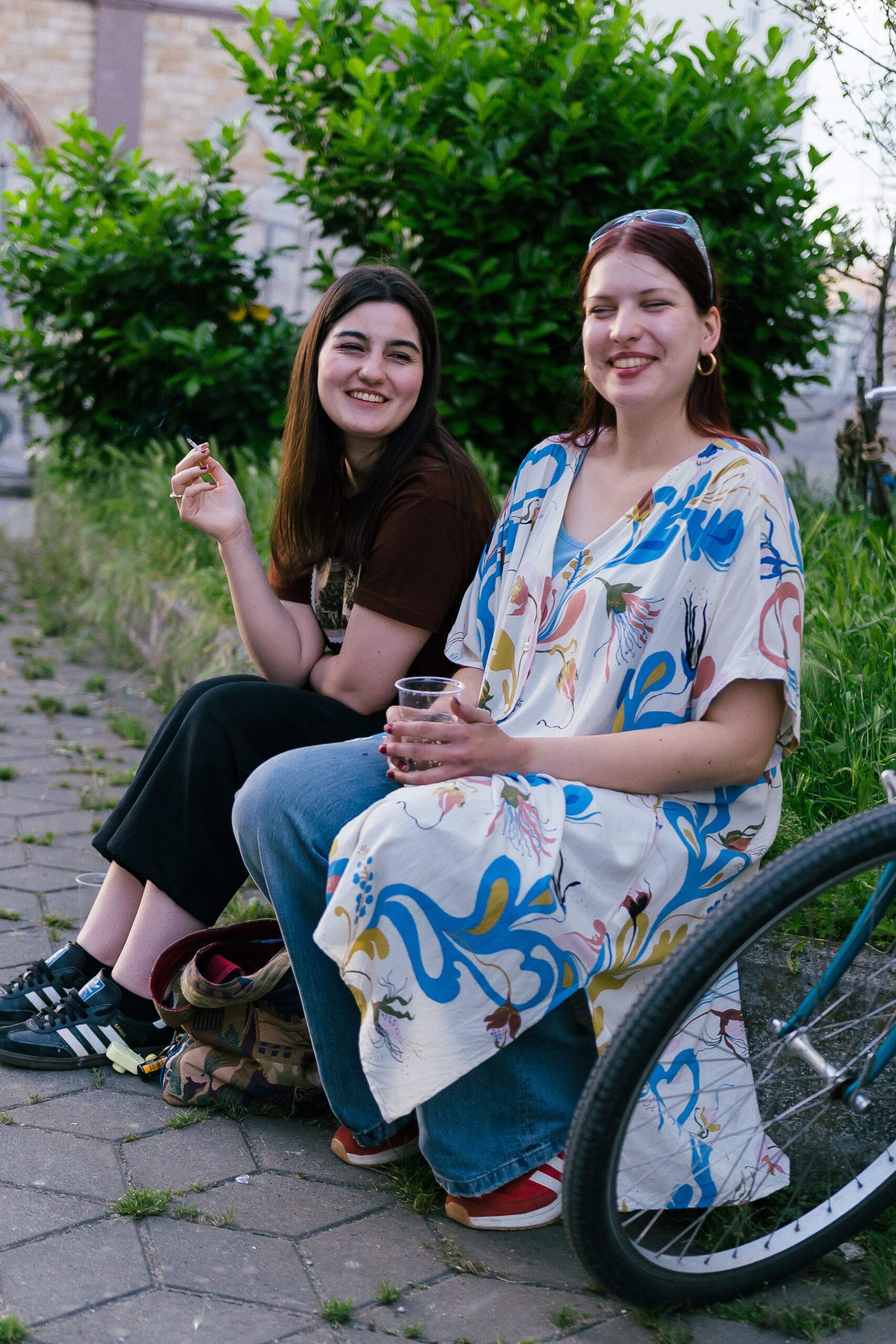

Deities whose temple is invisible, and yet the believers continuously perform rituals, unaware of its actual presence. This God has neither icon nor image. Well—perhaps a manifestation. Its existence is predicated on faith, on the unwavering need to believe in its power. Sounds familiar? The phenomenon commonly known as artistic success. It is not the transcendence of achievement, but the immanence of a system that exists only through its own rituals. In this sense, belief in success becomes an epistemological act—one that is inseparable from the ignorance it presupposes. An ignorance that is not a failure, but a condition of survival in the field of art. To endure, one must believe in a system whose criteria remain opaque, elusive, almost mythical. Doubt simmers constantly, but it survives in the exile of consciousness—as a complex and necessary paradox. The rituals surrounding the aura of so-called artistic success—from selection and evaluation to recognition—are not merely formal acts, but performative rites that reaffirm the believer’s position in the hierarchy of sanctity. By inviting the viewer to cast spells, the artist exposes the inner architecture of belief that sustains the system. It is a diagnosis of the collective religiosity of the artistic field. Hope, in this context, is not an optimistic impulse but a fundamental ontological condition. It is not the light at the end of the tunnel, but a state of being that keeps the ritual alive. Like faith, whose presence is never confirmed but whose absence is unthinkable. In that sense, hope is a continuous performance of belief—and a refusal to believe in absence.
No. Let’s try again.
Dio teksta: Isidora Branković
Zorana Stevanović (1999) je završila osnovne i master studije na Fakultetu likovnih umetnosti u Beogradu. Trenutno pohađa doktorske studije na istom fakultetu. Do sada je realizovala četiri samostalne izložbe. Performanse je izvodila u Beogradu i Banja Luci. Osim toga, učestvovala je na brojnim grupnim izložbama i rezidencijalnim programima u zemlji i inostranstvu.
Njena umjetnička praksa istražuje teme konzumerizma, emocionalne ograničenosti i individualne preosjetljivosti u savremenom društvu, koristeći različite medije i pristupe kako bi pristupila tenzijama između ličnog iskustva i šire društvene dinamike.