
INSTRUCTIONS: INFORMATION FOR USERS
Tijana Petrović
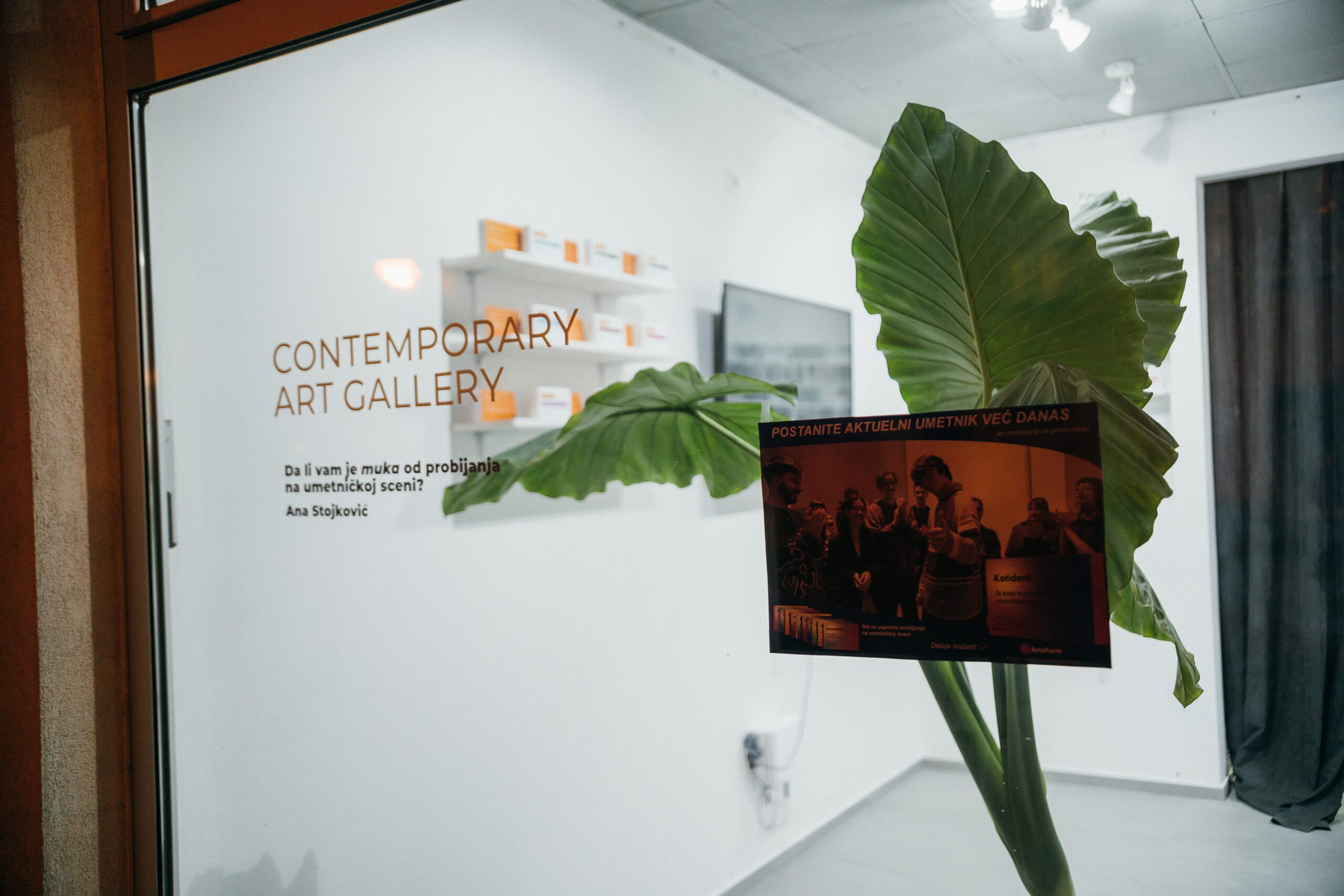
Are you tired of breaking through on the art scene?
Exhibition by Ana Stojković
Contents of this leaflet:
Name
Concept and Background
What are these medications and what are they used for?
Humor and Reparation
Broader context
Exhibition content and other information
Reference
1. Name
Are you tired of breaking through on the art scene?
2. Concept and background
How to break into the art scene?
How can we imagine an alternative way?
Why do you need to break through?
What "side effects" accompany a successful breakthrough?
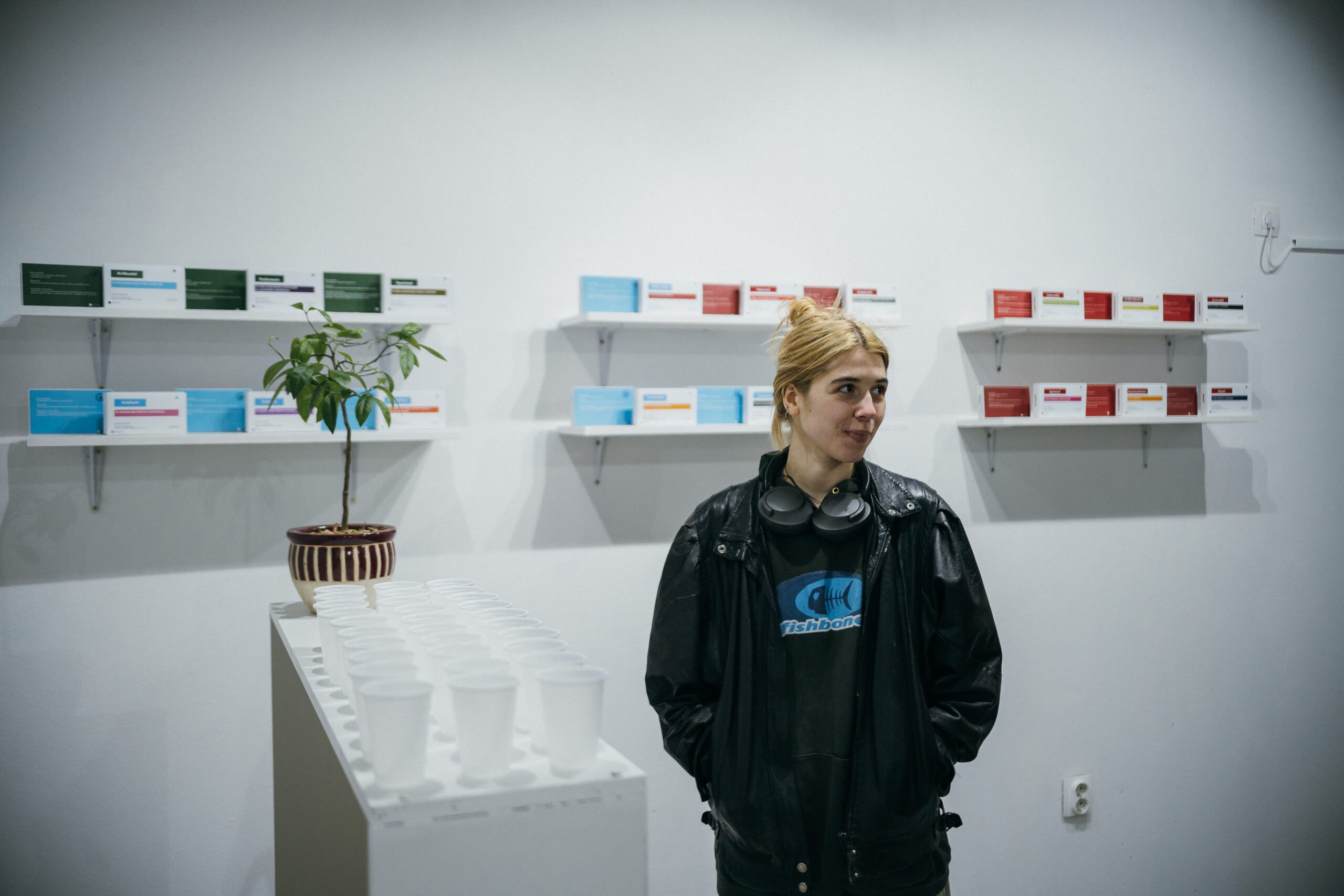
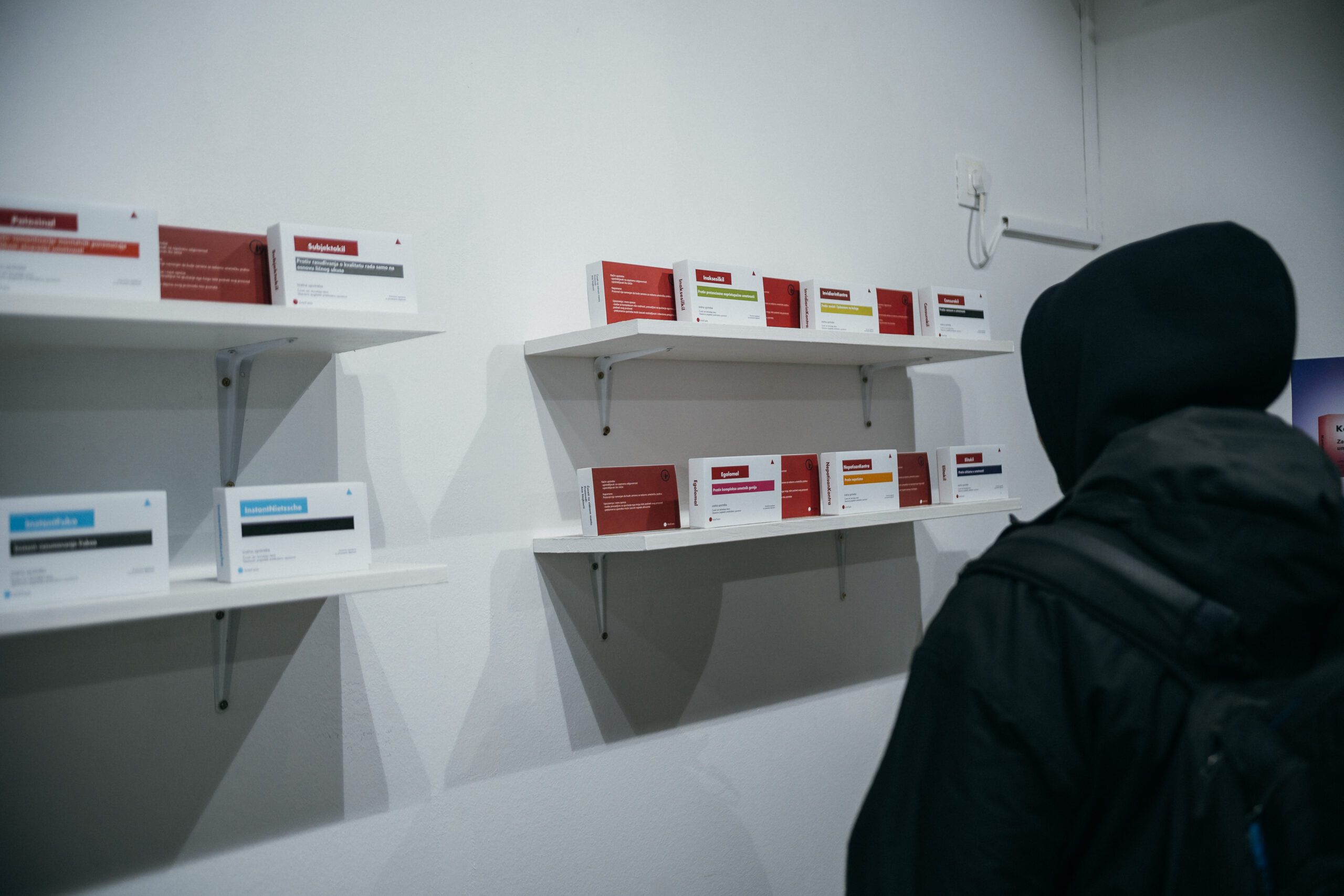
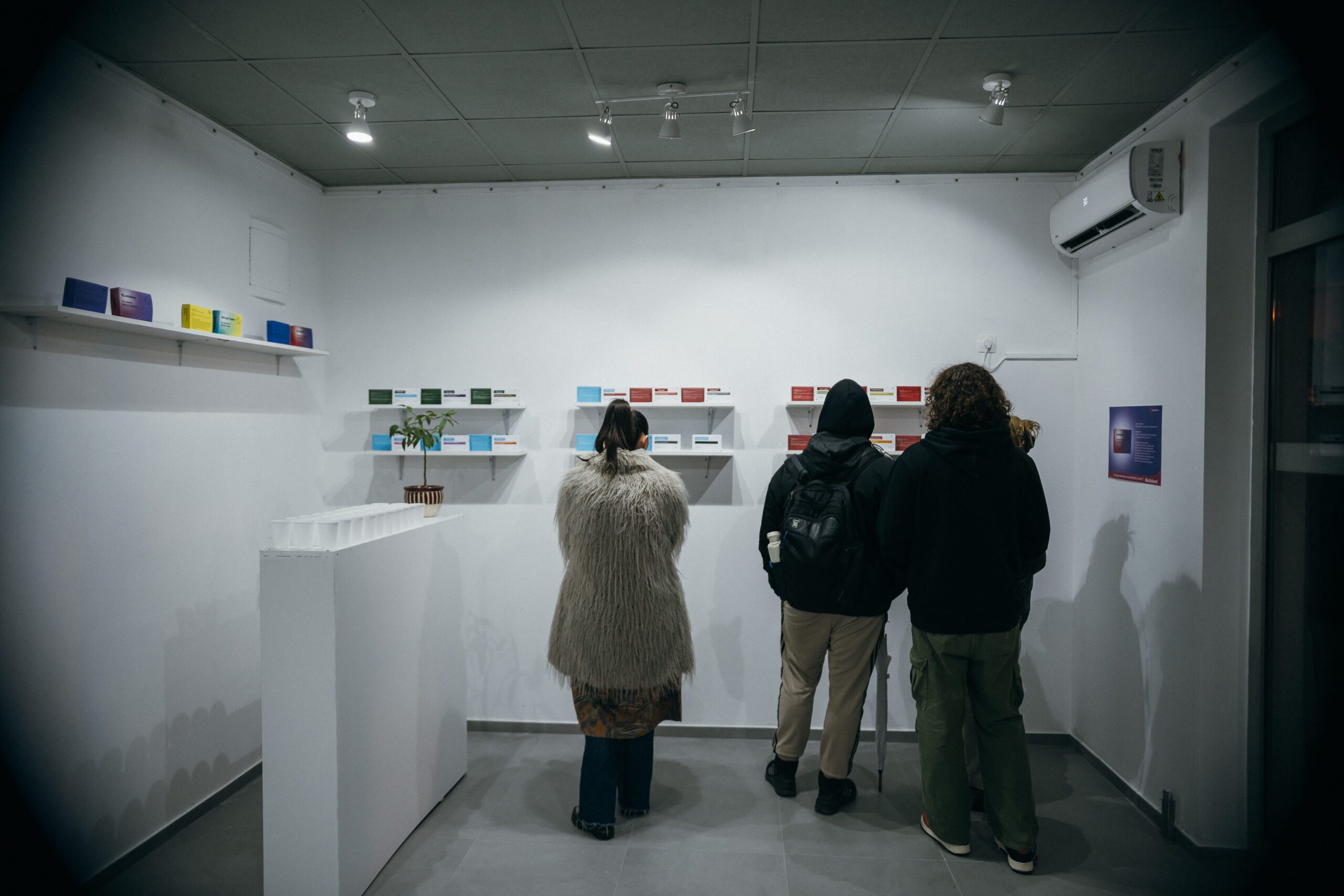
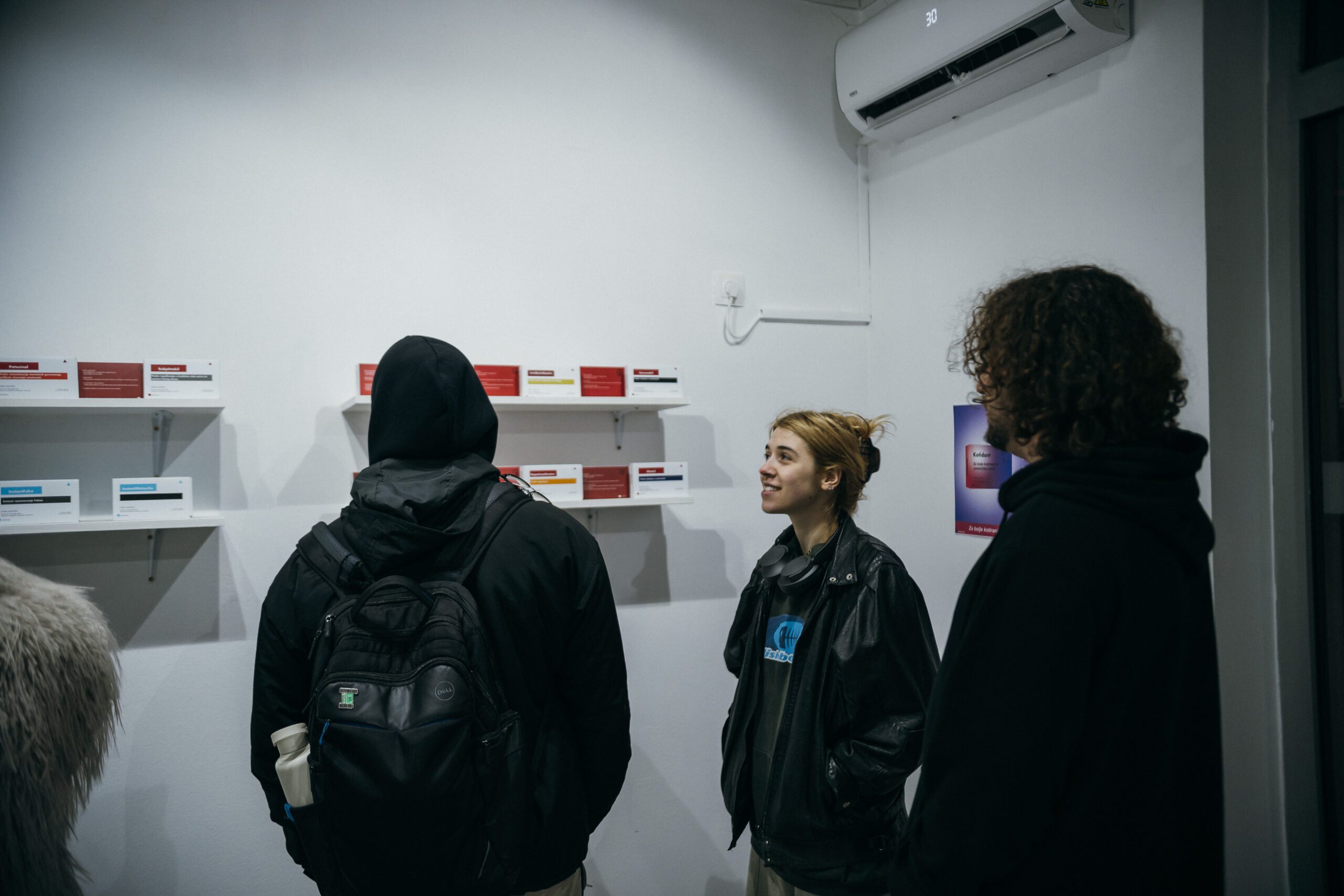
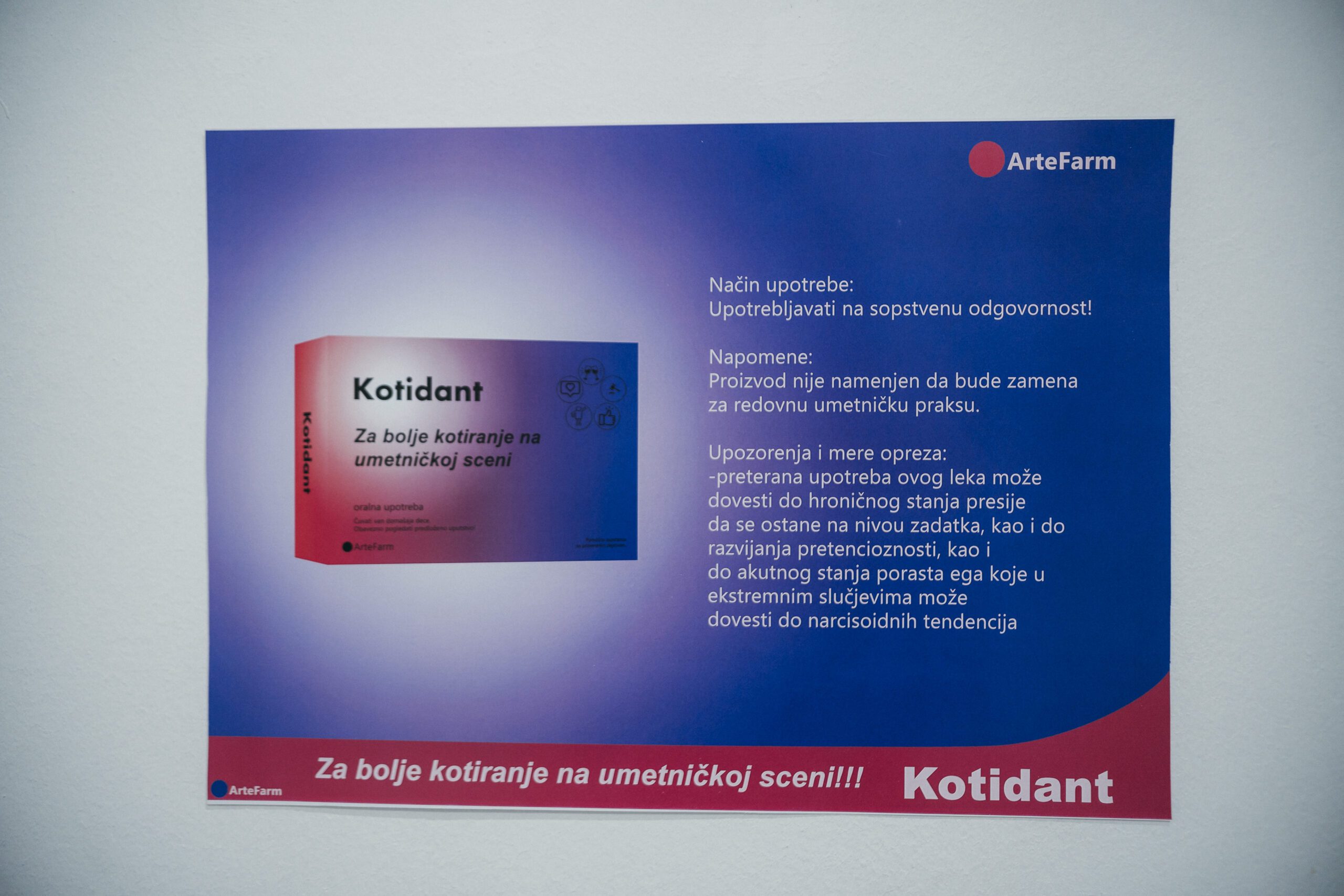
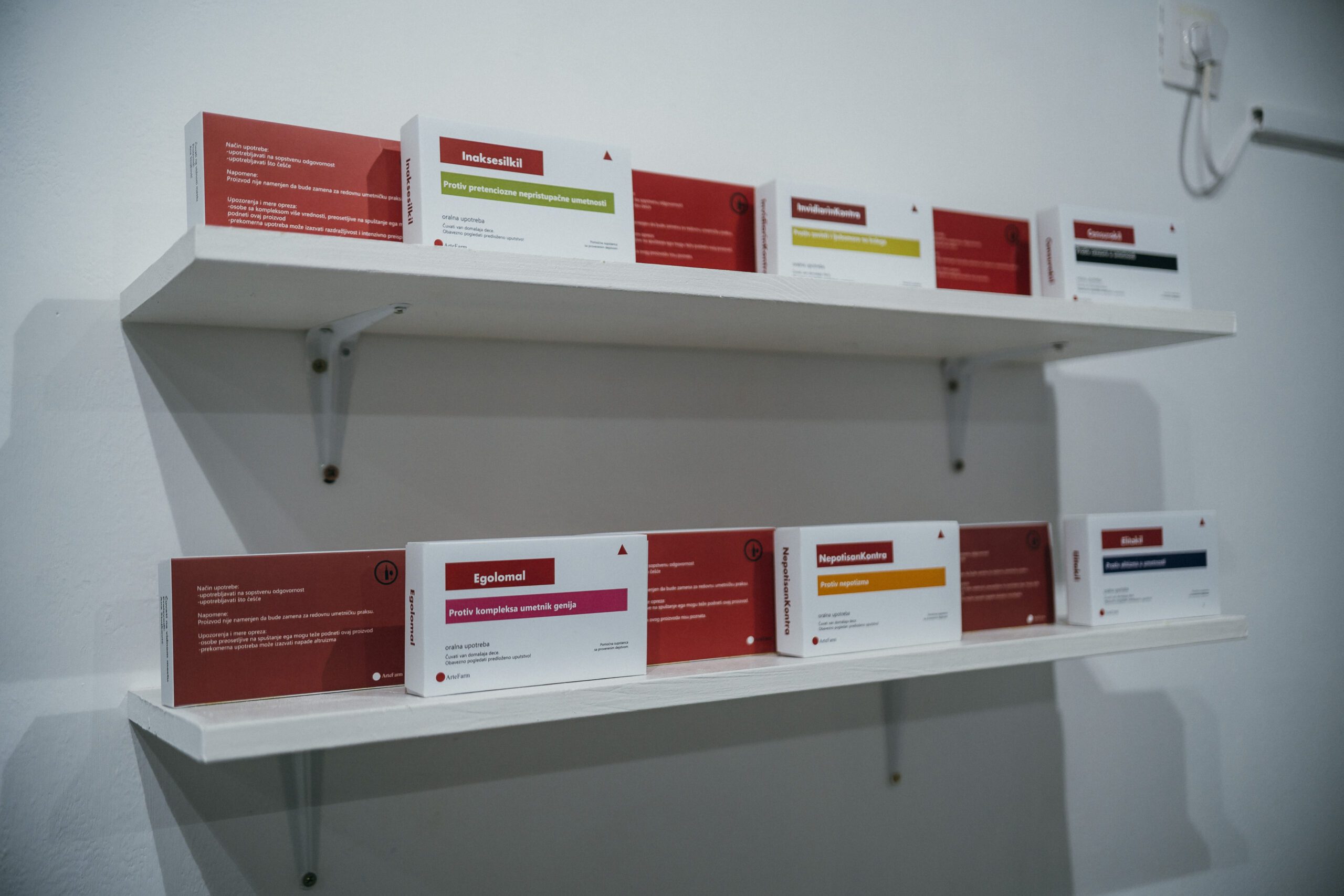
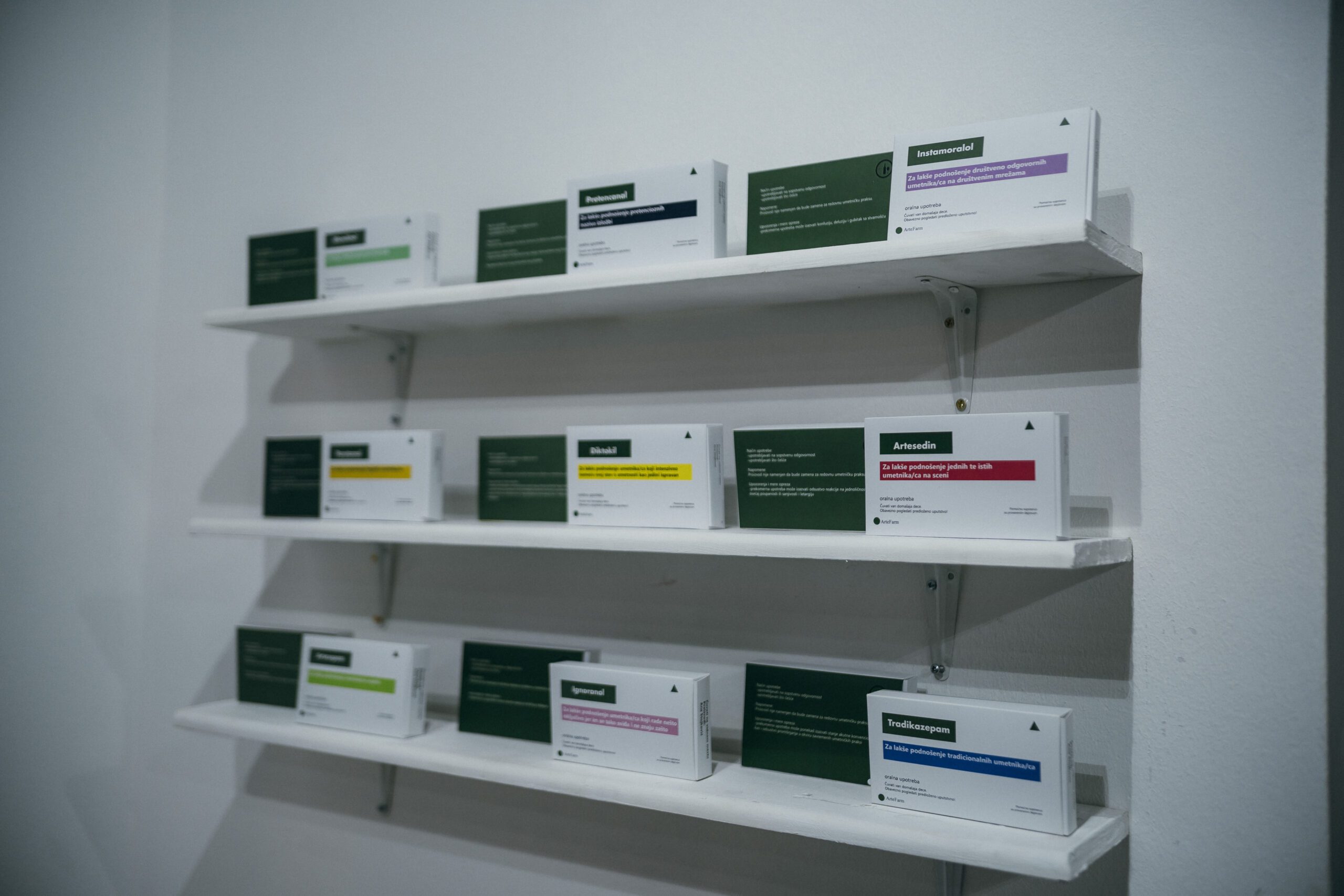
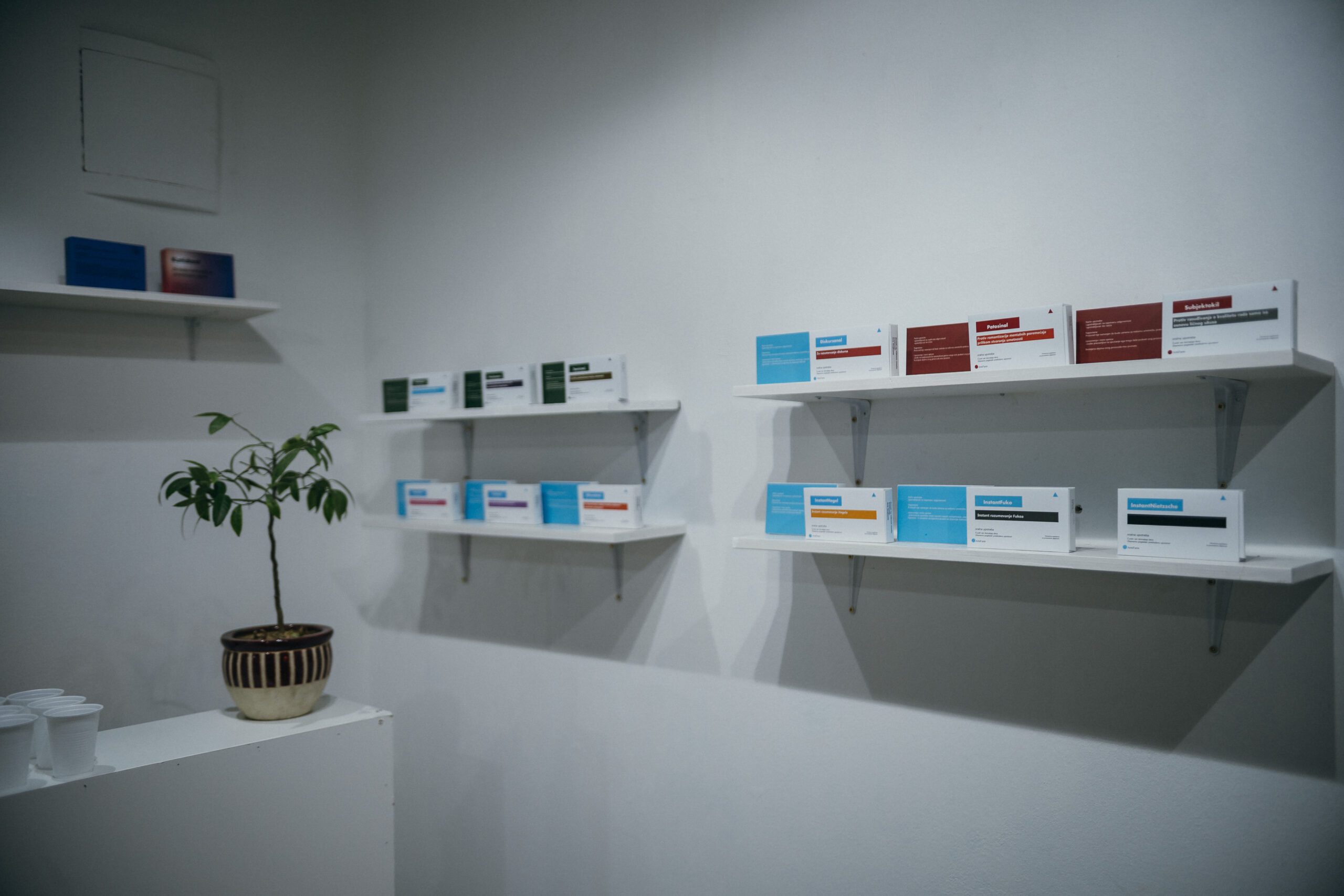
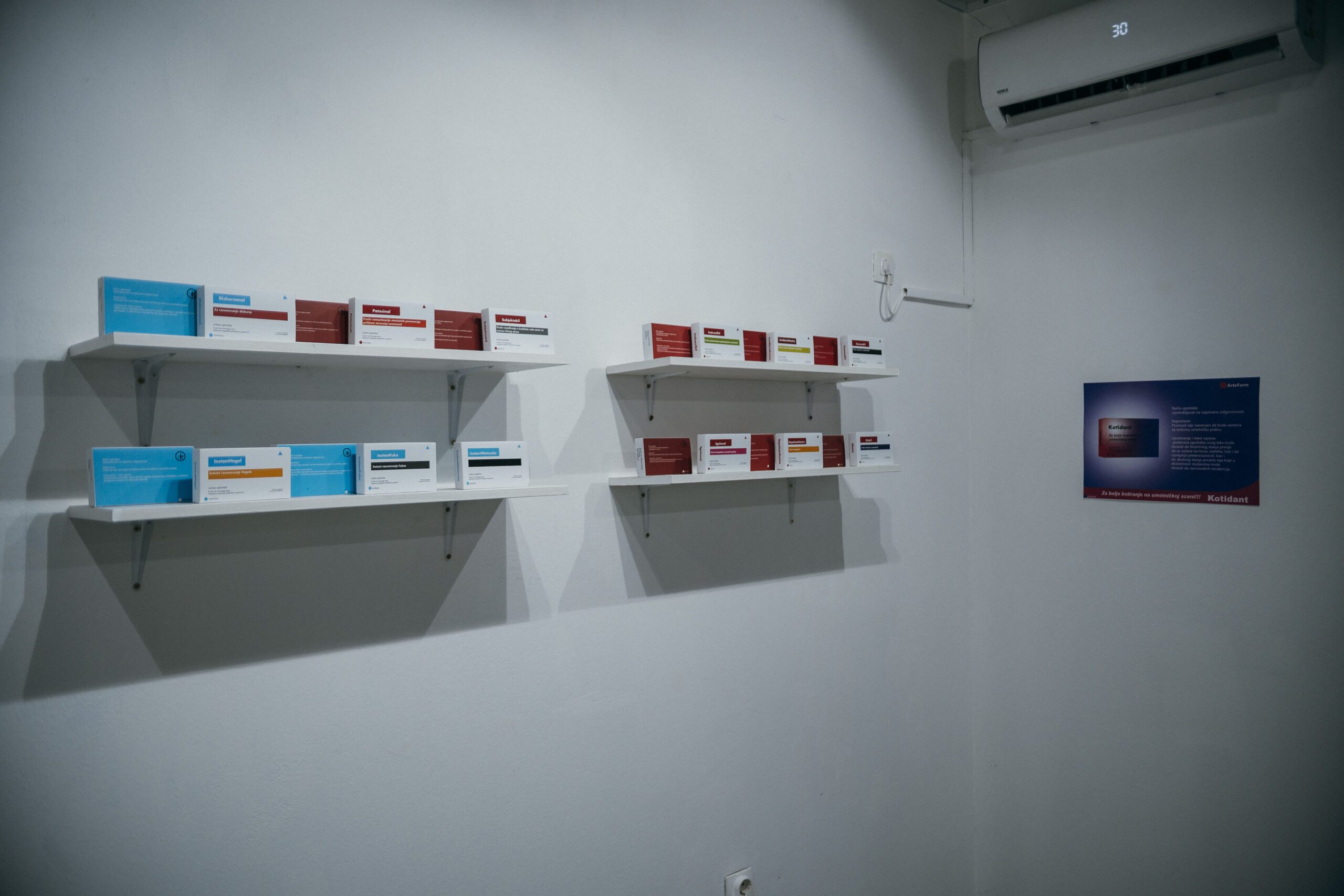
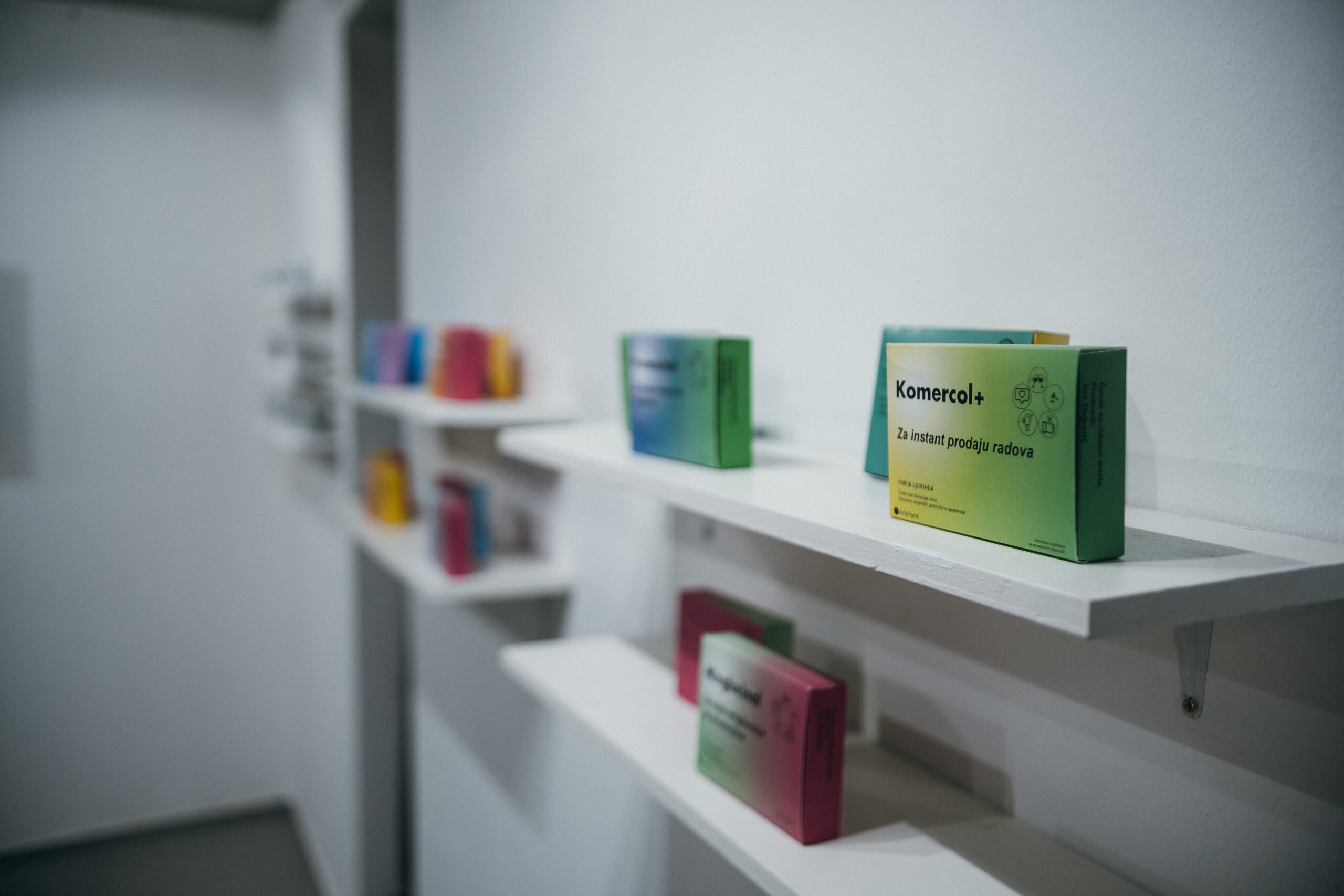
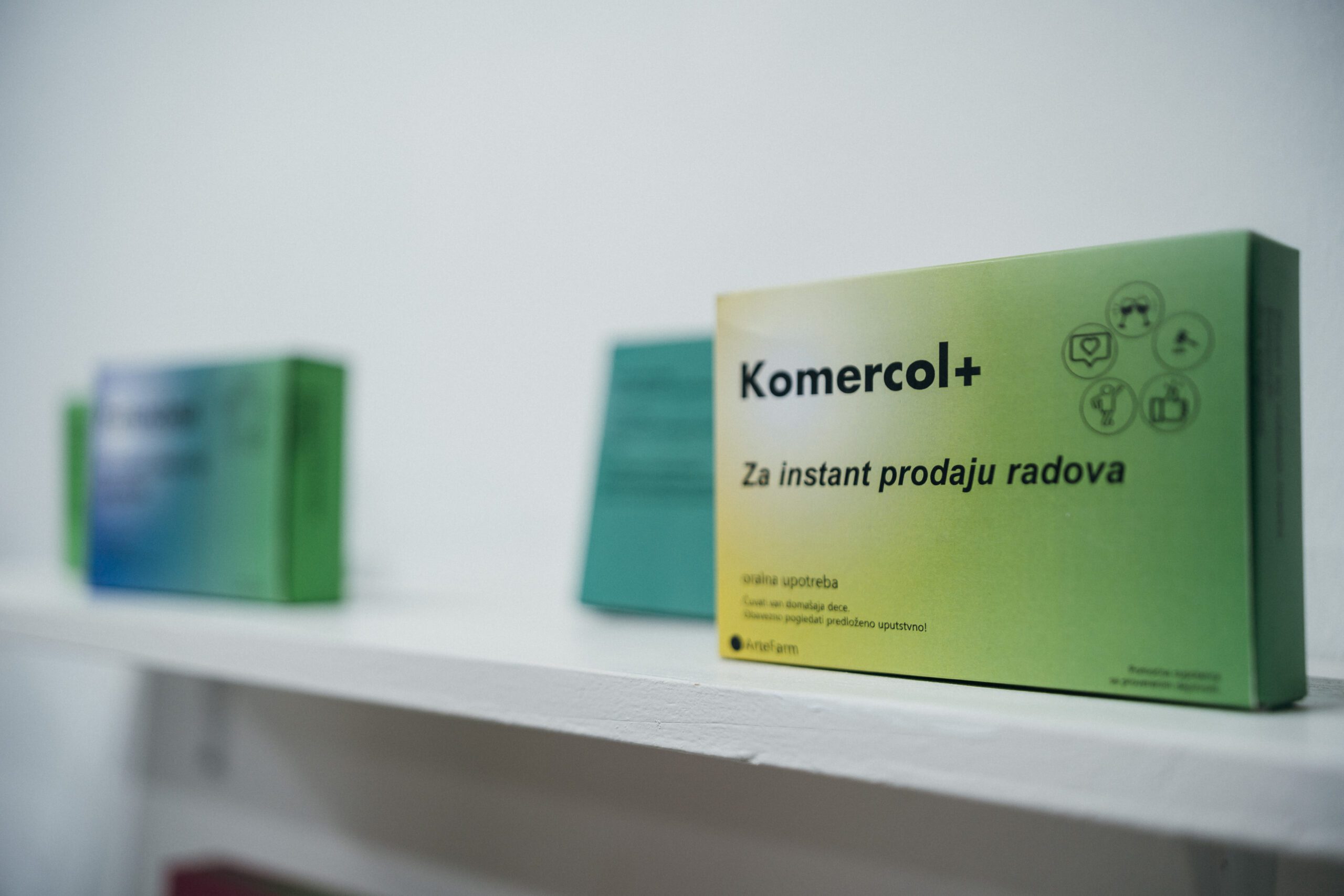
These are some of the questions that Ana Stojković (in)directly addresses through the exhibition "Are You Sick of Breaking Through on the Art Scene?". Starting from an obsessive exploration of the ubiquitous mass appeal to instant solutions offered through the use of various drugs and the plastic identities they open up to us, Ana continues this practice into a new approach and research. Connecting the topic with the crisis of the banal (questionable, brutally honest) question: "Are You Sick of Breaking Through on the Art Scene?", Ana uses the language of pharmaceutical products and advertising, promising a solution before it is visible. Through the practice of speculation, she offers a humorous strategy and artistic opposition to an instant solution. In this way, she offers a space for criticism of values that are desirable and present in an artistic career, and which rarely find their criticism in public.
Obsessive research into medical drugs and their pervasive role in contemporary society, as well as in personal experience, is a theme that has been running through Ana Stojković's practice for years.
The reflection of the chemical world and medicines as a new sacrament was clearly reflected through the use of landscape. If the landscape is understood as a frame of one's own world, Ana depicts that world as an expanse of daily horror that spreads as a permanence, leaving the observer powerless and ephemeral. Already in this practice, the presence of satire and grotesque expression appears not in a sublime state of mind (as it appears throughout the history of art), but in the understanding of values that become greater than us. The effect of such drawings is a toned sensitivity whether the inner order can be certain reparations is not in our hands.
Medicines are, first and foremost, apparatuses of the pharmaceutical regime, closer to the concept of dispositif (Foucault) than to the concept of a scheme of powerful economic interests, as is commonly criticized. Medicines serve as a key site of the transformation of perspective that characterizes medicalization, shifting the view of health, nature, and identity from a categorical to a dimensional framework (Collin, 2016). This means that the focus is shifted from locating the presence of abnormal events to placing such events on an infinite continuum. Given the concreteness of medicines that are not necessarily present in identity to the plasticity of the identity that authorizes it, medicines insert a discourse in the production of contemporary society of experiences, beyond the medical sphere.
3. What are medications and what are they used for?
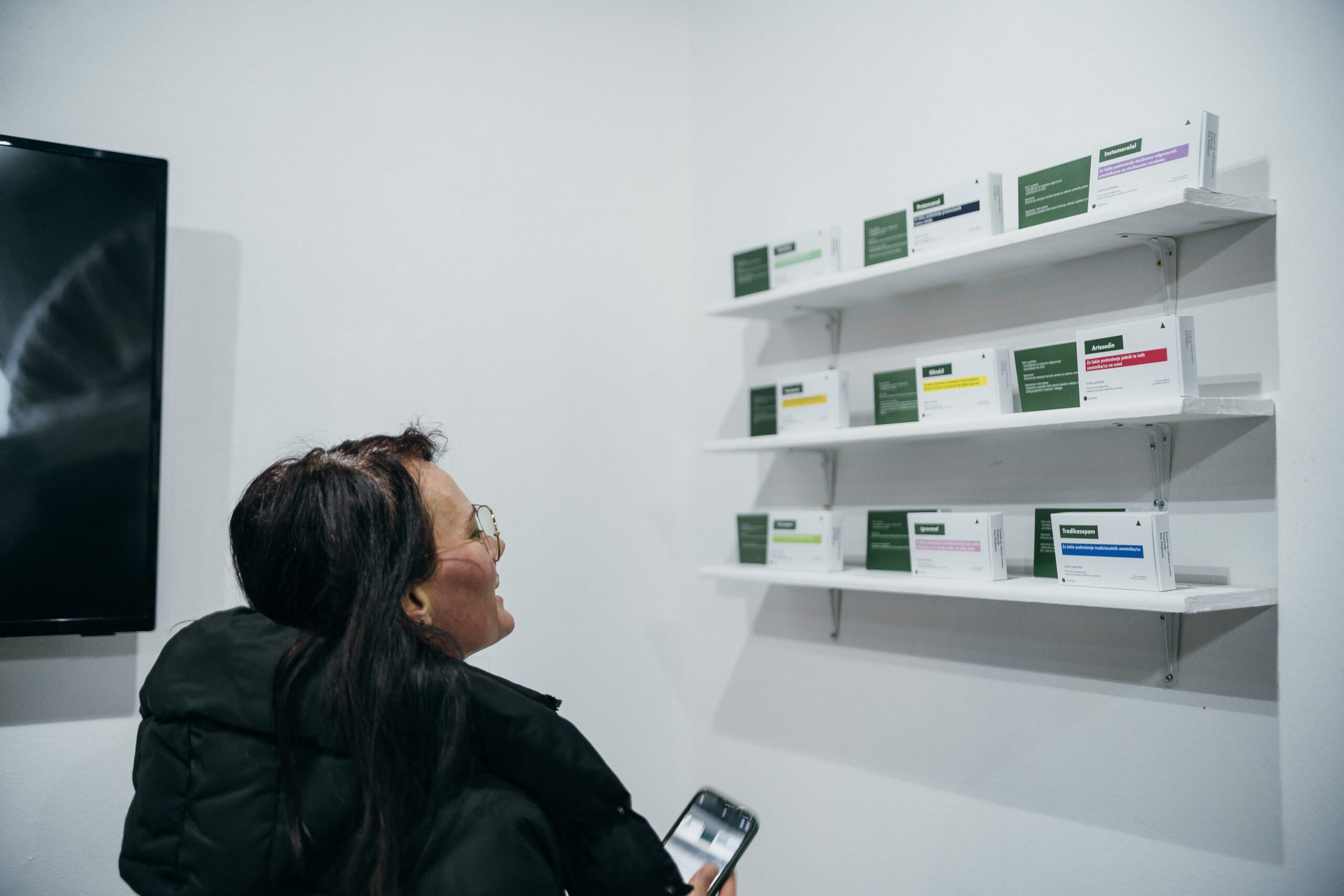
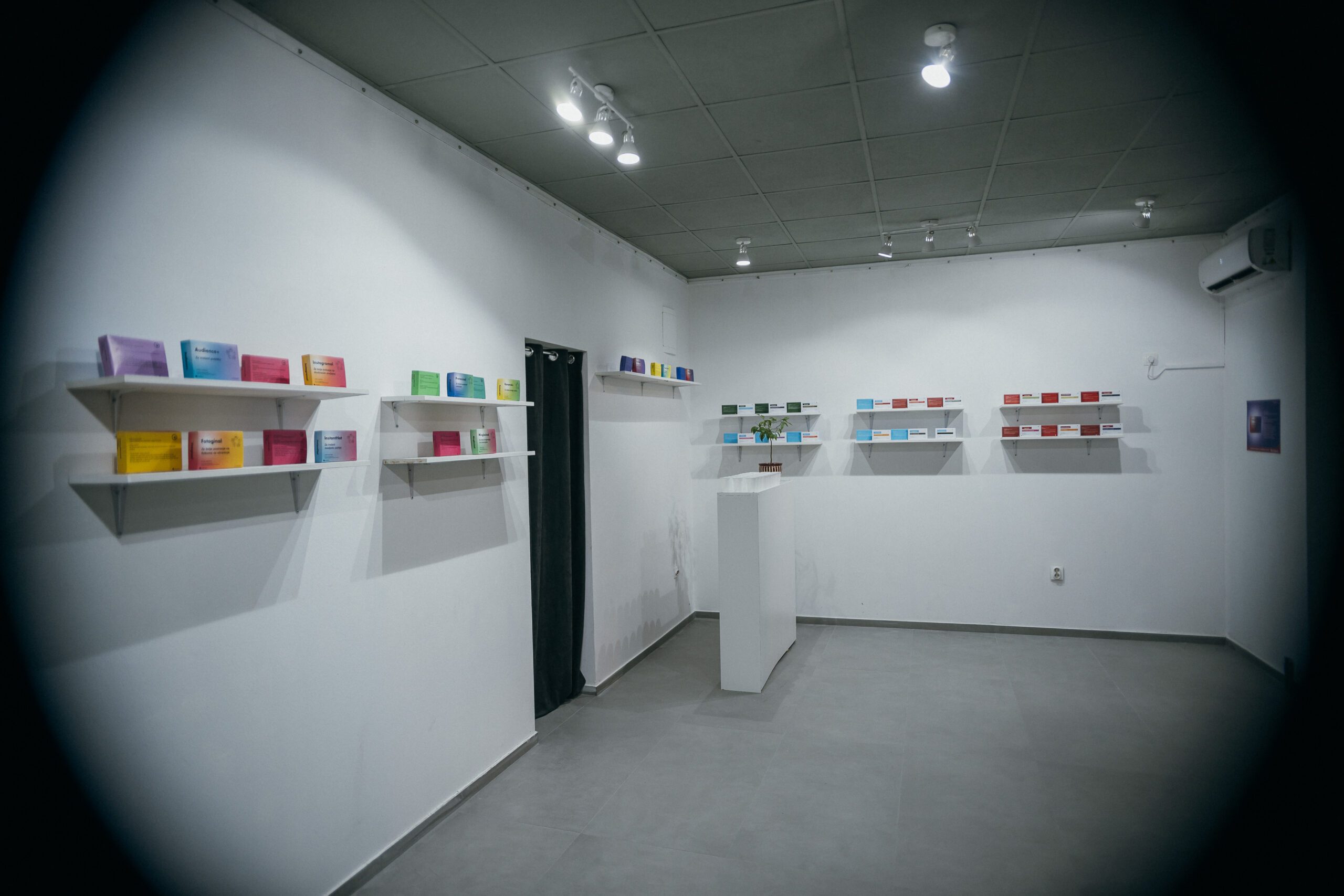
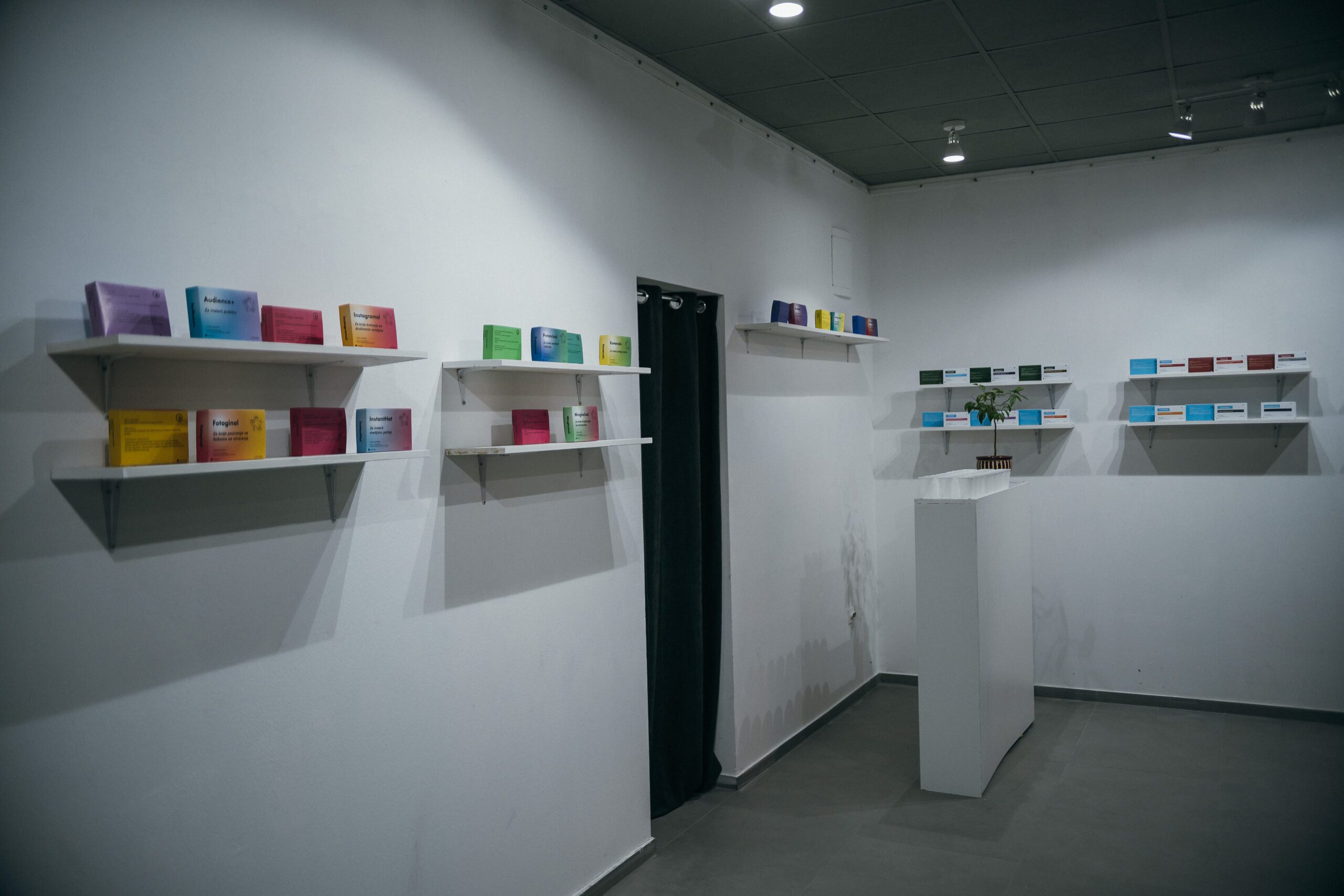
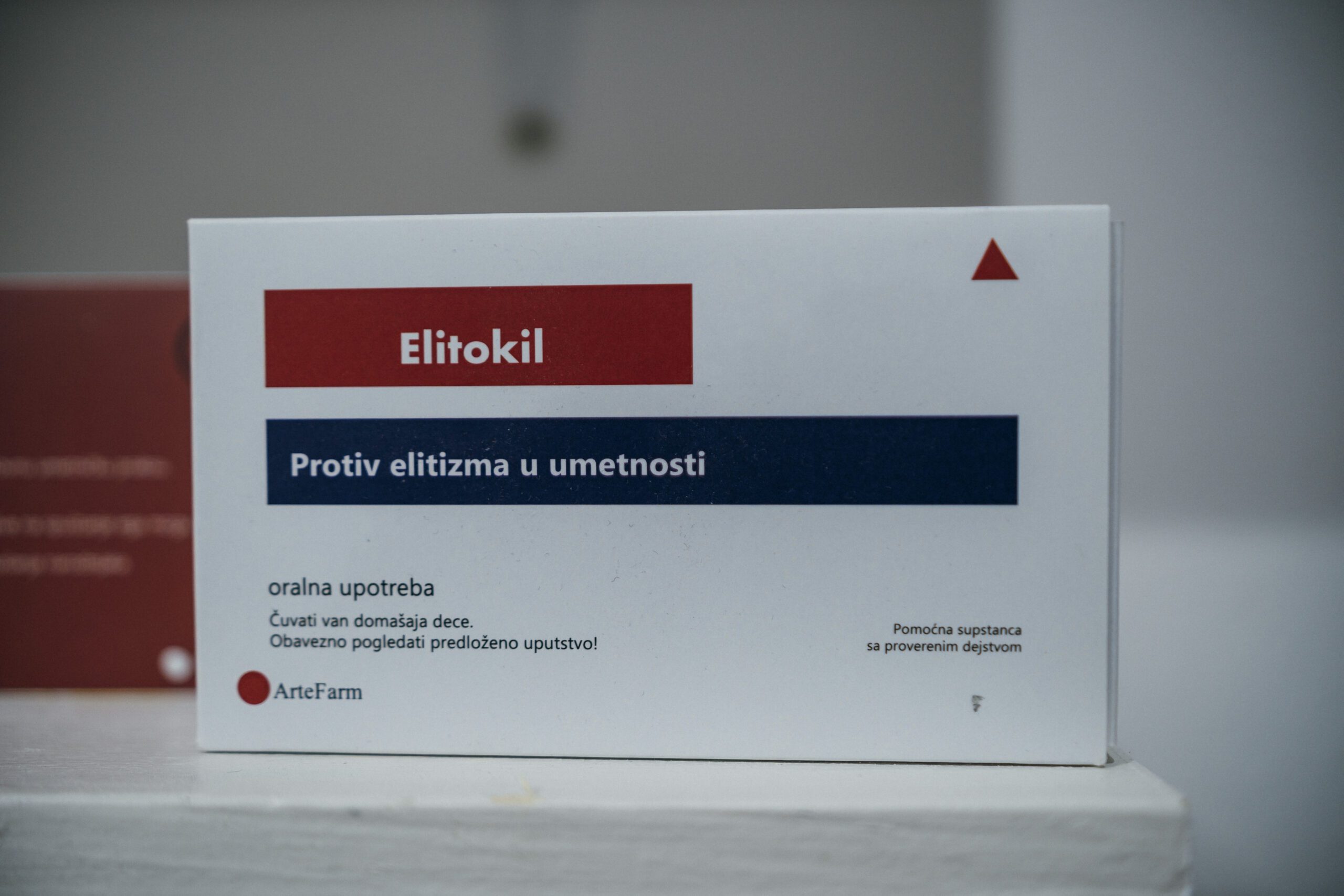
The fictional pharmaceutical company Had a Sister's drug series has nine main categories of medications in its catalog so far:
Medications to make the art scene easier to bear;
Medicines for a successful breakthrough on the art scene;
These drugs can be further classified as follows:
Medications to make the art scene easier to bear;
Medicines for survival on the art scene;
Medications that prevent the occurrence of negative side effects when present on the artistic scene;
Remedies for the theoretical, philosophical and discursive understanding needed to access the current art scene.
4. Humor and Reparation
How to say what everyone knows, but no one wants to say?
One way to criticize the current situation is to rely on humor and the grotesque, especially if the topics are personal and complex. Humor, in addition to being the most accessible and effective form of criticism, is a strategy for recognizing and establishing contact with the audience.
In this case, the audience is a group of artists and art professionals, art students, and others who encounter similar challenges, questions, and contradictions in their own artistic work. Humor offers a space to make sensitive and sometimes painful topics more acceptable for consideration.
Within this broader context, the trajectory of Ana Stojković's practice adds another perspective to the problematization and ironization of the role that the pharmaceutical industry has, or can be imagined to have.
6. Exhibition content and other information
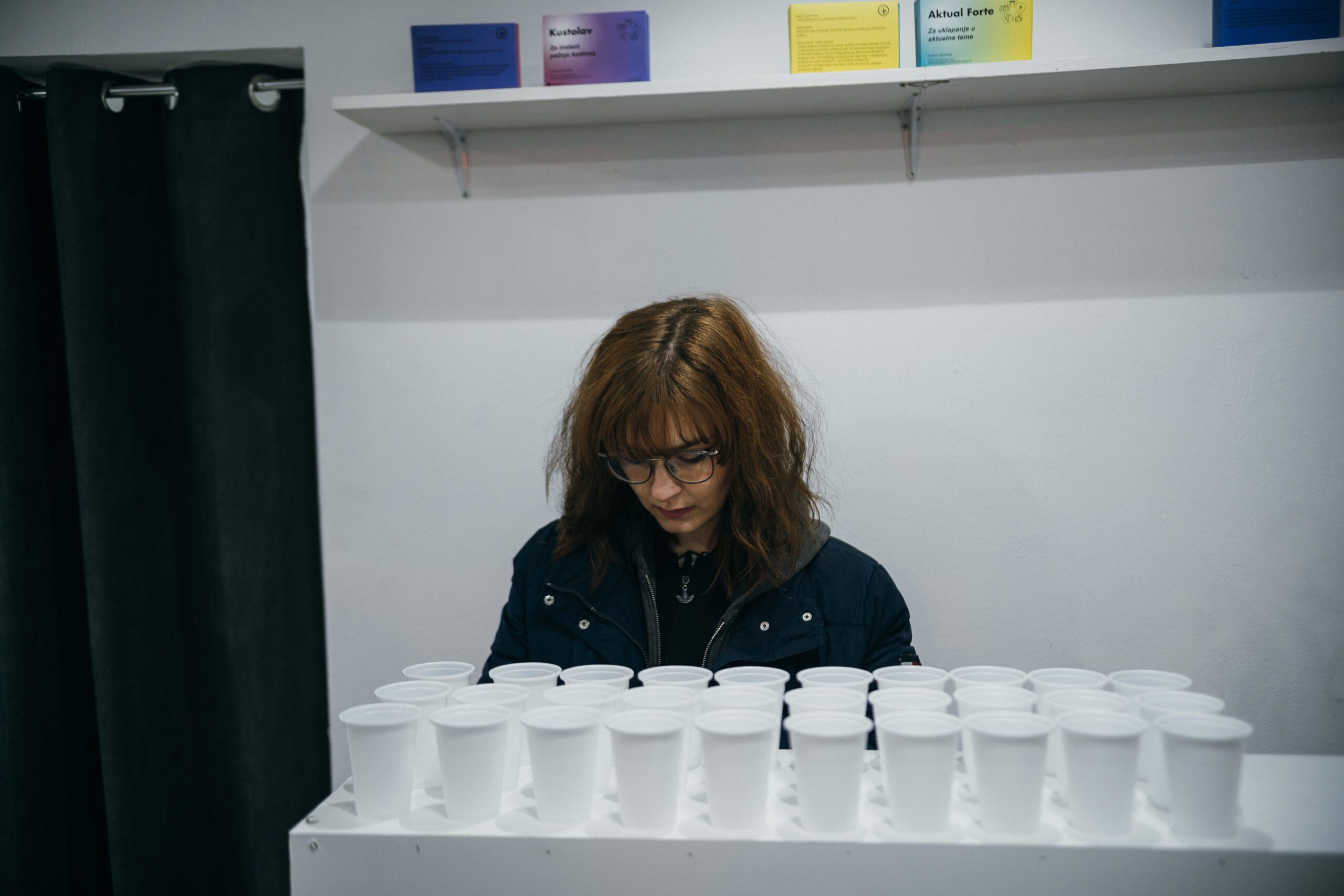
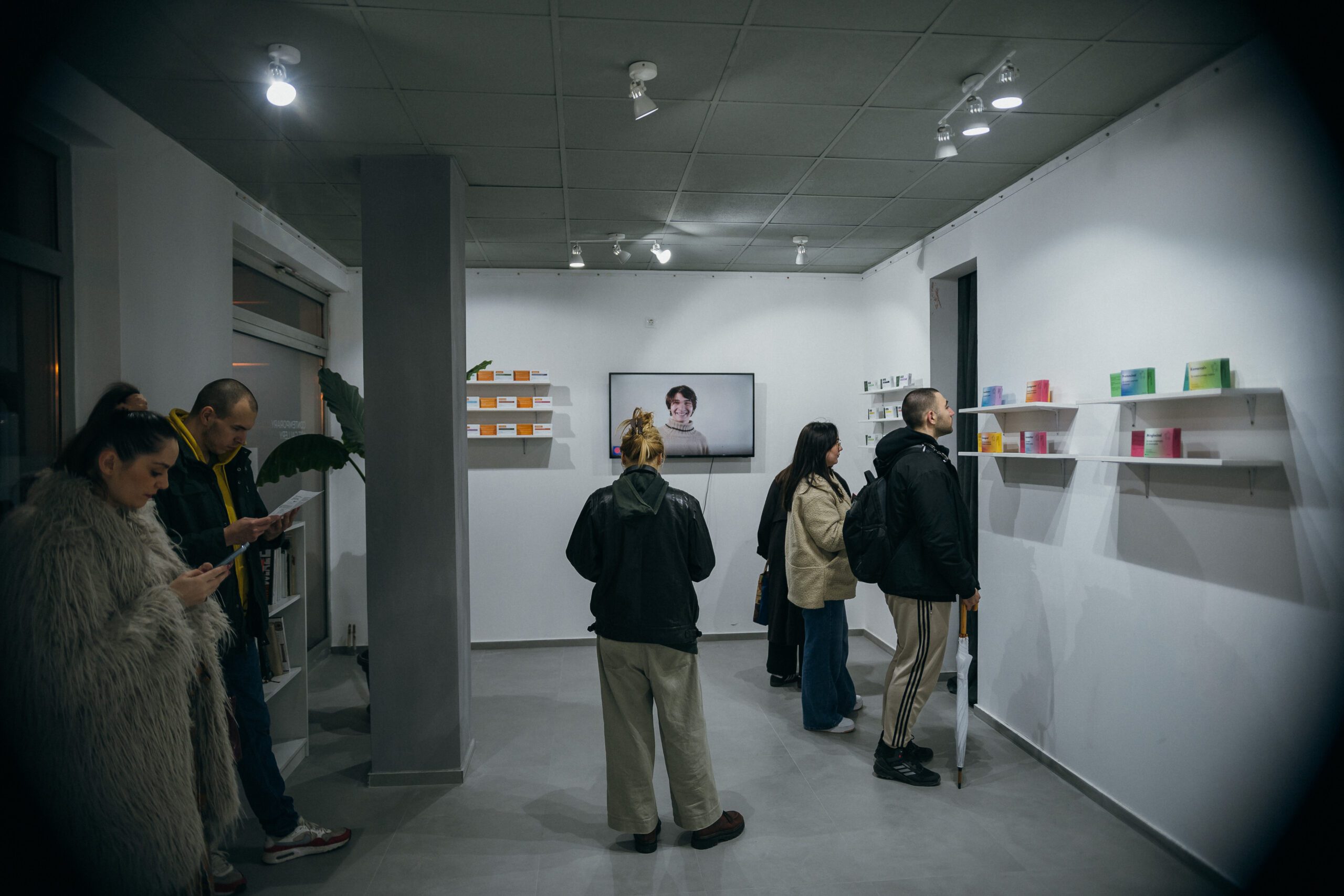
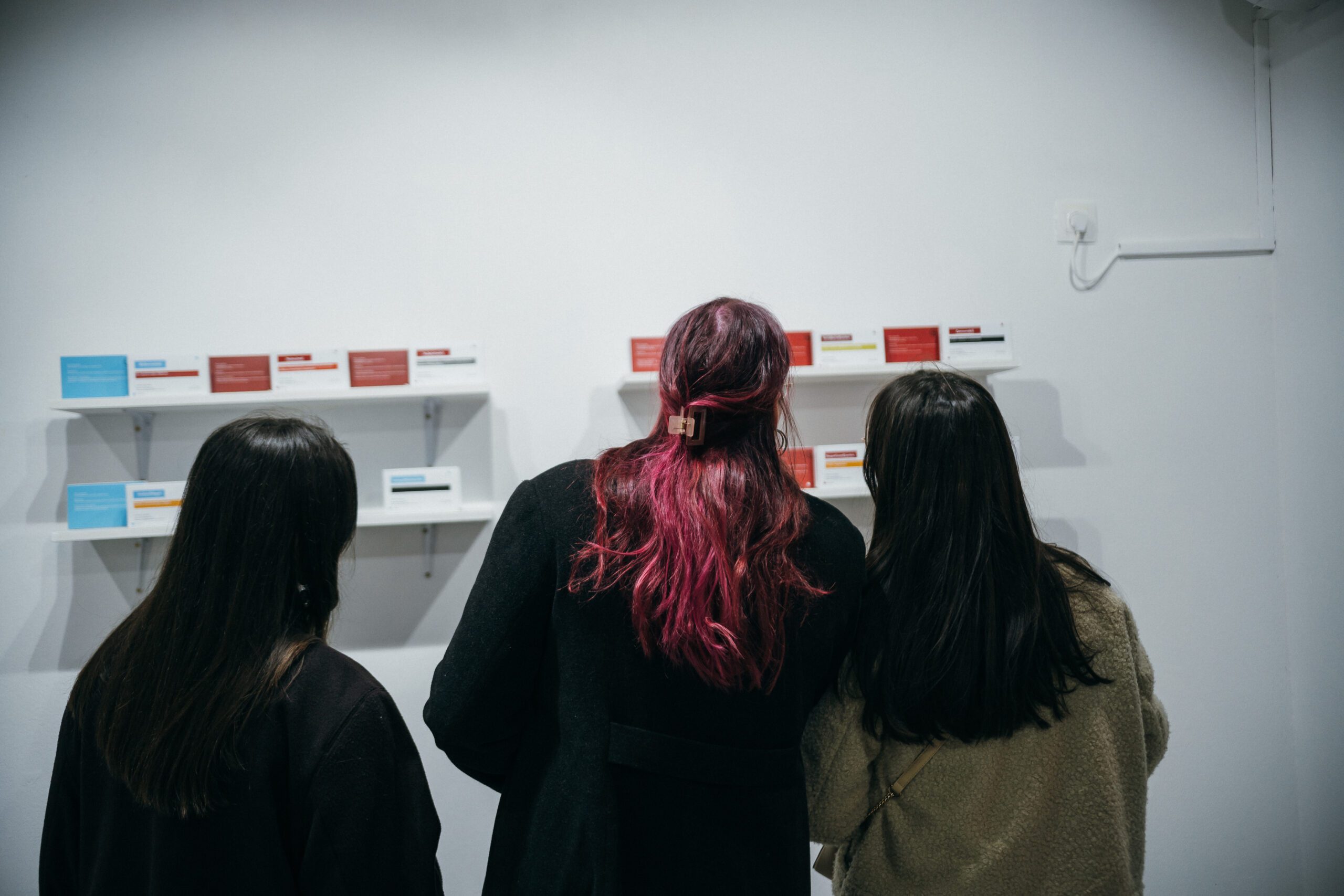
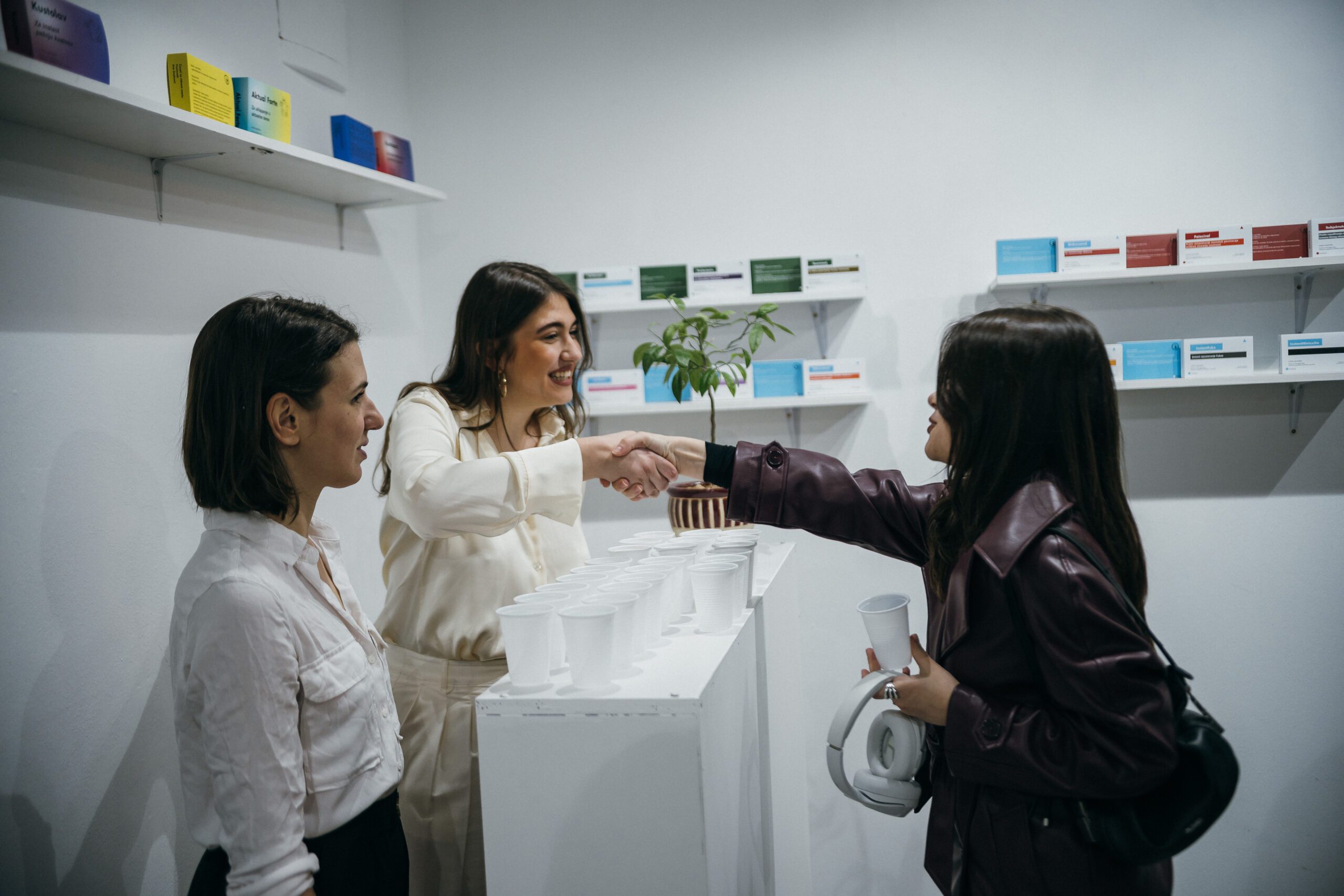
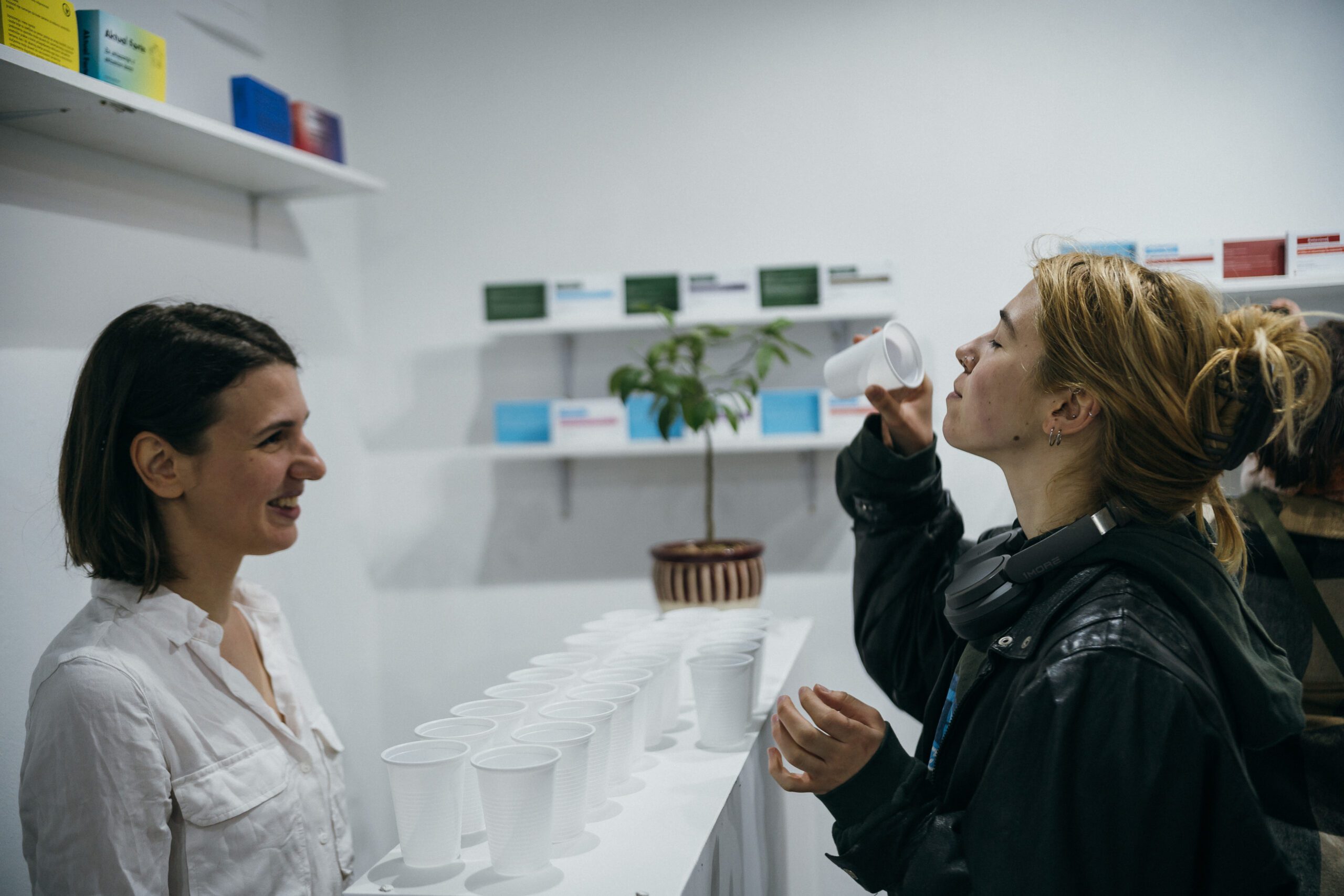
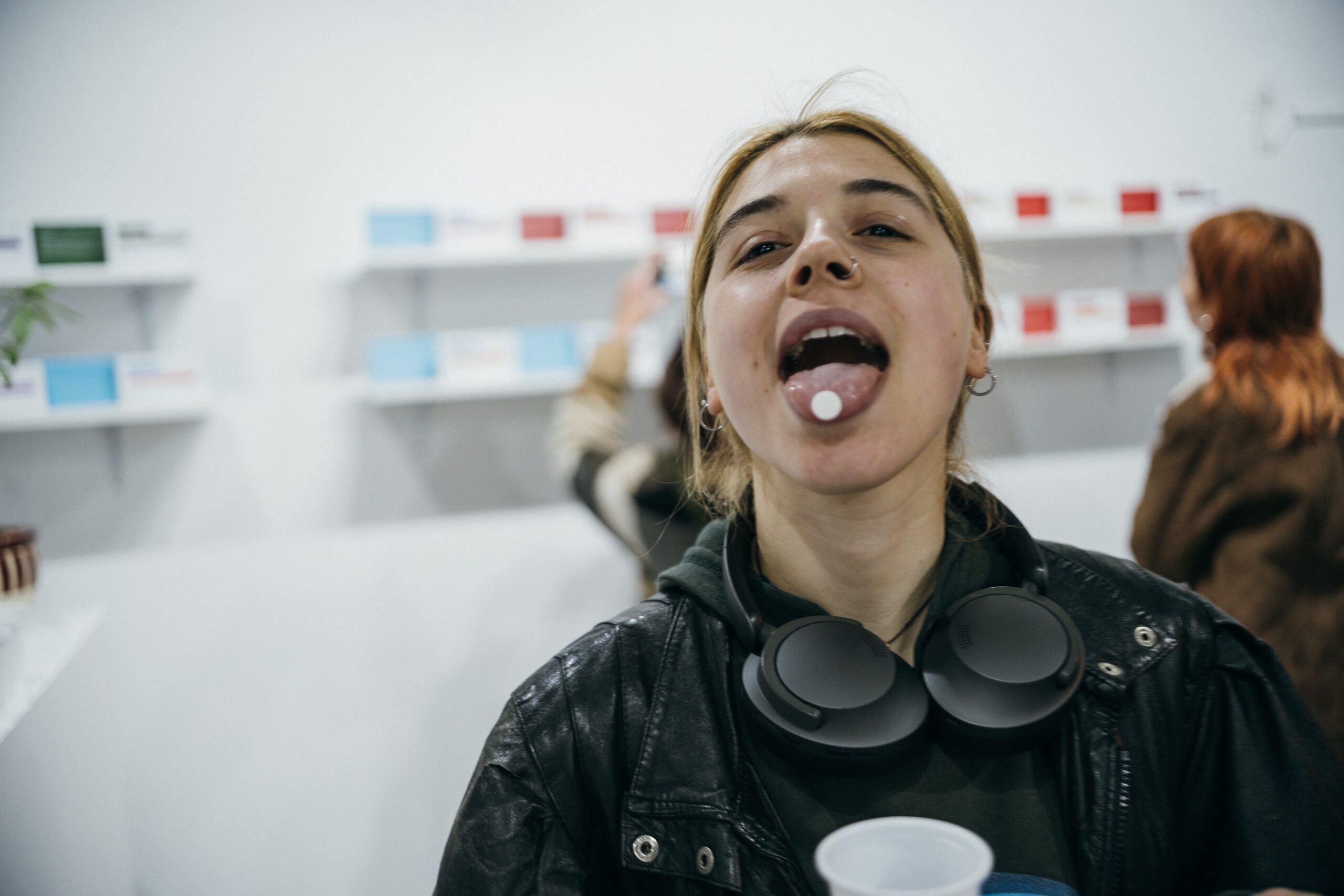
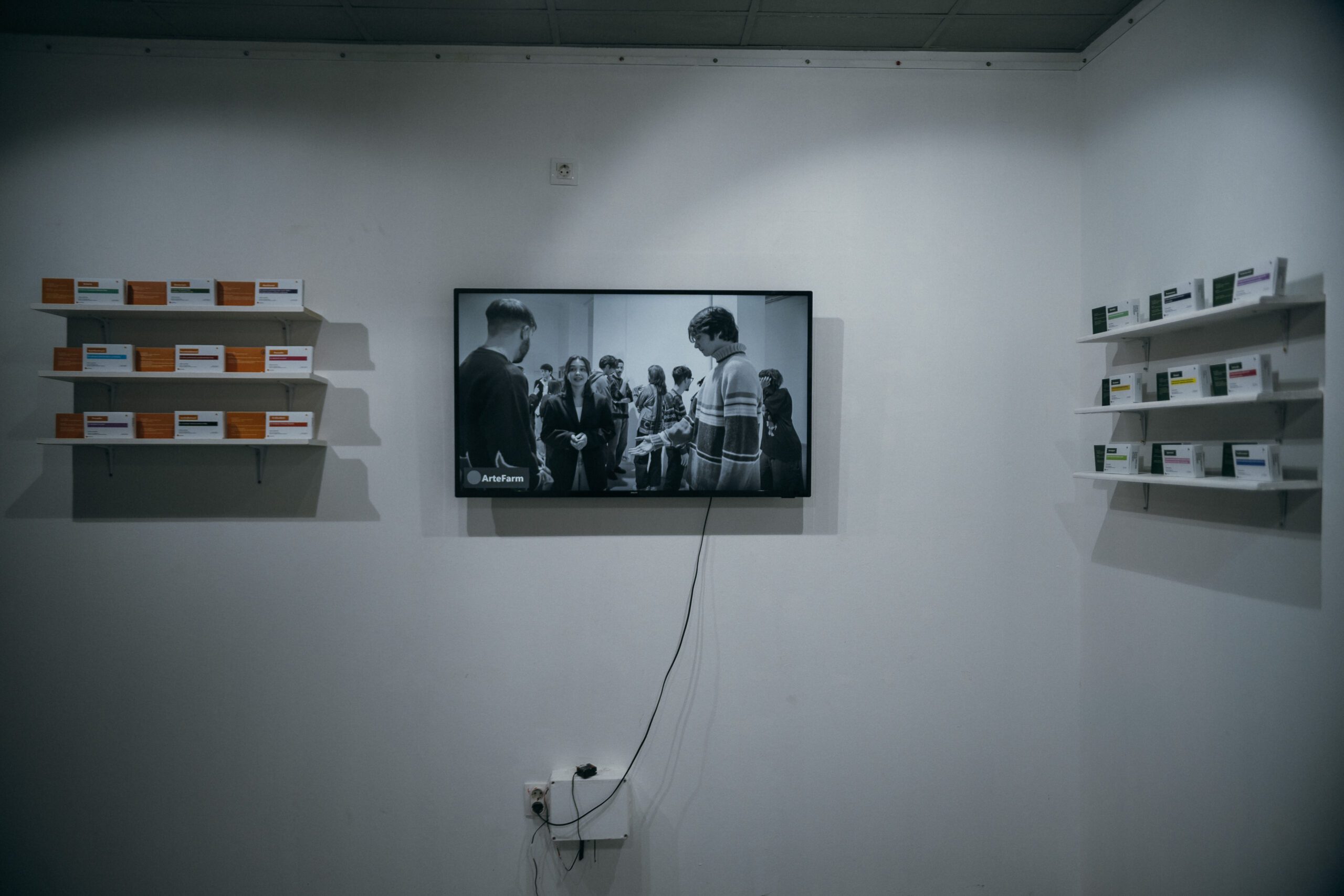
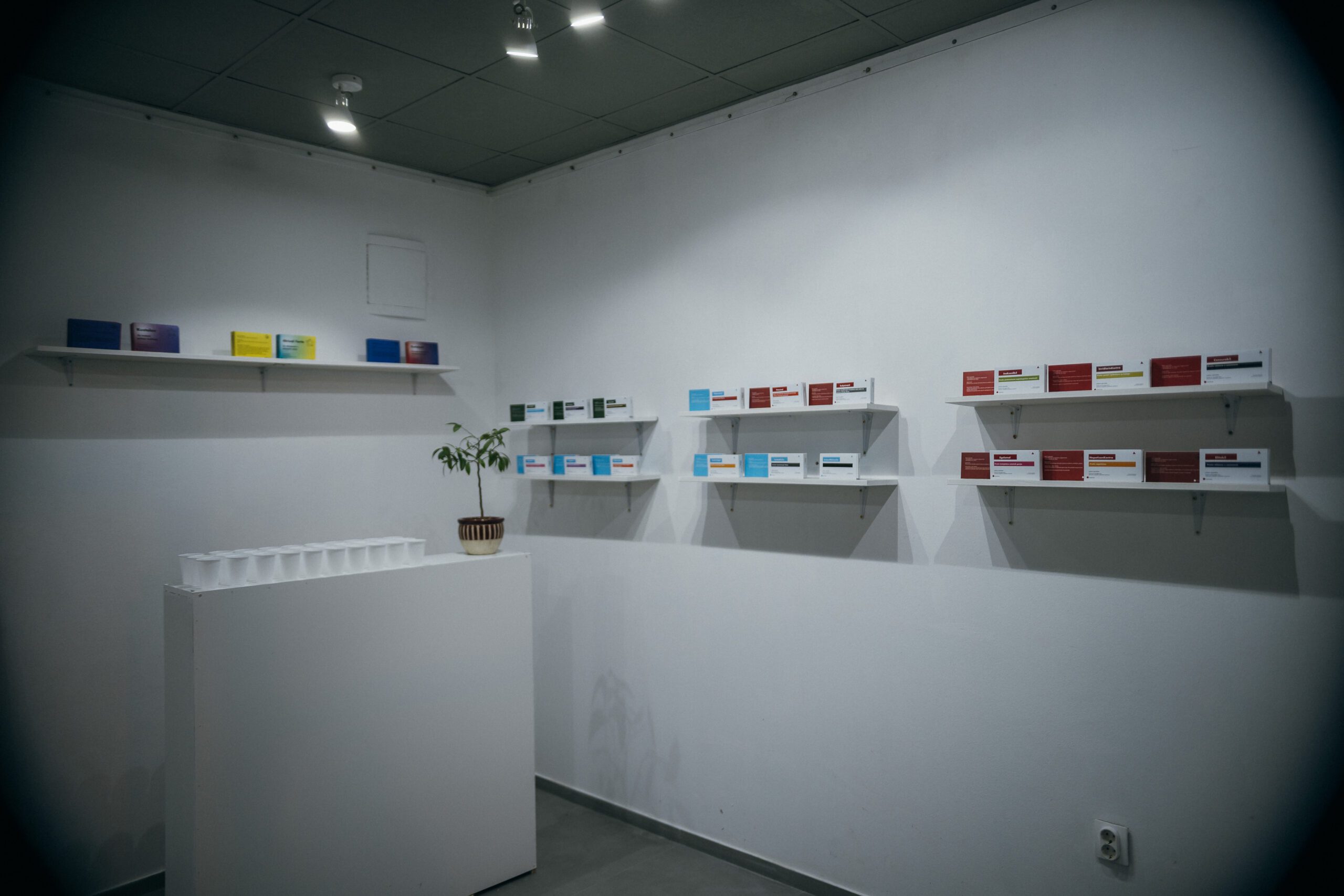
Over 40 medications
Video – an advertisement promoting these fictitious commercial products
Performance by Ana Stojković
7. Reference
“The Confession of the Flesh” (1977) interview. In Power/Knowledge Selected Interviews and Other Writings (ed. Colin Gordon), 1980: pp. 194–228.
Collin J. On social plasticity: the transformative power of pharmaceuticals on health, nature and identity. Social Health Illn. 2016 Jan;38(1):73-89. doi: 10.1111/1467-9566.12342. Epub 2015 Sep
Althusser L. Idéologie et appareils idéologique d'État (notes pour une recherche). La Pensée. 1979 : 69.
Kant, I. The Critique of Judgement. Macmillan, 1892.
Wyse, D. Jesus Had a Sister Productions. 1996. Web: https://danawyse.com/jesushadasisterproductions/ accessed: 27.11.2023. at 20:05
Hirst, D. The Complete Medicine Cabinets, exh. cat., New York, L&M Arts, 2010 (illustrated in colour, p. 178).
8. Project collaborators
This project was realized with the help of several people.
Ivan Mihailović – video commercial narration
Ivanja Todorović – the main protagonist of the video commercial
Jovana Trifljeusko – curator in the video advertisement
Aleksandar Jovanović – camera
Luka Zlatanov – camera assistant
Dimitrije Popović – production and video editing